

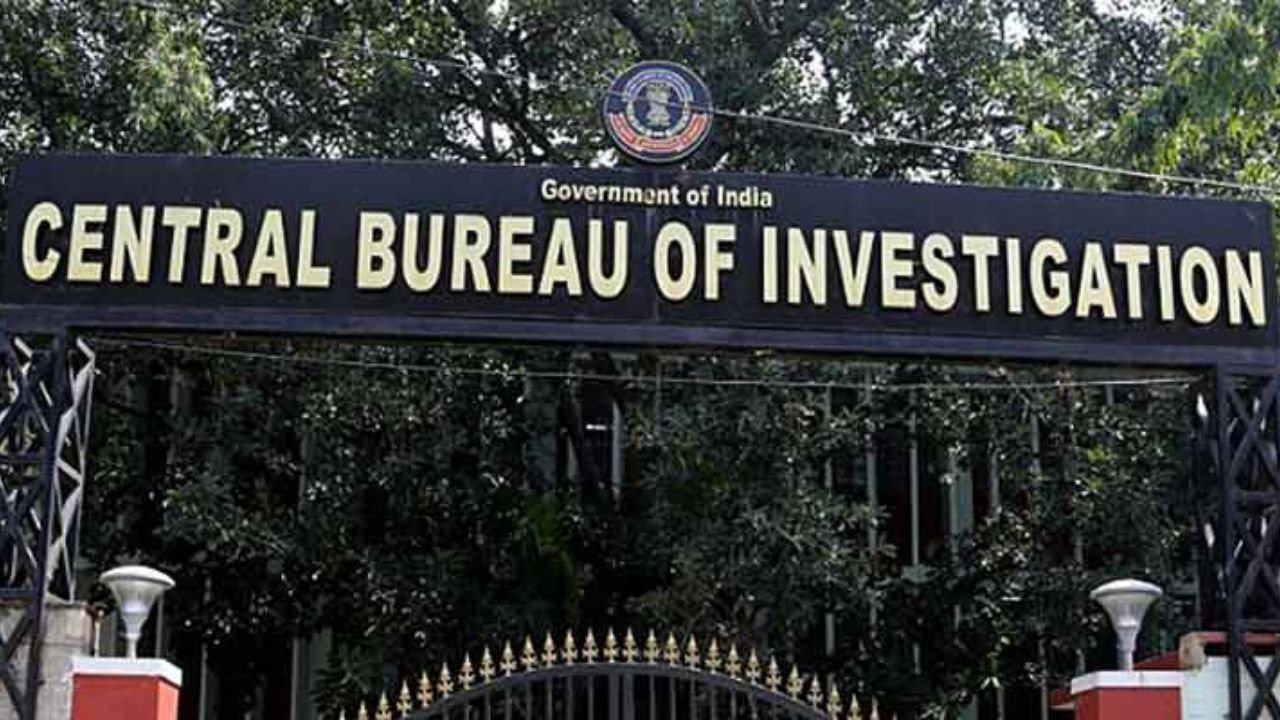

Chandigarh. A special CBI court in Chandigarh has rejected the regular bail plea of Navneet Kumar Srivastava, former chief executive officer of the Chandigarh Renewable Energy and Science & Technology Promotion Society (CREST) and an Indian Forest Service officer. The court observed that the material on record prima facie indicated his active role in the alleged diversion of government funds.
Special judge Bhawna Jain, while dismissing the bail plea, noted that the case involved alleged unauthorised transactions of around ₹205 crore from CREST accounts. Of this amount, approximately ₹130 crore has been recovered, leaving an assessed loss of around ₹75 crore, excluding interest.
FCRF Launches CP-FRM to Build India’s Next Generation of Fraud Risk Professionals
Srivastava has been in judicial custody since June 17. The CBI has accused him of alleged fraudulent banking transactions, forgery, criminal conspiracy and offences under the Prevention of Corruption Act. He was CREST’s ex-officio CEO as well as its administrative and financial head, and was one of the two authorised signatories for its bank accounts.
The court also considered the prosecution’s allegation that Srivastava approved the opening of a CREST account with IDFC First Bank on November 8, 2024, although the matter had initially been proposed for opening an account with Union Bank of India. Three days later, a demand draft of ₹5 lakh was allegedly prepared in his name from the account of CAPCO Fintech Services. According to the CBI, CREST funds were allegedly siphoned off through the company.
The demand draft was subsequently cancelled and ₹5 lakh was transferred to Vipam Consultancy, a company allegedly controlled by Srivastava’s wife. The court also noted that ₹95 lakh was subsequently transferred from CAPCO to Vipam Consultancy. Of this amount, ₹80 lakh was allegedly used to purchase land in Goa.
Srivastava had claimed that the money was actually provided as a loan. However, the court did not accept the claim, noting that no documents supporting the alleged loan or records showing repayment had been produced. The court held that the material presented by the prosecution could not be disregarded at the stage of considering bail.
The CBI has also relied on WhatsApp communications between Srivastava and alleged cash couriers as part of its case. According to the prosecution, some of the messages related to his official vehicle and residence. The investigation also allegedly found that certain chats had been deleted. The court observed that this material could not be completely ignored while deciding the bail application.
While rejecting the bail plea, the court further observed that the possibility of Srivastava influencing witnesses could not be ruled out, considering his previous administrative position and authority. The court also considered his medical and family circumstances but held that these factors did not outweigh the material available against him.
The court accordingly dismissed his first regular bail application. The CBI investigation is continuing into the alleged unauthorised transactions, the flow of funds from CREST accounts, financial links between the companies and bank accounts involved, and transactions related to the purchase of assets.
Follow for daily updates on cybercrime, corporate fraud, DFIR, hacking, investigations, and digital forensics
