

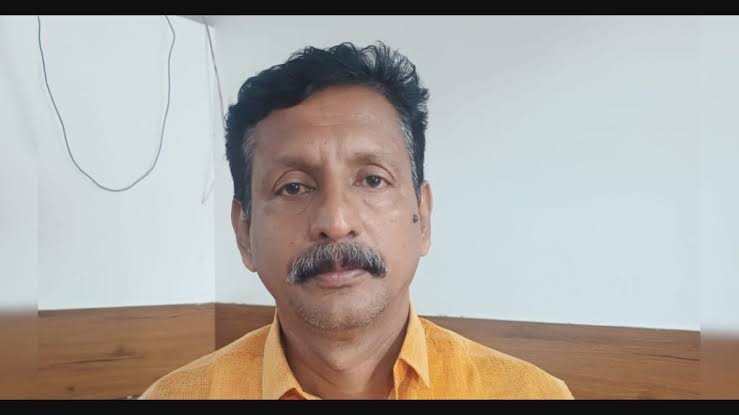
The specialized criminal investigation teams of the Kerala Police have significantly escalated their enforcement actions against insider administrative corruption, arresting the former personal assistant of a prominent former legislative member. Operating under direct authorization from regional police commanders, tracking units managed an early morning field interception in the Thrissur district to arrest Masood K. Vinod. The formal apprehension marks a decisive transition in a long-term documentation fraud inquiry, exposing how an internal staffer systematically exploited his high-level access to the state’s highest legislative office to extract unauthorized public funds from the government treasury.
Registration Begins for FutureCrime Summit 2026, India’s Largest Cybercrime Conference
The Institutional Forgery Mechanism and Systemic Allowance Extraction
The underlying operational parameters of the financial siphoning scheme relied heavily on the absolute manipulation of authentic legislative verification records. While serving as the direct personal assistant to former Nattika MLA C.C. Mukundan, the accused maintained unmonitored proximity to the legislator’s official administrative toolkits.
The rogue desk coordinator managed the state allowance drain through three continuous operational sequences:
The operator initiated the fraud by manufacturing lookalike official stamps and replicating the precise physical signature variations of the sitting lawmaker. Moving into the fabrication sequence, the assistant filled out multiple false overtime duty allowance forms, artificially inflating his operational hours and validating the unbacked claims using the counterfeit seals. The sequence reached its final stage as the handler routed these forged documents straight through the state legislative assembly’s accounting clearances, successfully tricking treasury desks into releasing a total of ₹85,400 in direct public cash disbursements before internal auditors flagged the anomalies.
The Political Watchdog Filing and Jurisdictional Case Transfers
The initial exposure of the internal treasury drain stems from an extensive documentary audit initiated by Youth Congress leader A.A. Mohammed Hashim. Armed with official Right to Information documents and comparative signature logs, the political watchdog group filed a comprehensive criminal complaint detailing the systematic leakage of public funds.
The formal legal file was originally processed by the Museum Police Station in Thiruvananthapuram, where detectives registered the baseline First Information Report after verifying the structural discrepancy in the assembly’s payroll logs. Recognizing that the primary execution of the forgery and the suspect’s operational networks were anchored deeply within central Kerala, state police commanders officially transferred the file to the Anthikkad Police Station in March 2025 to launch intensive local fieldwork and secure the necessary physical evidence arrays.
Judicial Shield Collapse and Coordinated Fugitive Tracking
The legal maneuvers protecting the former administrative assistant fell apart entirely after state prosecutors mounted a rigorous opposition during emergency bail hearings. Realizing that local police teams were preparing to execute a physical arrest warrant, Vinod approached the Kerala High Court to secure absolute anticipatory bail protections. The high court completely rejected his petition after reviewing the forensic signature reports, forcing the suspect to disable his primary electronic communication tools and abandon his local properties.
Local cyber cells and regional intelligence desks counteracted the flight by deploying advanced hardware tracking tools, continuously monitoring localized cash withdrawals and tracing the physical locations of his close associates. The multi-week digital dragnet successfully pinned the fugitive’s location to a temporary hideout, allowing tactical police units to execute a surprise 2:00 a.m. raid to take the suspect into custody before he could cross state lines.
Digital Verification Demands and Legislative Approval Overhauls
The public exposure of this high-profile assembly allowance leak has pushed senior public policy experts and national anti-corruption panels to demand an immediate upgrade to administrative approval chains. Financial crime specialists at the Future Crime Research Foundation emphasize that relying on manual signatures and physical ink stamps creates a severe vulnerability to inside forgery when managed without real-time multi-factor authentication loops.
To permanently insulate government treasuries from localized documentation manipulation and synthetic allowance claims, apex legislative boards are advising regional ministries to enforce strict zero-trust digital registries. Future safety frameworks will require the mandatory implementation of automated biometric logs and digital token-based signature verification for all legislative employee reimbursements, ensuring every single rupee disbursed from the public coffer is securely validated by the lawmaker through an authenticated network dashboard.
