

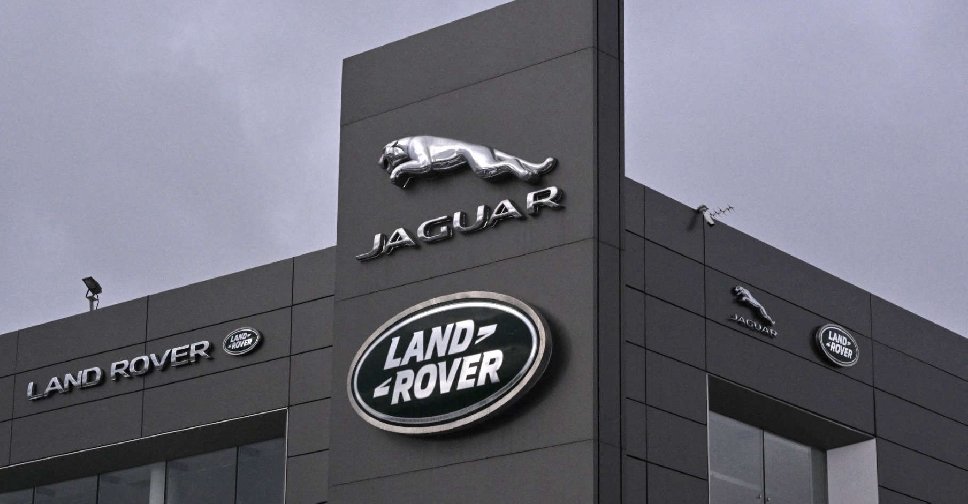

British automotive giant Jaguar Land Rover (JLR) was forced to halt global vehicle manufacturing after a catastrophic cyberattack in late August 2025, which investigators have now directly linked to sophisticated Russian hackers. The highly coordinated digital intrusion effectively paralyzed production lines across the United Kingdom, China, Brazil, India, and Slovakia for five weeks. Authorities estimate the massive disruption tore a $2.5 billion hole in the wider British economy, rendering it the most economically damaging cyber event in the nation’s history. Rather than utilizing traditional financial extortion tactics, the attackers deployed a unique and complex form of ransomware to completely lock the automaker out of its own internal networks.
Russian Involvement and the “Digital Siege”
While a loose collective of cybercriminals initially claimed responsibility for the breach on the social media platform Telegram, cybersecurity investigators from both the United States and the United Kingdom rapidly identified highly advanced, state-level methodologies. Microsoft threat intelligence teams subsequently tracked the network intrusion directly back to a Russian group, alerting Jaguar Land Rover that foreign operatives were deeply embedded inside their corporate servers. British intelligence agencies are now actively attempting to determine whether this devastating attack was executed under direct orders from the Kremlin or if it merely operated with the Russian government’s tacit approval.
The immediate operational fallout forced the automaker to disconnect internal dealer platforms and halt factory assembly lines worldwide to prevent the malicious software from spreading further. This unprecedented level of disruption prompted a severe political and economic reaction across the United Kingdom, with thousands of automotive supply chain jobs suddenly placed at severe risk. Highlighting the catastrophic nature of the digital intrusion, Member of Parliament Liam Byrne publicly described the cyberattack as a “digital siege,” warning that innocent supply chain workers were being “laid off in their hundreds” due to the prolonged factory closures.
Compromised Credentials and Network Failures
Forensic analyses of the security breach revealed that the Russian hackers did not rely on brute-force hacking, but rather exploited compromised employee credentials obtained through targeted social engineering and voice phishing campaigns. Months prior to the catastrophic September shutdown, unauthorized access to the company’s internal systems was actually sold on underground online forums. Even though Jaguar Land Rover eventually detected this initial vulnerability and attempted to patch its servers, the threat actors were already quietly waiting inside the network architecture. Security researchers noted that missing or inconsistently applied multi-factor authentication protocols effectively gave the hackers the “master key” to navigate the system undetected.
Once deeply entrenched within the corporate environment, the attackers utilized lateral movement techniques to bypass standard security monitoring and escalate their administrative privileges. Because the manufacturer’s corporate IT infrastructure was tightly integrated with its factory automation platforms, the hackers easily transitioned from stealing administrative data to sabotaging core production systems. This critical lack of internal network segmentation forced the automaker to hit the emergency brake across its entire global operations rather than isolating the compromised segments. By the time the massive data exfiltration and server encryption triggered internal alarms, the digital sabotage was already complete.
Massive Economic and Supply Chain Fallout
The extended production shutdown cost Jaguar Land Rover an estimated $50 million per week, ultimately creating a projected $350 million loss for the company in the 2026 fiscal year. However, the collateral damage rippled far beyond the automaker’s immediate balance sheet, impacting over 5,000 different organizations integrated into its complex global supply chain. The Cyber Monitoring Centre formally categorized the incident as a Category 3 systemic event, noting its profound financial and operational impact on thousands of dependent businesses and logistics providers. The Bank of England even cited the devastating cyberattack as a primary factor for slower national GDP growth during the financial quarter.
As parts suppliers and local manufacturing vendors faced sudden order cancellations, many businesses were forced to severely reduce staff pay, cut banking hours, or initiate immediate layoffs to remain financially viable. The Department for Business and Trade, alongside the Society of Motor Manufacturers and Traders, issued a joint emergency statement acknowledging the catastrophic cascading effects placed on the broader British manufacturing sector. The historic severity of this cyber incident has now catalyzed a sweeping industry-wide reassessment, forcing global manufacturers to prioritize stringent network segmentation and continuous anomaly detection to prevent future factory shutdowns.
Follow for daily updates on cybercrime, corporate fraud, DFIR, hacking, investigations, and digital forensics
