
Follow us on Google News

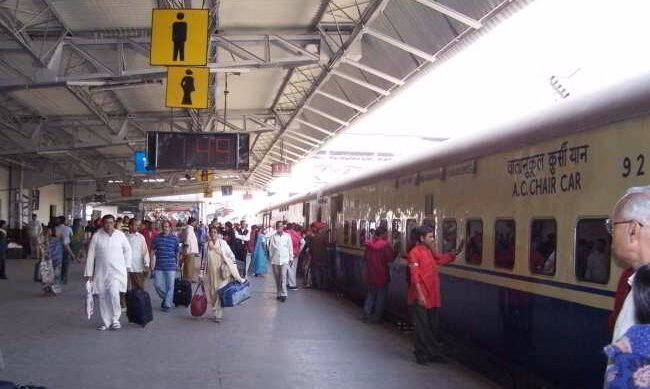
There is important news for rail passengers. Indian Railways has announced a fare rationalisation to be implemented from December 26. The move will primarily impact long-distance travel, while passengers undertaking short journeys (up to 215 km), suburban services, and Monthly Season Tickets (MST) will continue to get relief. According to the Railways, fares in the ordinary class will increase by 1 paisa per kilometre beyond 215 km, while mail–express and AC categories will see a hike of 2 paise per kilometre.
The Railways said the increase is limited and reasonable, aimed at balancing rising operational costs, human resource expenditure, and investments in safety.
https://the420.in/fcrf-certified-grc-professional-program-governance-risk-compliance-training-india/
Category-wise fare increase
As per details issued by the Railways:
- Ordinary class (beyond 215 km): 1 paisa per kilometre
- Mail–Express (Non-AC): 2 paise per kilometre
- AC coaches (all categories): 2 paise per kilometre
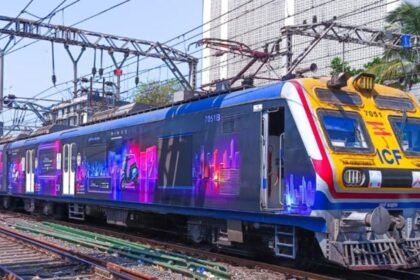
It has been clarified that suburban trains and MST fares remain unchanged to avoid burdening daily commuters.
How much more for Patna–Delhi travel
The distance between Patna and Delhi is roughly 1,000 kilometres. Under the revised structure:
- Travelling by Jan Sadharan/ordinary express will cost about ₹10 more.
- Journeys on Sampoorna Kranti, Rajdhani, and Vande Bharat—classified under mail–express/AC services—will be costlier by around ₹20.
The Railways maintains that the increase is nominal and will have a limited impact on the overall ticket price.
When were fares last increased
Earlier, fares for long-distance trains were also revised from July 1. At that time:
- Mail–Express fares were increased by 1 paisa per kilometre, and
- AC categories saw a hike of 2 paise per kilometre.
Taken together, this amounts to an adjustment of about 2–3 paise per kilometre within a year.
Railways’ rationale: Rising costs, need for rationalisation
Railway officials said that over the past decade there has been significant investment in network expansion, introduction of new trains, and strengthening safety standards.
- Human resource cost: around ₹1.15 lakh crore
- Pension expenditure: about ₹60,000 crore
- Total operating cost (2024–25): approximately ₹2.63 lakh crore
To manage these rising costs, the Railways is focusing on freight growth along with limited rationalisation of passenger fares.
Additional revenue and operational strength
The Railways estimates that the fare rationalisation will generate around ₹600 crore in additional revenue during the current financial year. Officials claim that improved operations and safety measures have helped India become the world’s second-largest freight-carrying railway. The successful operation of over 12,000 special trains during the festive season is cited as evidence of this capacity.
What it means for passengers
Experts say that by protecting short-distance and daily commuters, the Railways has attempted to maintain social balance, while keeping the impact on long-distance travellers limited. However, repeated increases may continue to test the sensitivity of budget travellers.
The fare hike effective from December 26 is targeted and modest. While safety, network expansion and operational stability remain the Railways’ priorities, relief for short-distance travel has been retained. On long routes such as Patna–Delhi, fares will rise—but the increase is expected to remain nominal.