

India has begun examining professions that are less vulnerable to artificial intelligence (AI), as concerns grow over the technology’s impact on employment. Commerce and Industry Minister Piyush Goyal said he had directed his ministry to identify sectors where AI could improve productivity without necessarily replacing workers.
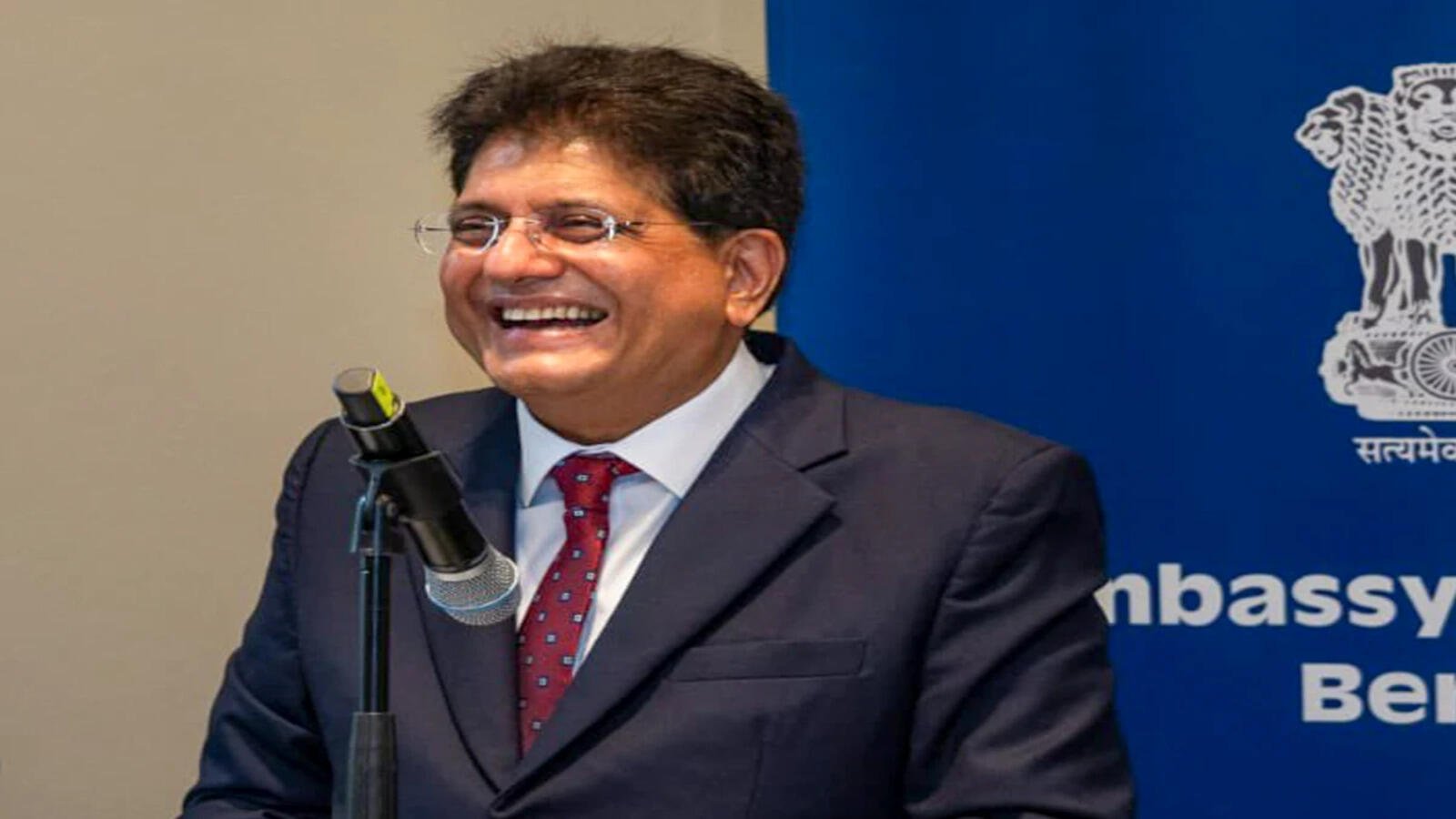
Speaking to Indian students and researchers during an interaction in Berlin, Germany, Goyal highlighted India’s traditional strengths in handicrafts, handlooms, tourism and culinary skills as potential sources of employment in an AI-driven economy.
FCRF’s Chief AI Officer Certification Returns on November 14 to Prepare Future AI Leaders
What Are AI-Proof Jobs?
Goyal described AI-proof professions as occupations that are less likely to be displaced by artificial intelligence. He said the government needed to identify industries where technology could improve efficiency while preserving employment opportunities.
The initiative comes as India prepares for changes in the employment landscape driven by AI and automation.
Which Sectors Could Remain Resilient?
Goyal identified handlooms, handicrafts, tourism and culinary arts as sectors where India possesses significant competitive advantages.
These industries depend heavily on craftsmanship, creativity, cultural knowledge and human interaction, making them relatively less vulnerable to technological replacement.
He said developing these traditional strengths could help create employment opportunities for India’s large workforce.
How Will India Develop These Industries?
The minister indicated that efforts to strengthen AI-resilient sectors would involve both public and private participation. He said initiatives could be government-led, privately driven or developed through community participation.
The broader objective would be to transform India’s traditional capabilities into sustainable businesses and employment opportunities.
Can AI Improve Jobs Without Replacing Workers?
Goyal emphasised the importance of identifying industries where artificial intelligence could enhance productivity rather than eliminate human involvement.
He said India needed to plan for millions of people entering the workforce while adapting to technological changes. The proposed exercise aims to identify occupations where human skills remain essential despite increasing automation.
How Will India Attract Global Researchers?
During the Berlin interaction, Goyal also discussed opportunities to encourage Indian scientists, engineers and researchers working overseas to return home.
He invited students and researchers to identify the facilities, resources and professional opportunities needed to support their return.
The minister acknowledged that attracting scientific talent required more than competitive salaries, highlighting research infrastructure, institutional support and opportunities to commercialise innovations.
What Is the Next Step?
Goyal said he would engage academic institutions, research organisations and industry leaders to strengthen collaboration and create opportunities for India’s scientific community.
The discussions also focused on converting research ideas into commercially viable products and businesses.
What Does This Mean?
India’s proposed focus on AI-resilient professions reflects an effort to balance technological advancement with employment protection. Identifying sectors where human expertise remains valuable, while strengthening research and innovation, could help the country prepare its workforce for an increasingly AI-driven economy.
Follow for daily updates on cybercrime, corporate fraud, DFIR, hacking, investigations, and digital forensics
