

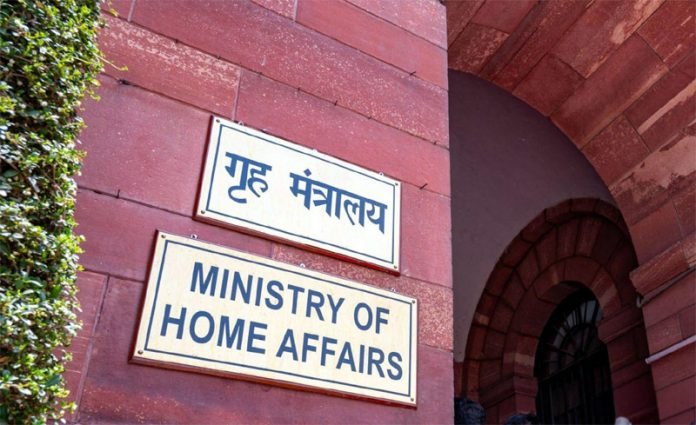

India has successfully brought back 274 fugitive criminals from 36 countries between 2019 and July 2026, marking a ten-fold increase in annual returns compared to historical extradition rates. According to comprehensive data released by the Ministry of Home Affairs (MHA), the surge in repatriations is the direct result of making fugitive extraditions a core national priority anchored by a three-pronged strategy: global outreach, robust inter-agency coordination, and smart diplomacy.
The MHA highlighted that prior to 2014, India maintained extradition treaties with only 37 nations and secured an average of just four extraditions annually. Under the modernized operational model, annual repatriations grew steadily from nine in 2019 and seven in 2020 to 23 in 2021, 40 in 2022, 37 in 2023, 43 in 2024, a peak of 70 in 2025, and 45 in the first seven months of 2026 alone.
Comprehensive Categorization of Extradited Offenders
The repatriated fugitives span a wide spectrum of serious criminal charges, reflecting an intensive national campaign targeting threats to public safety, economic integrity, and national security. Among the 274 individuals brought back to face trial in Indian courts, 62 were wanted in connection with murder, armed robbery, and violent crimes, while 53 were accused of sexual offences, rape, and violations under the Protection of Children from Sexual Offences (POCSO) Act.
In addition, 42 fugitives were involved in organized crime, extortion networks, and gangster activities, 18 faced charges related to human trafficking, and 17 were linked to terrorism, pro-Khalistan extremism, and narco-terror networks. The remaining repatriations involved 16 drug trafficking offenders, 12 accused of smuggling and counterfeit currency operations, nine financial fraudsters, and 45 involved in other major criminal cases.
Institutional Tech Upgrades: Operation Trishul and BHARATPOL
To overcome identity concealment and cross-border jurisdictional hurdles, Indian law enforcement agencies developed an integrated, intelligence-led, and technology-driven model. Through Operation Trishul, agencies utilized satellite intelligence, digital footprint mapping, and surveillance analytics to geo-locate fugitives living abroad under fake identities. Furthermore, the launch of BHARATPOL connected over 1,400 state and central police agencies directly with INTERPOL, cutting international information-sharing turnaround times down to 3–10 days.
“Fugitives operating from abroad are not dormant case files—they represent live operational threats that require sustained, coordinated, and proactive action.” — Ministry of Home Affairs Statement
The issuance of INTERPOL Red Corner Notices (RCN) also escalated sharply, rising from 40 in 2022 to 100 in 2023, 107 in 2024, 112 in 2025, and 182 in 2026 so far—totaling over 401 RCNs in the last three years. Institutional frameworks were further fortified with the establishment of a Standing Focus Group under the Intelligence Bureau’s Multi-Agency Centre (MAC) to standardize extradition dossiers and streamline coordination between the CBI, IB, R&AW, NIA, ED, and MEA.
Legal Reforms and Financial Asset Recovery
Alongside physical repatriations, the government enforced rigorous statutory measures to strip economic fugitives of their financial leverage. Through the stringent application of the Prevention of Money Laundering Act (PMLA), authorities attached assets worth ₹17,874 crore belonging to fugitive offenders between 2019 and 2026. Additionally, financial restitution amounting to ₹18,762 crore was successfully returned in cases involving Fugitive Economic Offenders.
The legal architecture has been strengthened by the enactment of the Fugitive Economic Offenders Act (2018), amendments to the NIA and UAPA Acts (2019), and provisions under Sections 355 and 356 of the Bharatiya Nagarik Suraksha Sanhita (BNSS), which allow trials in absentia for absconders evading justice abroad.
Follow for daily updates on cybercrime, corporate fraud, DFIR, hacking, investigations, and digital forensics
