
Follow us on Google News

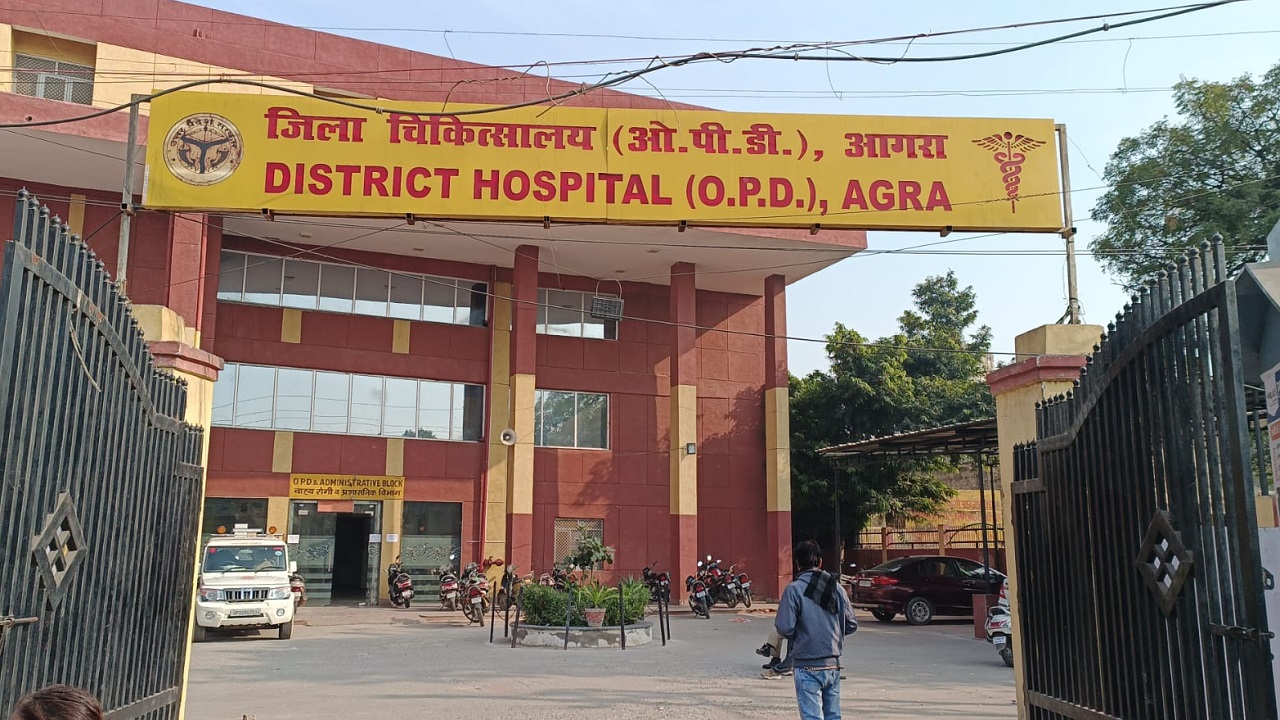
Agra: The health department in Agra has halted the use of substandard Promethazine injections meant for government hospitals and returned 4,880 vials to the Uttar Pradesh Medical Supplies Corporation Limited (UPMSCL). Laboratory tests conducted across three different facilities confirmed that the active medication in the samples fell below prescribed standards. The consignment had arrived at the health department’s central warehouse for distribution to major public healthcare facilities, including the District Hospital, Lady Lyall Hospital, and Community Health Centres.
As part of an ongoing drive to verify the quality of medicines supplied to government hospitals, a drug department team collected samples from the central warehouse last month. Out of a total stock of 5,000 Promethazine vials delivered to the warehouse, 120 injections were drawn for testing. These samples were sent to three separate laboratories on a priority basis to evaluate their composition and compliance with regulatory norms.
Three Laboratories Flag Substandard Quality
Reports received from all three laboratories indicated that the injection samples failed to meet required quality benchmarks. According to the findings, the concentration of the active pharmaceutical ingredient was lower than the mandated level, placing the batch in the substandard category under drug quality regulations. Following the submission of the test reports, senior authorities ordered an immediate ban on administering the injections to patients and directed the return of the entire remaining stock.
Agra Chief Medical Officer Dr. Arun Srivastava confirmed that the Promethazine injection samples were found to be substandard during testing. He stated that the remaining 4,880 vials stored at the central warehouse were promptly returned to UPMSCL. The swift action was taken to ensure that the compromised injections did not reach hospital wards or affect patient care across the district.
Clinical Impact on Patient Treatment
Promethazine is widely used in medical settings to manage severe allergies, nausea, and vomiting. In injectable form, doctors also administer it as a local anesthesia dose during minor surgeries, as well as to reduce anxiety, calm the mind, and induce sleep prior to surgical procedures. Because the drug plays a direct role in stabilizing patients before and during treatment, any compromise in its potency poses clinical concerns.
Medical guidelines emphasize that if an injection contains less than the required amount of active medication, it may fail to deliver the intended therapeutic effect. Patients might not receive adequate relief during emergencies or surgical interventions, forcing doctors to alter treatment protocols mid-procedure. The returned consignment was scheduled for dispatch to Lady Lyall Hospital, the District Hospital, and several Community Health Centres, making the timely interception at the warehouse level critical for public safety.
Recurring Concerns Over Medicine Quality
This incident is not the first time drug quality issues have surfaced in the district. According to Assistant Commissioner of Drugs Arvind Gupta, 45 medicine samples collected from various medical stores during the previous year also failed laboratory tests. Those rejected batches included essential drugs used to treat bacterial infections, allergies, and viral illnesses, which were found to be either spurious or substandard.
In those earlier cases, authorities prohibited the sale of the failed medicines, initiated legal proceedings against the concerned sellers and manufacturing companies, and forwarded detailed reports to the state government. The return of the 4,880 Promethazine vials in the current case has once again brought the quality monitoring and accountability mechanisms of the public health supply chain into sharp focus.