
Follow us on Google News

SAN FRANCISCO: American server manufacturer Super Micro Computer has stated that controversial Singapore-based firm Megaspeed has never been its customer. The statement comes amid escalating investigations into an alleged network funneling restricted technology and Nvidia chips to China, involving Megaspeed and its former senior executive, Alice Huang, who has been linked to former Nvidia chief Jensen Huang.
A spokesperson for Super Micro clarified that Megaspeed is neither a current customer nor has it ever done business with the company. Super Micro asserted that it has responded to inquiries from American and Taiwanese authorities and has offered full cooperation. Additionally, the company stated that it voluntarily provided information upon request from Singaporean officials and has acted on every inquiry received so far.
This clarification follows disclosures from Singapore’s Ministry of Home Affairs regarding investigations into Megaspeed and Alice Huang. According to the ministry, Singapore police and customs authorities have launched probes into matters connected to both parties and had requested information from Super Micro. However, the ministry had previously alleged that it received only limited cooperation from the server maker. Singaporean authorities noted that the issue of Super Micro’s cooperation was first raised with US officials on July 7, 2025, leading to subsequent discussions with the US Department of Justice and the Federal Bureau of Investigation.
Scrutiny Over Alleged Espionage and US Probes
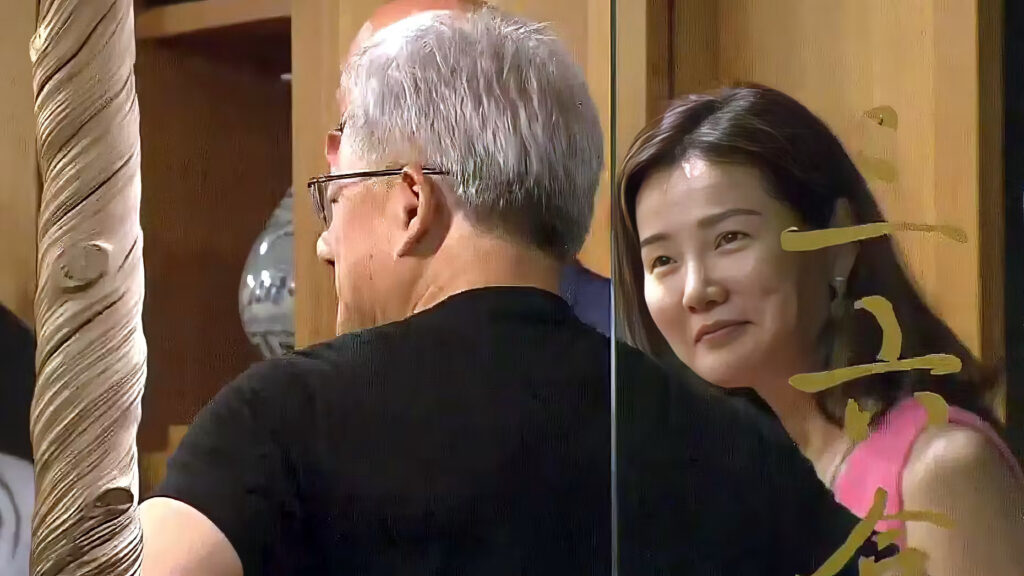
Alice Huang has drawn particular attention in the controversy. Following reports of an alleged personal relationship between the former Megaspeed executive and former Nvidia chief Jensen Huang, who shares no familial relation with her, the case has taken on greater urgency. Some officials suspect she may have been involved in espionage activities for China, though investigations remain ongoing and the allegations have not been independently verified.
Simultaneously, the US Attorney’s Office in New York is reportedly investigating whether companies or business entities linked to Alice Huang played a role in shipping Super Micro servers equipped with Nvidia graphics processing units to China. Authorities are examining potential violations of export control regulations. Neither Jensen Huang, Nvidia, nor Super Micro has been charged with any wrongdoing in this matter.
Co-founder Arrest Adds to Legal Pressures
Super Micro is already under scrutiny in a separate case involving the alleged smuggling of advanced Nvidia AI chips to China. In March 2026, Yih-Shyan “Wally” Liaw, one of Super Micro’s three co-founders, was arrested alongside two other individuals. They stand accused of conspiring to ship servers worth approximately $2.5 billion, equipped with Nvidia H200 and B200 chips, to China through a shell company in Southeast Asia.
Liaw has pleaded not guilty to the charges, and his trial has been postponed until March 2027. Meanwhile, a co-defendant in the case, Ting-Wei “Willy” Sun, pleaded guilty in October 2026. Super Micro has maintained that it was a victim of the alleged conspiracy, citing an internal investigation that found no evidence current members of senior management were aware of the scheme. Despite this defense, the controversy weighed on the company’s stock, which fell by roughly four percent this week.
Taiwan Indictments and Compliance Claims
In another separate incident in August 2026, prosecutors in Keelung, Taiwan, filed charges against nine individuals over the shipment of 130 Super Micro servers powered by Nvidia B300 chips using falsified data center inspection records. Investigators found that 74 of those servers reached China while customs officials intercepted the rest. The accused include two former employees of Super Micro Taiwan and one former employee of Nvidia Taiwan, facing charges of breach of trust and document forgery, as unauthorized chip shipments to China are not currently a standalone criminal offense in Taiwan.
Addressing the mounting regulatory inquiries, Super Micro stated that it maintains robust systems to ensure compliance with export control laws and works closely with government agencies and industry partners to prevent the illegal diversion of technology. The company has previously disclosed receiving grand jury subpoenas and inquiries from the US Securities and Exchange Commission, the Commerce Department’s Bureau of Industry and Security, and foreign agencies, keeping its business relationships firmly in the regulatory spotlight.