
Follow us on Google News

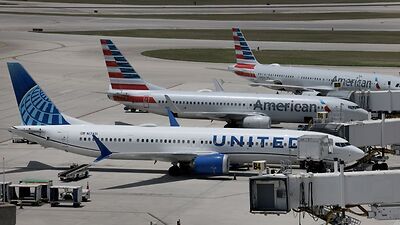
A severe technical failure in the United States air traffic control network disrupted aviation operations across the country, prompting the Federal Aviation Administration to enforce a nationwide ground stop. The outage affected more than 15,000 flights, causing widespread delays and forcing airlines to cancel over 2,000 services. At the time the disruption began, more than 3,500 aircraft were operating in US airspace, all of which were landed safely under established safety protocols. Preliminary investigations have found no evidence of a cyberattack or rogue artificial intelligence behind the breakdown. According to officials, the crisis was primarily triggered by excessive data pressure on outdated telecommunications equipment within the network. The incident has highlighted the technical limitations of aging US aviation infrastructure, prompting Transportation Secretary Sean Duffy to request an additional 50 billion dollars from Congress for a complete system modernization.
Technical Breakdown and Initial Findings
Transportation Secretary Sean Duffy stated that the technical issue began around 3:36 p.m. Eastern Time on Friday, when radar and communication data feeding into air traffic control centers and terminal radar approach control facilities became unstable. In response, the FAA implemented a nationwide ground stop, instructing airlines to halt departures from affected airports. Because radar and communication systems did not shut down entirely, pilots and controllers coordinated safely to bring airborne planes to the ground, while medical emergency and law enforcement flights were permitted to continue operating. Homeland Security Secretary Markwayne Mullin confirmed that initial inquiries revealed no signs of suspicious online activity, unauthorized intrusion, or claims of responsibility from any group. He also clarified that the disruption was unrelated to any Microsoft technical glitch or outage, though officials have not completely ruled out any possibility until the investigation concludes.
Strain on Aging Analog Infrastructure
Officials attributed the instability to legacy analog equipment, particularly older switches and routers, failing to handle a sudden surge in data load. Duffy noted that the problem was not caused by any recent FAA software patch or technical modification. While the older analog infrastructure faltered under the strain, upgraded digital equipment and new Internet Protocol switches installed during the Trump administration continued to function normally. However, during official briefings, authorities could not yet confirm what caused the sudden spike in data pressure on the legacy hardware. Duffy emphasized that investigators are examining every aspect of the event and want to avoid releasing inaccurate information before reaching a definitive conclusion.
Ongoing Flight Delays and Modernization Push
Authorities took technical measures to relieve network pressure and restore affected facilities, allowing the FAA Command Center to lift the nationwide ground stop at 8:19 p.m. Eastern Standard Time on Friday. Despite the resumption of operations, normal flight schedules could not be restored immediately. Flight-tracking platform FlightAware reported around 15,000 total disruptions, with more than 2,000 cancellations extending into Saturday. Airlines, including Air India, issued travel advisories urging passengers to verify their flight status before heading to airports, as crew scheduling challenges slowed recovery efforts. To prevent future breakdowns, Duffy requested 50 billion dollars in additional congressional funding, noting that the previously approved 12.5 billion dollars is insufficient to overhaul the multi-tiered network of airport towers, terminal radar facilities, and en-route centers before the busy Thanksgiving travel season.