
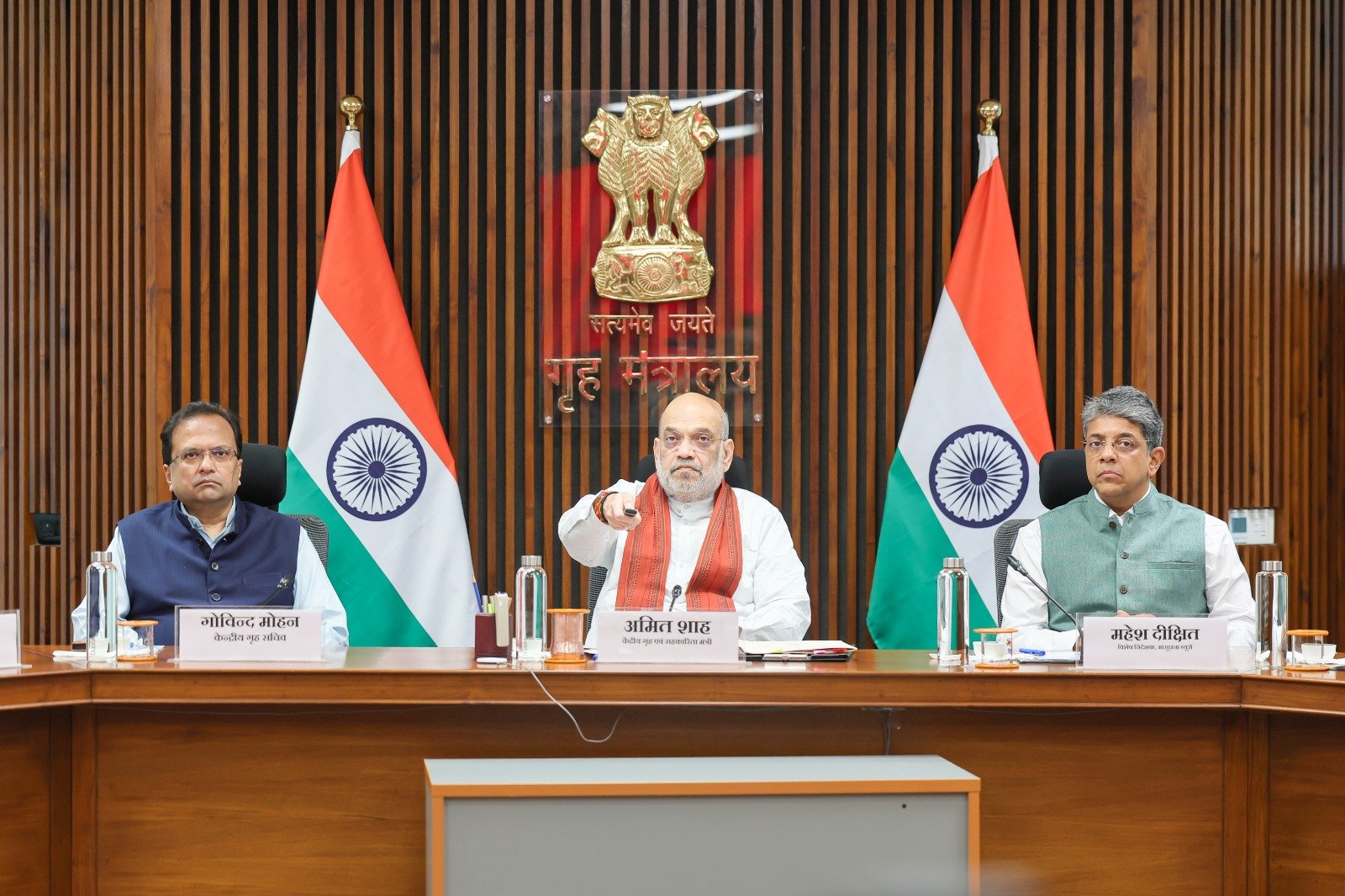

The Ministry of Home Affairs has introduced two major digital governance platforms designed to modernize regulatory frameworks and enhance public service delivery. The dual launch of the upgraded FCRA 2.0 Portal and the digital e-OCI Card aims to replace legacy paper-based administrative systems with faster, cloud-hosted architectures.
Union Home Minister Amit Shah unveiled the initiatives, framing them as a structural shift toward technology-driven governance and institutional transparency. The platforms leverage advanced database integrations to simplify compliance for law-abiding entities while establishing robust, real-time oversight mechanisms against the misuse of regulatory systems.
Modernizing Oversight and Cloud Integration
The newly deployed Foreign Contribution (Regulation) Act (FCRA) 2.0 Portal addresses the growing administrative demands of monitoring foreign funds within the country. India currently manages nearly 14,500 active FCRA-registered organizations, processing up to 20,000 applications for registrations and renewals alongside 17,000 annual returns every year. The upgraded architecture migrates these workflows away from conventional manual record-keeping to drastically reduce processing delays and eliminate administrative bottlenecks.
To guarantee verification precision, the portal is hosted on the government’s MeghRaj cloud infrastructure and integrated directly with core national databases. The platform links seamlessly with the Permanent Account Number (PAN), Aadhaar identity verification systems, NGO Darpan, the Unique Document Identification Number (UDIN), and central banking networks. This interconnected digital ecosystem allows regulatory authorities to conduct instantaneous data cross-referencing and maintain real-time visibility over incoming foreign capital.
Eliminating Paperwork via Advanced Technical Features
The structural update introduces a completely paperless workflow for statutory processes, including fresh registrations, renewal applications, and the mandatory filing of annual returns. The system incorporates electronic signatures, biometric authentication protocols, and Optical Character Recognition (OCR) technologies to automate routine document processing. These integrated tools minimize the manual compliance burden on organizations while ensuring data accuracy across all regulatory submissions.
The Home Ministry plans to further scale the platform’s capabilities over the coming months by deploying specialized artificial intelligence features. Upcoming updates will introduce an AI-powered interactive chatbot to assist users with compliance queries, a dedicated mobile application for remote access, and a specialized online dashboard for banking institutions. This financial dashboard will allow commercial banks to coordinate directly with federal watchdogs, establishing a unified defense against unauthorized financial routing.
Digitizing Services for Global Overseas Citizens
Alongside the regulatory funding portal, the government launched the e-OCI Card system to completely revolutionize documentation management for the global diaspora. The digital transformation initiative is set to benefit more than 5 million Overseas Citizen of India (OCI) cardholders worldwide by migrating physical operations into a virtual framework. The upgrade fundamentally optimizes how international citizens interact with consular services by removing repetitive physical verification steps.
Under the revised operational guidelines, cardholders face significantly fewer procedural hurdles when updating their official status over time. OCI users will no longer be legally required to apply for a fresh physical booklet upon receiving a new passport after reaching 20 years of age. This policy adjustment eliminates a long-standing administrative grievance, providing a streamlined, citizen-friendly digital interface that maintains security without requiring continuous re-issuance of paper documents.
Follow for daily updates on cybercrime, corporate fraud, DFIR, hacking, investigations, and digital forensics
