
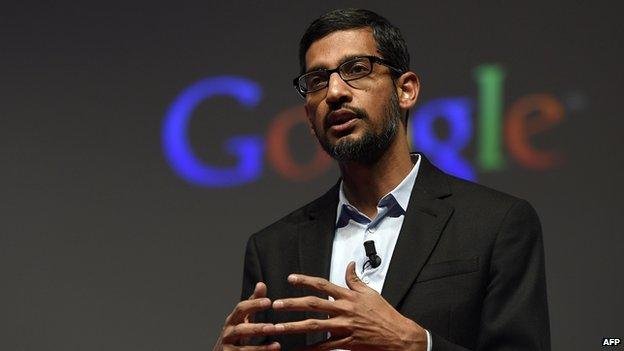
Washington. Global tech giant Google has withdrawn from a major US defense drone competition, triggering fresh debate across the technology and defense sectors. After participating in the initiative for nearly two months, the company stepped away from the $100 million (approximately ₹952 crore) Pentagon-backed project. The move comes at a time when internal opposition within the company over the military use of artificial intelligence has been growing.
Google Withdraws From Pentagon Drone Contest
The competition is part of an advanced program run by the US defense establishment, aimed at developing voice-controlled, autonomous drone swarms. Under this system, battlefield commanders would be able to issue verbal commands—such as “left” or “target”—which would be instantly converted into real-time digital instructions for drones. The project is being carried out in collaboration with the Pentagon.
According to reports, Google submitted a proposal and was selected in the competition’s initial phase. However, on February 11, the company formally informed the Defense Department that it would not proceed further. While Google officially cited “resourcing constraints” as the reason, sources indicate that the decision followed an internal ethics review.
FCRF Academy Launches Premier Anti-Money Laundering Certification Program
Employee Dissent Raises Pressure Over Military AI
A key dimension of the development is the rising dissent within the company. Recently, more than 600 Google employees—including senior executives and members of its AI research teams—signed an open letter urging leadership to refrain from engaging in military-related projects. The employees expressed concern that such technologies could be used in ways that are “inhumane or extremely harmful.”
Sources suggest that while some employees involved in the project were disappointed by the withdrawal, believing that Google should remain at the forefront of cutting-edge innovation, a significant section of the workforce raised ethical questions about the militarisation of AI technologies.
Ethics Review Shapes Company’s Decision
The decision also comes at a time when Google is reportedly engaged in a broader AI agreement with the US Department of Defense. Under this arrangement, the Pentagon is said to have access to Google’s Gemini AI models for “any lawful government purpose.” Notably, the agreement does not grant Google oversight on how the government ultimately deploys these technologies.
Google’s stance contrasts with that of several other AI companies. For instance, Anthropic has previously refused to relax safety guardrails around autonomous weapons and surveillance systems, a move that reportedly affected its standing in government contracting. Meanwhile, OpenAI and Palantir remain active participants in the competition.
Defense AI Debate Intensifies Across Tech Sector
Experts believe that Google’s withdrawal is more than just an exit from a single project—it signals a broader ethical and strategic shift within the tech industry. As AI continues to evolve rapidly, questions are intensifying around whether companies should allow their technologies to be used for military purposes.
In its official statement, Google maintained that it evaluates hundreds of government opportunities each year and focuses on projects where its technologies can be most effective. However, the company did not elaborate on the specific concerns raised during its internal ethics review.
The development has reignited a larger debate about the future trajectory of artificial intelligence—whether it will remain primarily focused on civilian applications or increasingly become integrated into defense and warfare systems. For now, Google’s decision underscores the complex challenge of balancing innovation, ethics, and national security priorities in an era of rapidly advancing technology.
