

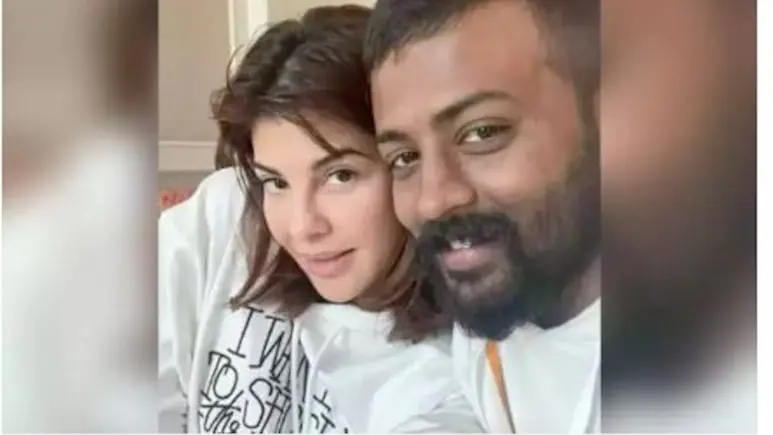
A Delhi court has ordered the framing of charges against actor Jacqueline Fernandez, alleged conman Sukesh Chandrashekhar and 15 others in a Rs 200 crore money laundering case, holding that there is sufficient material on record to raise a strong suspicion against all the accused.
Additional Sessions Judge Prashant Sharma said the accused would have to be charged with the offence of money laundering under Section 3 of the Prevention of Money Laundering Act, punishable under Section 4 of the law. The order marks a significant stage in the long running prosecution linked to allegations that proceeds of crime were generated through extortion, impersonation and intimidation, and later routed through various channels to disguise their origin.
Court Order and Charges Under PMLA
The court’s order came in the case involving Sukesh Chandrashekhar, Jacqueline Fernandez and several others named by the prosecution. The judge said a prima facie case existed and that the material placed before the court was sufficient to frame charges against all accused persons.
According to the prosecution, Chandrashekhar was running an organised criminal network from inside jail and was impersonating senior government officials, including officers from the Prime Minister’s Office, the Ministry of Home Affairs and the Ministry of Law and Justice. It is alleged that through spoofed calls, encrypted applications and fabricated identities, complainant Aditi Singh and her family members were induced to part with huge sums of money.
The prosecution further alleged that proceeds of crime exceeding Rs 200 crore were generated through extortion, cheating, impersonation and criminal intimidation, and were then concealed, possessed, transferred, layered and projected as untainted property with the help of associates.
FCRF’s Flagship Cyber Law Certification Returns With a New Four-Week Cohort
ED Alleges Route of Funds and Digital Evidence
The Enforcement Directorate told the court that the proceeds of crime were used to purchase property, high end luxury vehicles and expensive gifts. It alleged that the money was routed through various bank accounts, hawala channels, cash deliveries and shell entities.
During the investigation, the agency said searches were conducted at several places and incriminating material was collected. Statements under Section 50 of the PMLA were recorded from the accused as well as several witnesses. The agency also said it gathered digital evidence including mobile phones, WhatsApp chats, Telegram communications, spoofed call records, forensic extraction reports, banking transactions and cash movement details.
In its second supplementary complaint, the ED alleged that Jacqueline Fernandez remained in constant touch with Chandrashekhar and had received valuable gifts from him through Pinky Irani. The court order now moves these allegations into the next stage of trial by formally directing that charges be framed.
List of Accused and Case Background
Apart from Sukesh Chandrashekhar, also referred to in the material as Sukash Chandrashekhar, the accused include his wife Leena Maria Paul alias Leena Paulose, Jacqueline Fernandez, Deepak Ramnani, Pradeep Ramdanee, B Mohanraj, Arun Muthu, D Kamlesh Kothari and Pinky Irani.
The other accused named in the case are Pooja Singh, Dharam Singh Meena, Mahender Prasad Sundriyal, Sunder Bora, Komal Poddar, Jitender Narula, Avinash Kumar and Jai Prakash Singhal. Chandrashekhar was arrested by Delhi Police in 2017 and later by the Enforcement Directorate in 2021, according to the material placed before the court.
Chandrashekhar was arrested by Delhi Police in 2027 in connection with allegations of bribing then AIADMK leader TTV Dhinakaran in the two leaves symbol case. That date appears in the provided material, but no clarification is visible in the screenshots. What is clear from the court order is that the money laundering case involving Fernandez, Chandrashekhar and the other accused will now proceed with formal charges.
About the author – Rehan Khan is a law student and legal journalist with a keen interest in cybercrime, digital fraud, and emerging technology laws. He writes on the intersection of law, cybersecurity, and online safety, focusing on developments that impact individuals and institutions in India.
Follow for daily updates on cybercrime, corporate fraud, DFIR, hacking, investigations, and digital forensics
