

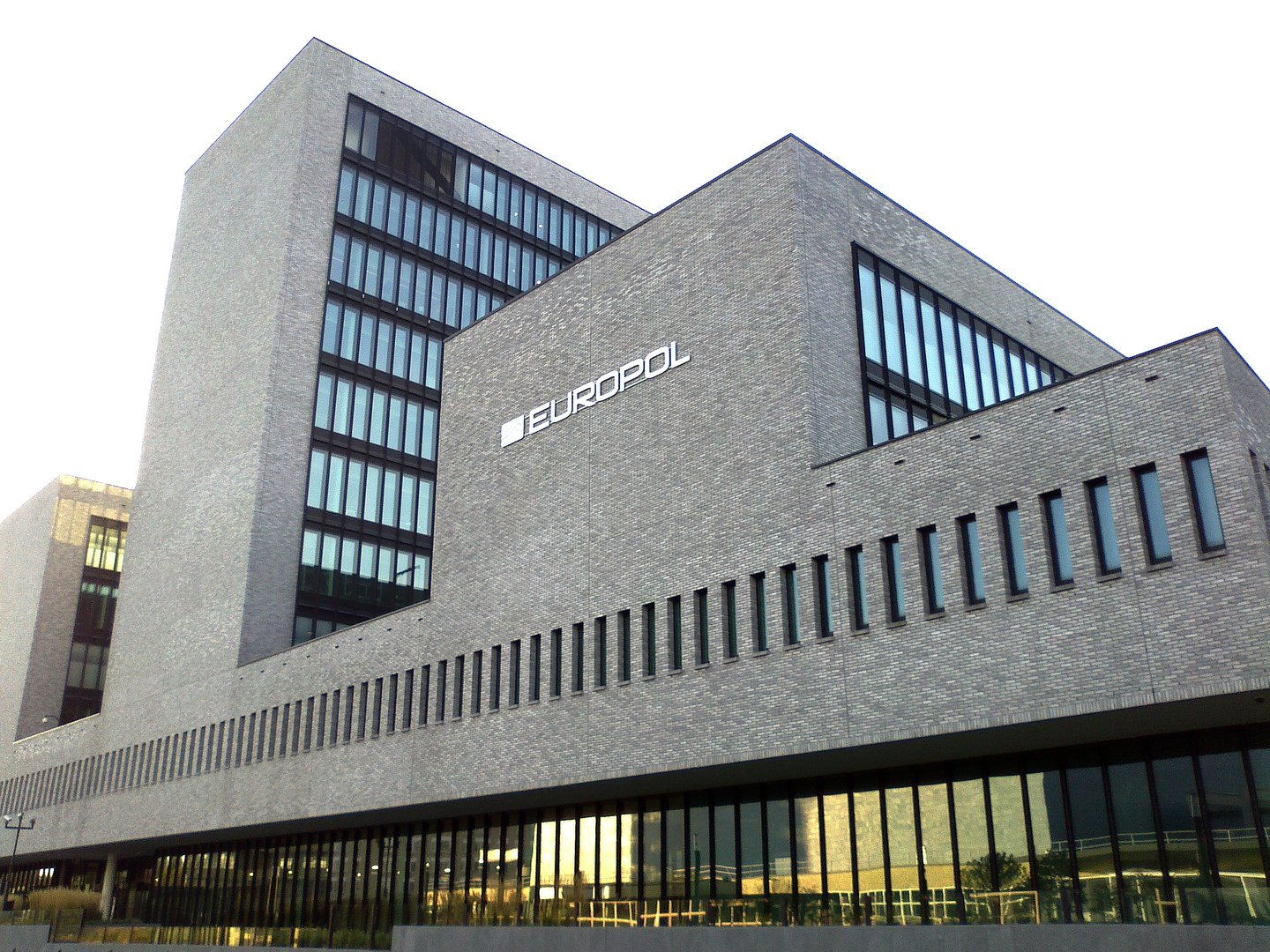

Europe recorded fewer terrorist attacks in 2025 than the year before, but the underlying threat has become harder to define, according to the European Union Terrorism Situation and Trend Report released by Europol. The annual assessment finds that 45 terrorist attacks, whether completed, failed or foiled, were reported by 10 member states in 2025, a decline from 58 attacks recorded across 14 member states in 2024. Yet arrests for terrorism-related offences continued to climb, a pattern investigators say reflects growing operational reach rather than any genuine easing of the danger.
The Numbers Behind a Shifting Threat
The report notes that 486 suspects were arrested for terrorism-related offences across 21 member states in 2025, up from 449 the previous year and 426 in 2023. Jihadist terrorism remained the dominant category by a wide margin, accounting for 24 of the 45 reported attacks, roughly half the total, and 347 of the year’s arrests, with the deadliest single incident occurring in Munich in February 2025, when a car-ramming attack left two dead and 57 injured.
Right-wing terrorism accounted for five attacks, up from just one in 2024, while left-wing and anarchist violence, concentrated heavily in Italy and Greece, accounted for 12 attacks, none of which caused casualties since targets were largely buildings and vehicles. Notably, no verified ethno-nationalist or separatist attacks were recorded in the EU in 2025, even as arrests in that category rose to 34, reflecting continued law enforcement pressure on groups such as the PKK and dissident Irish republican factions.
Stabbing remained the single most common method of attack, used in 15 of the 45 incidents, followed by bombings and arson. Among the 22 completed attacks, a majority, 12, were carried out by lone actors typically relying on simple, easily accessible weapons such as knives. On the judicial side, 406 convictions and 99 acquittals were recorded across 21 member states, with jihadist and right-wing terrorism cases both carrying an 88 per cent conviction rate, considerably higher than the 41 per cent recorded for left-wing and anarchist cases. The average prison sentence handed down was six years, broadly consistent with the two preceding years.
Beyond the raw figures, Europol’s central finding is more structural. The report describes how radicalisation is drifting away from clear ideological commitment altogether, with a growing pool of perpetrators drawn to violence less for doctrinal reasons and more as a route to identity, recognition and belonging within online subcultures.
When Violence Becomes an Identity, Not an Ideology
Among the report’s most striking findings is its treatment of what it calls “destabilising ideologies”, loosely organised online networks whose members often lack any coherent political programme. One such network, described in the report as a decentralised ecosystem spanning cyber-attacks, extortion of minors and real-world violence, illustrates how traditional categories of left-wing, right-wing and religiously motivated terrorism are increasingly blurring into a single, fluid milieu. Some subgroups linked to this ecosystem were designated as terrorist organisations outside the EU in 2025, even as several member states continued to classify related incidents inconsistently, sometimes as terrorism and sometimes as ordinary criminality.
The report also flags the continued involvement of minors in plots across Europe, including a 16-year-old arrested in Italy in October 2025 after investigators found bladed weapons and extremist material linked to an online channel he administered, and a 15-year-old arrested elsewhere in Italy on charges spanning bomb-making, weapons possession and the distribution of child sexual abuse material. Europol attributes this trend partly to the gamification of violent extremist content, where competition, rankings and reward systems common to gaming culture are mirrored in radicalisation pipelines, lowering the threshold at which vulnerable young people, some struggling with mental health issues, engage with violent material. The average age of those arrested in 2025 was 27, with 130 individuals aged 18 or younger, and the youngest arrestee, linked to right-wing terrorism, was just 12 years old.
AI, Encryption and the New Battlefield
Artificial intelligence features prominently in this year’s assessment as both a propaganda tool and an operational aid. The report states that extremists have used image, audio and video generators to produce deepfakes, memes and hate speech, occasionally circumventing built-in safety measures through jailbreaking techniques, while AI-powered chatbots have been deployed to support recruitment and even conduct preliminary research ahead of attacks. Encrypted messaging, VPNs and decentralised platforms were also cited as tools helping extremist networks evade detection and rebuild quickly after being taken down, with users creating dormant backup channels that automatically resurface when others are removed.
Financing methods have evolved in parallel. While hawala networks and cash couriers remain common, particularly among jihadist and ethno-nationalist actors, the report notes a growing reliance on cryptocurrencies and even in-game value transfers to move and store funds, complicating efforts by financial intelligence units to trace money linked to terrorist activity.
Geopolitics continued to shape the threat picture as well. The report links the ongoing conflict in the Middle East to a surge in antisemitic narratives exploited across jihadist, right-wing and left-wing extremist circles alike, while separately noting that Iran’s Islamic Revolutionary Guard Corps was formally designated a terrorist organisation by the EU in February 2026.
A Fragile Calm and What Comes Next
One notable development was the announcement by the Kurdistan Workers’ Party, or PKK, that it would disarm and dissolve following a call from its jailed founder, Abdullah Öcalan, though Europol cautions this has not yet translated into any measurable change in the group’s support networks or activity within the EU.
Looking ahead, the report forecasts that low-complexity, easily executed attacks are likely to remain the most persistent threat, precisely because they require minimal planning and are correspondingly difficult to detect in advance. At the same time, it warns that returning foreign fighters, individuals released after serving prison terms for terrorism offences, and a new generation of technologically fluent, younger radicals could together raise the risk of more coordinated, higher-impact attacks in the years ahead.
.
Follow for daily updates on cybercrime, corporate fraud, DFIR, hacking, investigations, and digital forensics
