

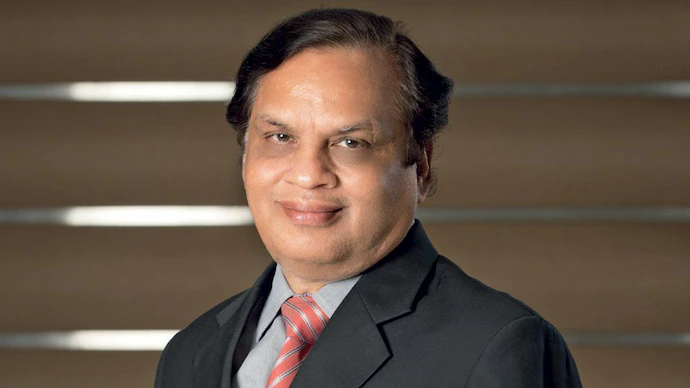
In one of the most significant developments in India’s banking and insolvency landscape, State Bank of India (SBI)-led consortium lenders have secured a major legal milestone as personal insolvency proceedings have been formally initiated against Venugopal Nandlal Dhoot in connection with an estimated ₹61,000 crore exposure linked to the erstwhile Videocon Group. The move marks a decisive escalation in a long-pending default case and pushes recovery efforts into a structured enforcement phase.
The National Company Law Tribunal (NCLT) has issued a public notice inviting claims from creditors, formally setting the insolvency resolution process in motion. This procedural step is widely seen as more than administrative, as it signals the transition of the case from prolonged litigation into a time-bound insolvency framework governed by statutory enforcement mechanisms.
Roots in Videocon Defaults and Personal Guarantees
The case originates from multiple credit facilities extended to Videocon Group companies over several years, for which Dhoot had provided personal guarantees. When the group entities began defaulting in 2018, SBI and other consortium lenders invoked these guarantees. However, despite repeated recovery attempts, the outstanding liabilities remained unpaid, prompting lenders to pursue action at both corporate and personal levels.
FCRF Returns With CDPO, Its Premier Data Protection Certification for Privacy Professionals
While corporate insolvency proceedings against Videocon entities were initiated earlier, the personal insolvency route faced prolonged legal scrutiny and procedural challenges. A petition filed in 2020 raised questions related to limitation and maintainability. However, the tribunal has now reinforced the legal position that a guarantor’s liability arises upon failure to honor the guarantee after invocation, strengthening the lenders’ enforcement stance.
Moratorium Imposed, Claims Process Under IBC Section 102
Following the admission of the insolvency proceedings, a moratorium has been imposed on Dhoot’s assets. This restricts the sale, transfer, or disposal of any property and also temporarily halts parallel recovery actions. The moratorium ensures that all claims are consolidated under a single legal framework, preventing fragmented litigation and enabling structured resolution.
Under Section 102 of the Insolvency and Bankruptcy Code (IBC), a formal notice has been issued directing all creditors to submit their claims within a specified timeline. Once verified, these claims will form the basis of a comprehensive resolution plan, which may include asset valuation, restructuring proposals, or negotiated settlement mechanisms. A resolution professional will oversee the entire process to ensure compliance with legal procedures.
Landmark Case Signals Shift in Personal Liability Enforcement
The ₹61,000 crore exposure is among the largest personal guarantee-linked insolvency cases in India, reflecting the scale of lending extended to Videocon Group companies over the years. Financial institutions had relied heavily on personal guarantees as security, which are now being tested under the insolvency framework.
Legal experts note that this case represents an important evolution in India’s insolvency regime, where personal guarantors are increasingly being held accountable alongside corporate borrowers. The development underscores how corporate defaults are now directly translating into personal liability enforcement under the Insolvency and Bankruptcy Code.
With the enforcement phase now underway, creditor participation is expected to accelerate as claims are filed and verified. The consolidated process is intended to streamline recovery efforts and avoid multiple parallel legal proceedings, ensuring a unified resolution approach.
For lenders, the proceedings represent a renewed opportunity to recover long-pending dues after years of stalled recovery efforts. For the debtor, it marks a significant legal turning point where the separation between corporate default and personal liability has effectively diminished under the insolvency framework.
In the coming weeks, claim verification and drafting of a resolution strategy will become critical steps in the process. While the final outcome remains uncertain, the initiation of formal insolvency proceedings has already marked a decisive shift in one of India’s largest banking default cases, bringing it firmly into the enforcement stage.
About the author – Ayesha Aayat is a law student and contributor covering cybercrime, online frauds, and digital safety concerns. Her writing aims to raise awareness about evolving cyber threats and legal responses.
Follow for daily updates on cybercrime, corporate fraud, DFIR, hacking, investigations, and digital forensics
