
Follow us on Google News

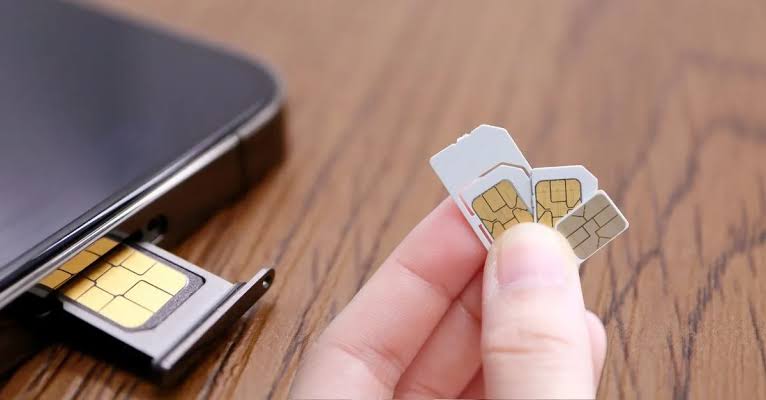
Delhi Police have blocked 71,077 SIM cards suspected of being linked to cyber fraud between January and November 19, 2026, compared with 41,544 during the whole of 2025. The sharp increase has drawn attention to the illegal procurement and resale of mobile connections used by cybercriminals to contact victims and conduct fraudulent activities.
How Many SIM Cards Were Blocked?
According to police figures, the number of SIM cards blocked at the request of Delhi Police has increased by nearly 71% compared with 2025, with 29,533 more connections blocked this year.
The figures show a consistent rise in action against suspicious mobile connections. In 2023, police blocked 8,943 SIM cards, followed by 36,025 in 2024 and 41,544 in 2025.
Since 2023, a total of 1,57,589 SIM cards have been blocked at the request of Delhi Police in coordination with the Department of Telecommunications. These connections were allegedly obtained for or used in cyber fraud.
How Are SIM Cards Used in Cyber Fraud?
Police investigations have identified weaknesses in identity verification at SIM card sales outlets as one factor contributing to the circulation of mobile connections that eventually reach cybercriminals.
According to a senior police officer, members of cyber fraud gangs purchase SIM cards in bulk and subsequently sell them to scammers operating in different parts of the country, including Haryana’s Nuh district and Jharkhand.
Investigators have also discovered that fraudsters prepare forged identity documents to obtain SIM cards. Such connections can then be used to approach potential victims through telephone calls and messages while concealing the identity of the actual operator.
Why Are People Selling Their SIM Cards?
Police have found that fraudsters sometimes persuade economically weaker individuals to obtain SIM cards using their personal identity documents. The individuals are allegedly offered between ₹700 and ₹800 for each SIM card handed over to the fraudsters.
This arrangement creates difficulties during cybercrime investigations because the registered subscriber and the person operating the connection may be different.
When investigators trace a mobile number involved in a fraudulent transaction, they often reach the original subscriber, who may have no knowledge of how the SIM card was subsequently used or who was operating it.
What Steps Are Police Taking?
Delhi Police have been coordinating with telecommunications companies to strengthen verification procedures before issuing SIM cards. Officials are also sensitising employees at mobile connection sales outlets about the importance of checking identity documents and preventing fraudulent registrations.
The measures are intended to restrict the supply of mobile connections that can be obtained through forged documents or transferred to cybercriminal networks.
What Should Mobile Subscribers Know?
Additional Commissioner of Police (IFSO) Sanjay Bhatia has advised citizens against selling their SIM cards to strangers or acquaintances, warning that they could face difficulties if those connections are subsequently used for criminal activities. He also urged people not to share their personal credentials or identity documents with others for purchasing SIM cards.
The police findings underline the importance of preventing SIM cards registered in legitimate subscribers’ names from reaching cybercriminal networks.