
Follow us on Google News

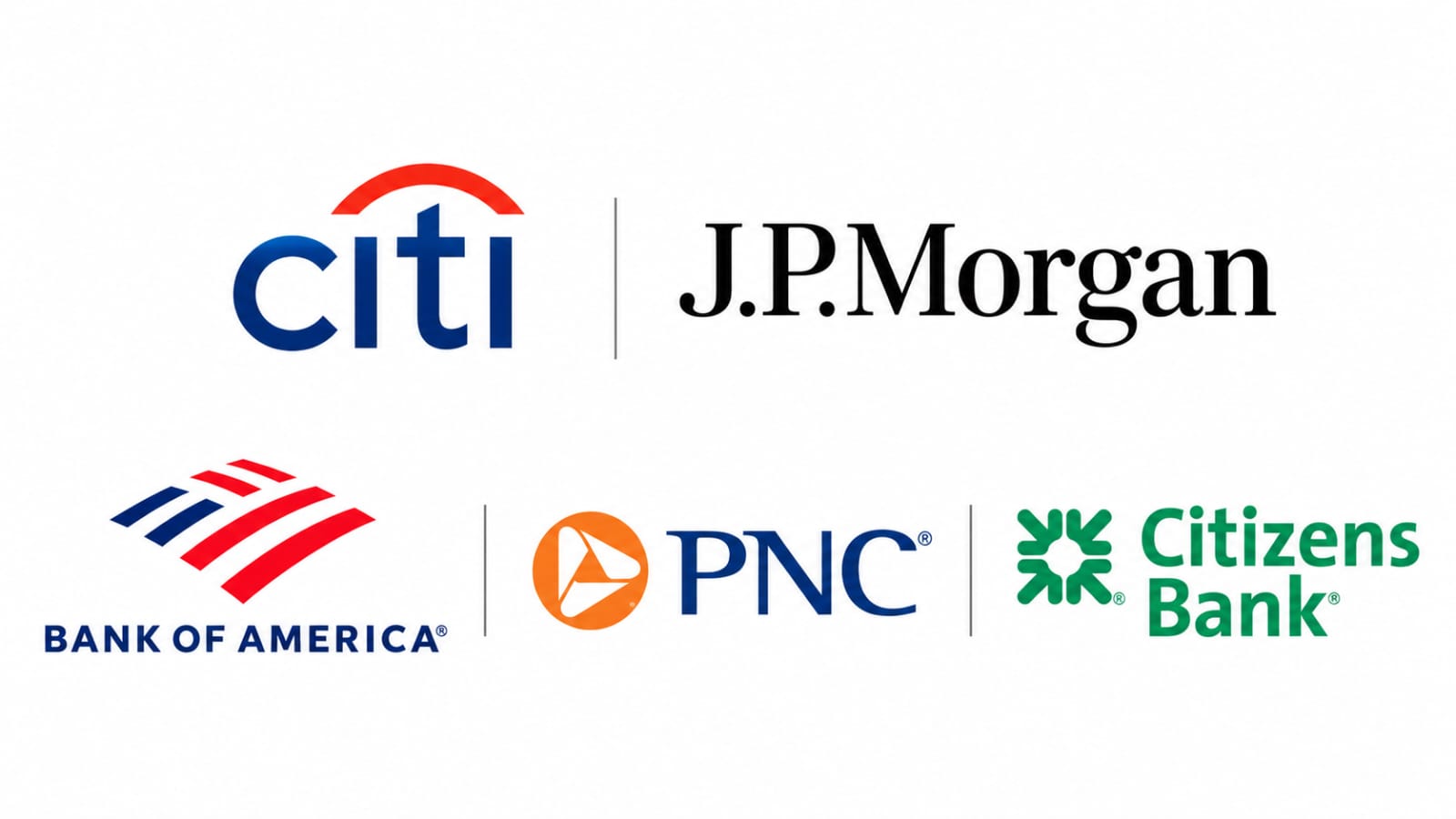
Five major US banks, including Citibank, JPMorgan, Bank of America, PNC and Citizens Bank, have reportedly updated their account terms to place responsibility for certain transactions and financial losses involving third-party artificial intelligence agents on customers, including cases where those agents are compromised by hackers.
The changes, reported during October and November 2026, have raised questions about consumer protection as AI-powered services become increasingly involved in personal financial activities.
Which US Banks Have Changed Their Terms?
Citibank, JPMorgan, Bank of America, PNC and Citizens Bank have reportedly revised their personal account terms to address transactions conducted through third-party AI agents. The updated provisions concern customers who authorise external AI services to access their banking accounts and perform financial activities on their behalf.
Under the reported changes, customers may be held responsible for transactions or losses arising from the use of those services, even when unauthorised activity follows a security compromise.
The provisions focus on access granted to third-party AI agents rather than all forms of cyber fraud affecting bank accounts.
What Does Citibank’s New Policy Say?
Citibank’s revised Online User Agreement contains one of the clearest statements regarding responsibility for third-party AI services.
According to the reported terms, customers who permit external AI agents to access their accounts may remain responsible for resulting transactions and losses, even if the agent is subsequently compromised.
This includes situations in which attackers exploit stolen access to transfer funds without the customer’s authorisation.
Citibank has also identified an exception for customers using AI agents provided directly by the bank. Those services are not subject to the same additional liability provision.
How Could Customers Lose Money After an AI Hack?
Third-party AI agents can be authorised to access financial accounts and perform activities for users. Such access creates potential risks if the external service is compromised.
The reported banking provisions address circumstances in which hackers obtain access through an AI agent that a customer previously authorised. In these situations, a transaction initiated after the compromise could still fall within the responsibility assigned to the customer under the revised terms.
The changes have raised concerns about whether consumers fully understand the financial consequences of allowing AI applications to access sensitive banking information.
Why Are Banks Introducing These Changes?
The revised terms reflect the growing use of AI agents in financial services and the challenges surrounding responsibility for transactions carried out through external platforms.
As AI tools become capable of initiating financial activities, banks and technology providers face questions about who should bear losses when an authorised service is subsequently misused.
FCRF Launches Certified Chief Risk Officer (CRO) Program for India’s Risk Leaders
The reported changes suggest that banks are placing greater responsibility on customers who choose to grant account access to third-party AI systems.
However, the contractual provisions do not, by themselves, establish that customers would automatically bear every loss resulting from an AI-related cyberattack.
What Are the Concerns for Consumer Protection?
The changes have implications for financial technology companies offering AI agents that interact with personal banking accounts.
Such providers may need to assess whether their services adequately explain potential financial liability to users. Consumer protection authorities could also examine whether customers receive sufficiently clear information before authorising third-party access.
The screenshots reference the US Federal Trade Commission’s enforcement framework for AI-related practices as a possible consideration in assessing disclosures and informed consent.
What Does This Mean for Indian Users?
Although the reported changes concern US banks, they highlight a question relevant to Indian consumers using AI-powered financial applications: who bears responsibility when an authorised third-party service is hacked?
Customers should carefully examine the terms governing external applications before allowing them to access bank accounts or conduct transactions.
The reported developments underline the importance of understanding the distinction between services provided directly by a bank and independent AI platforms operating with customer permission.
The420 Insight
The central issue is not whether banks are refusing responsibility for every cyberattack, but whether customers could face additional liability after authorising third-party AI access. The reported changes demonstrate why account permissions, contractual terms and security safeguards deserve close scrutiny before AI agents are allowed to handle financial transactions.
About the author — Ayesha Aayat writes on cybercrime, digital safety, and emerging online threats. Her work focuses on public awareness, legal clarity, and technology-driven risks.