
Follow us on Google News

The West District Cyber Police have busted an interstate cyber fraud gang accused of hacking mobile phones through malicious APK files and siphoning money from bank accounts, duping more than 22,000 people of nearly Rs 20 crore. Following coordinated raids across five states, police arrested 22 members of the syndicate. Investigators have so far linked the network to 2,080 complaints registered on the National Cyber Crime Reporting Portal (NCRP), and officials suspect the actual scale of the organized operation could be even larger.
According to the West District Police, the gang primarily targeted elderly citizens. The accused contacted victims under various pretexts and persuaded them to download malicious APK files onto their mobile phones. Once a victim installed the application through the link or file sent by the fraudsters, the gang gained remote access to the device. They then misused sensitive banking credentials to empty the victims’ bank accounts.
Investigation of 1,000 Complaints Uncovers Network
Police initiated the probe by examining around 1,000 complaints related to APK file frauds filed on the NCRP portal. During this scrutiny, investigators identified 20 e-FIRs, which served as the foundation for gathering technical evidence and tracing the digital channels used in the scam.
The technical analysis revealed 32 suspicious APK files and 56 Telegram profiles linked to the racket. Using these digital footprints, police worked to identify the individuals responsible for developing the fake applications, distributing them to targets, and laundering the stolen funds. DCP Hareshwar Swami stated on Saturday that, given the gravity of the case, special teams were formed under the supervision of Cyber Police Station SHO Vikas Buldak. The 64-member police teams launched a manhunt based on technical surveillance and gathered evidence.
Raids Across Five States Lead to 22 Arrests
Between November 11 and November 15, police conducted simultaneous operations across five states, arresting 22 suspects from multiple locations. Authorities are currently interrogating the accused to map out their broader network, identify technical associates, and trace the bank accounts used to facilitate the fraud.
Investigators are also working to determine who created the 32 variants of the APK files and how they were circulated via Telegram. Furthermore, the police are examining the division of labor among the gang members and their operational links across different states.
Fraudsters Targeted Elderly Citizens Under False Pretexts
During interrogation, the accused reportedly disclosed that senior citizens were their primary targets. The gang members called elderly individuals, fabricated various excuses, and convinced them to download APK files in the name of essential services, information, or other conveniences.
The fraudsters had developed 32 distinct APK files specifically designed to deceive users into installing malware on their smartphones. Immediately after the file was downloaded, the perpetrators gained access to phone activities and banking details, allowing them to swiftly withdraw money from the victims’ accounts.
Stolen Funds Laundered Through Discounted E-Commerce Coupons
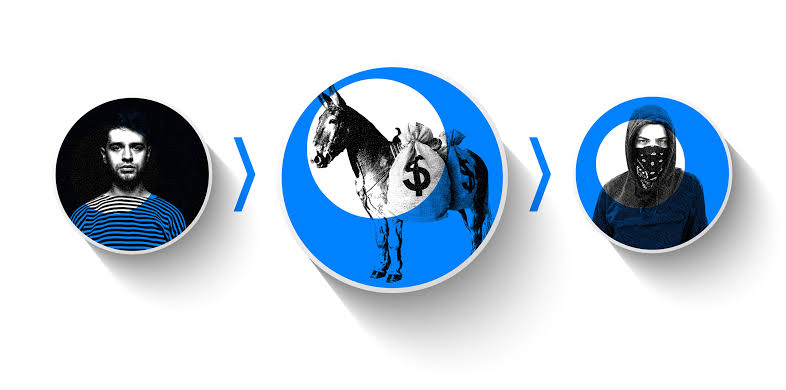
Instead of keeping the cheated money directly in bank accounts, the accused converted the funds by purchasing goods and digital vouchers. Police investigations revealed that the gang bought coupons from major online platforms including Flipkart, Amazon, Swiggy, and BigBasket, which were also used to order merchandise and services.
The fraudsters subsequently sold these digital coupons on Telegram at a discount of about 20 percent to liquidate the stolen money. Alongside digital vouchers, the gang also used the illicit proceeds to purchase mobile phones, silver coins, and gift coupons. Police are currently tracking the financial trail of these transactions to identify everyone involved in buying and reselling the vouchers, expecting further interrogation and digital forensics to reveal the full extent of the fraud.