
Follow us on Google News

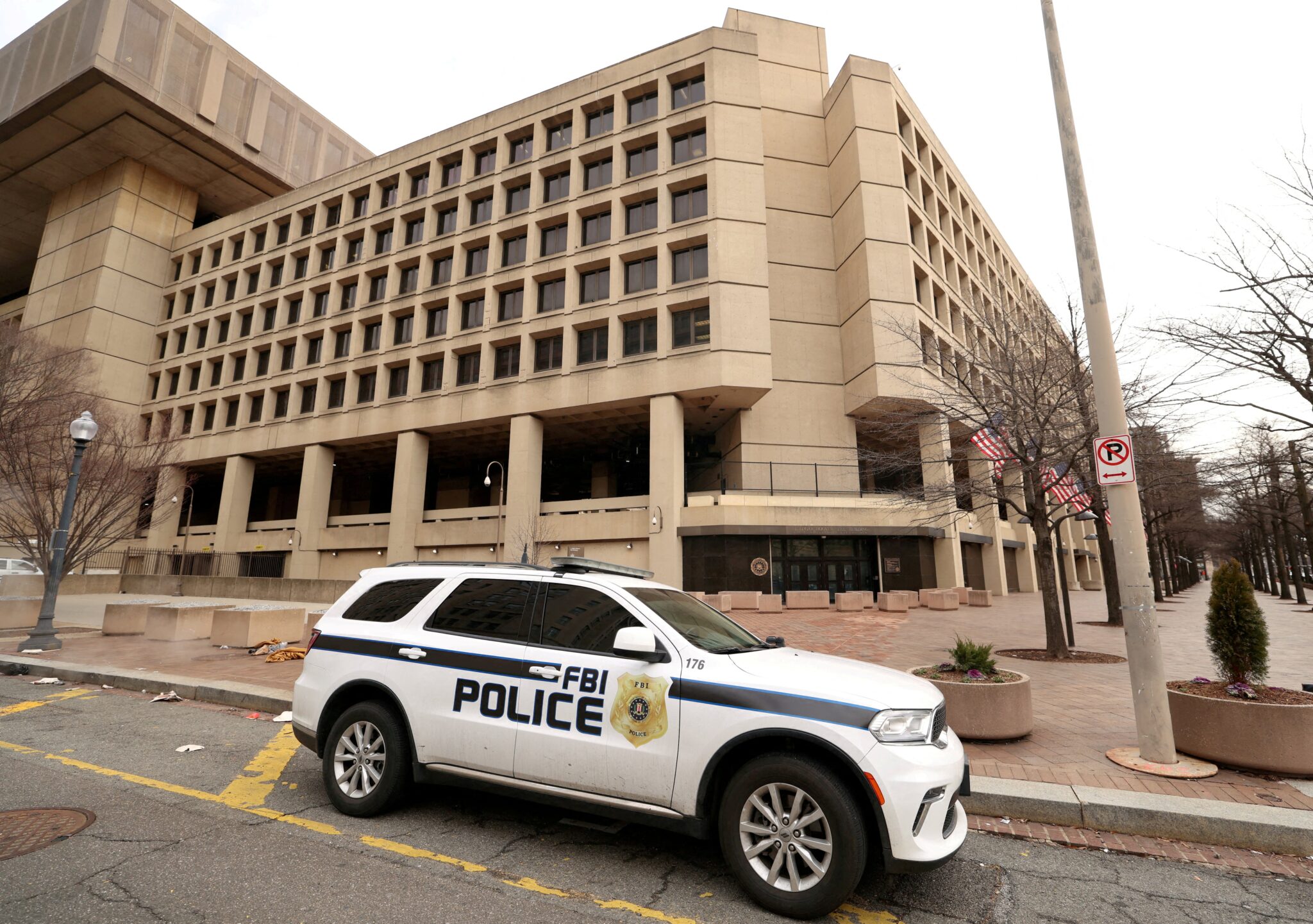
The Federal Bureau of Investigation (FBI) is investigating a potential cyber breach involving its primary criminal information database, raising concerns over the security of sensitive law enforcement records. According to American media reports, the agency’s National Crime Information Center (NCIC) is suspected to have been targeted. This database is widely used by federal and local law enforcement agencies to share critical information related to criminal records, arrest warrants, and background checks. Confirmation of unauthorized access could raise serious questions regarding the confidentiality of sensitive police and security agency data.
Citing two individuals familiar with the matter, reports indicated that the FBI is actively probing the suspected intrusion. However, it remains unclear which sections of the database the attackers accessed, the volume of information affected, or whether any confidential records were stolen. An official response from the FBI is still awaited. At present, authorities are treating the incident as a potential cyber breach, and no final conclusions have been reached regarding the nature or impact of the attack pending the completion of the investigation.
Crucial Database for Law Enforcement Agencies
The NCIC serves as a vital digital platform within the American law enforcement framework. Alongside the FBI, local and federal police departments across the country rely on the system to access arrest warrants, criminal background histories, and other policing intelligence. From verifying an individual’s identity or criminal history to retrieving essential details during active investigations and police operations, the platform plays a central role.
If an unauthorized individual or group gained access to this database, the potential risks would extend beyond data theft. The exposure of investigative records, warrant details, or other confidential information could disrupt ongoing investigations and police operations. Nevertheless, authorities have not yet confirmed whether any such data fell into the hands of the attackers. Investigators will also need to determine whether the breach occurred through a technical vulnerability, stolen login credentials, or another method.
FBI Employee Data Previously Targeted
This is not the first time the FBI has faced potential targeting by cybercriminals. In September 2026, the agency launched an investigation into a suspected data breach following claims by the cybercriminal group ShinyHunters. The group had claimed to have obtained sensitive information belonging to approximately 38,000 FBI employees. Following that incident, a former FBI agent voiced concerns over personnel safety, warning that if personal details were made public, cybercriminals and hackers linked to hostile nations could exploit the data to target agency staff.
No direct link has been confirmed between the September incident and the current suspected intrusion involving the NCIC, and both matters are being investigated separately. Still, recurring incidents of this nature have focused scrutiny on the security of digital infrastructure across United States government institutions.
Farm Payment System Also Reportedly Targeted
Meanwhile, reports have also emerged that a farm payment system operated by the United States Department of Agriculture (USDA) was targeted in an alleged cyberattack. According to reports, department employees were informed on Thursday that the payment platform serving farmers had been targeted. The system is used to manage agricultural payments and financial assistance. However, the USDA has not issued a detailed public statement on the incident, leaving it unclear whether payment services were disrupted or if the personal or financial data of beneficiaries was compromised.
These developments follow technical disruptions experienced last week across banking, air traffic control, and other sectors in the United States. Although officials stated that those outages were not caused by cyberattacks, the series of technical failures prompted lawmakers to question the resilience of digital systems and emergency preparedness. Alongside these events, National Cyber Director Sean Cairncross was removed from his post this week after President Donald Trump expressed dissatisfaction with his performance, though no link has been established between the administrative move and the reported cyber incidents at the FBI or the USDA.