

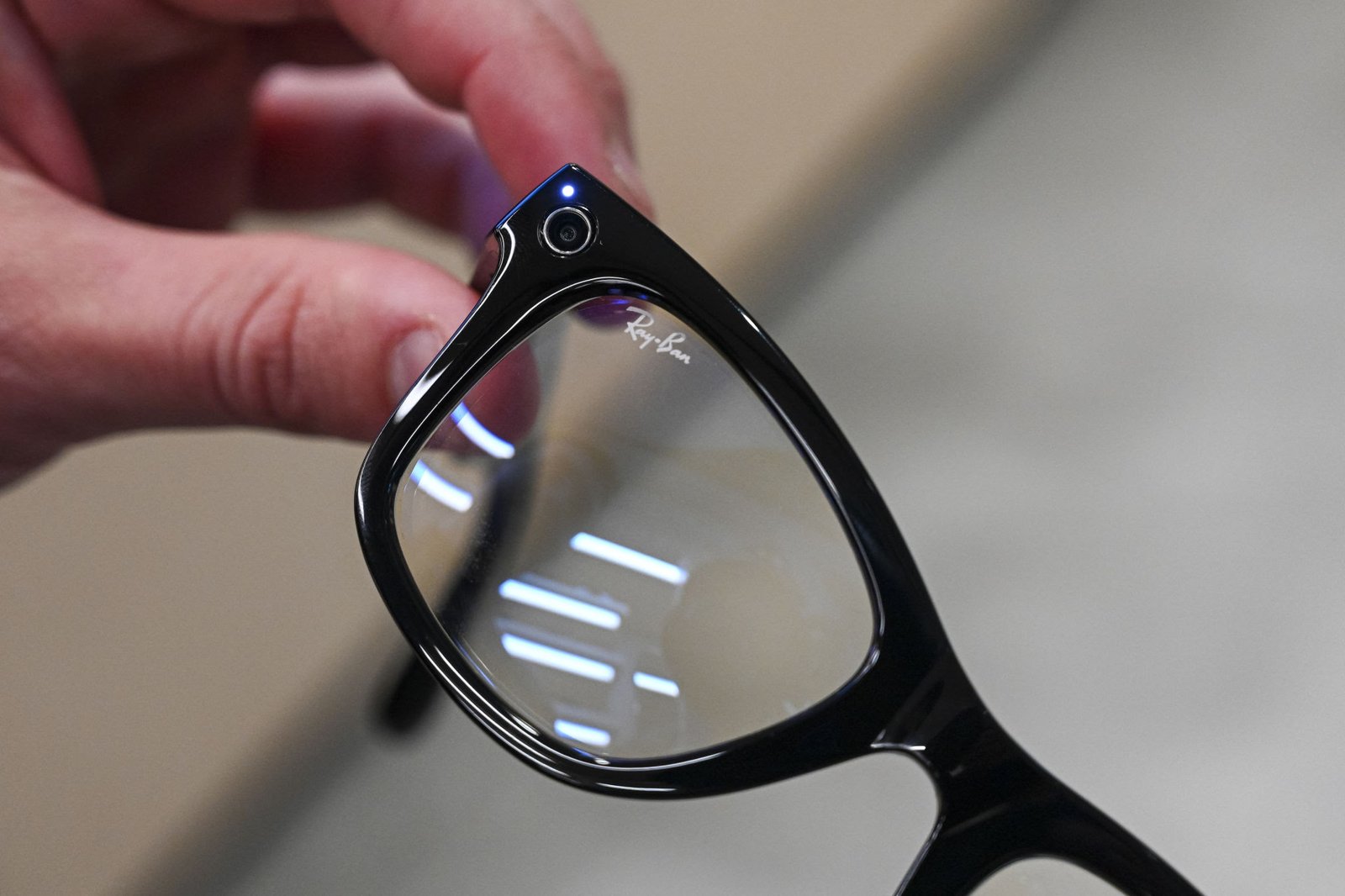

A legal dispute in New Delhi has brought privacy concerns surrounding wearable technology into sharp focus. A Delhi resident issued a formal ₹2.05 crore legal notice to Meta Platforms and an Instagram content creator following an alleged incident of non-consensual recording at an upscale café. The legal notice, issued on August 24, details an incident on July 24 when the complainant was sitting alone at a café in Delhi’s Khan Market. An Instagram creator reportedly approached and harassed him, secretly filming the interaction using camera-integrated Ray-Ban Meta smart glasses without his knowledge or consent.
The recorded footage was uploaded to Instagram as a public Reel on July 26. By August 6, the video had amassed over 4.19 lakh views, approximately 15,700 likes, and more than 500 comments, many of which allegedly mocked the complainant. Beyond demanding an immediate takedown, the legal notice challenges Meta’s product architecture, platform moderation workflows, and corporate liability as a manufacturer of covert-capable wearable consumer devices.
Algoritha Security Launches ‘Make in India’ Cyber Lab for Educational Institutions
Inadequate Grievance Architecture and Platform Deficiencies
The legal notice highlights critical flaws in Instagram’s content moderation and grievance mechanisms within India. On July 27, the victim attempted to report both the Reel and the creator’s account through Instagram’s in-app reporting menu. However, he discovered no specific category for privacy violations or non-consensual recording. Forced to select “Bullying or Harassment,” his complaint was rejected by Instagram, which stated the content did not violate Community Standards.
Subsequent review requests were turned down. Furthermore, a formal grievance filed with Meta’s Grievance Officer for India received neither an acknowledgment nor a resolution. The complainant contends that Meta’s systemic failure to provide functional reporting tools enables harassment and allows creators to commercially exploit unauthorized media across its platforms.
Product Liability and the Threat of Unchecked Wearable Surveillance
A major dimension of the legal notice challenges Meta under product liability and negligence doctrines. The notice argues that because Ray-Ban Meta smart glasses closely resemble standard optical eyewear, bystanders cannot reasonably discern when a camera is actively capturing audio and video. The complainant asserts that the potential for covert surveillance and third-party harassment was entirely foreseeable during product development, establishing corporate responsibility on Meta’s part as manufacturer and marketer.
Meta has defended its smart eyewear by pointing to technical safeguards, including a mandatory capture LED indicating active recording and automatic shutoff mechanisms if the indicator is obscured. However, critics argue these indicators are easily missed in public spaces. The controversy reflects growing privacy concerns across India, highlighted by a similar July incident where an individual was secretly recorded during a trans rights demonstration, fueling demands for regulation.
The legal notice sets a strict seven-day deadline for Meta and the creator to respond, demanding an unconditional apology, full removal of the footage, disclosure of distribution channels, metadata preservation, and ₹2.05 crore in damages.
Follow for daily updates on cybercrime, corporate fraud, DFIR, hacking, investigations, and digital forensics
