

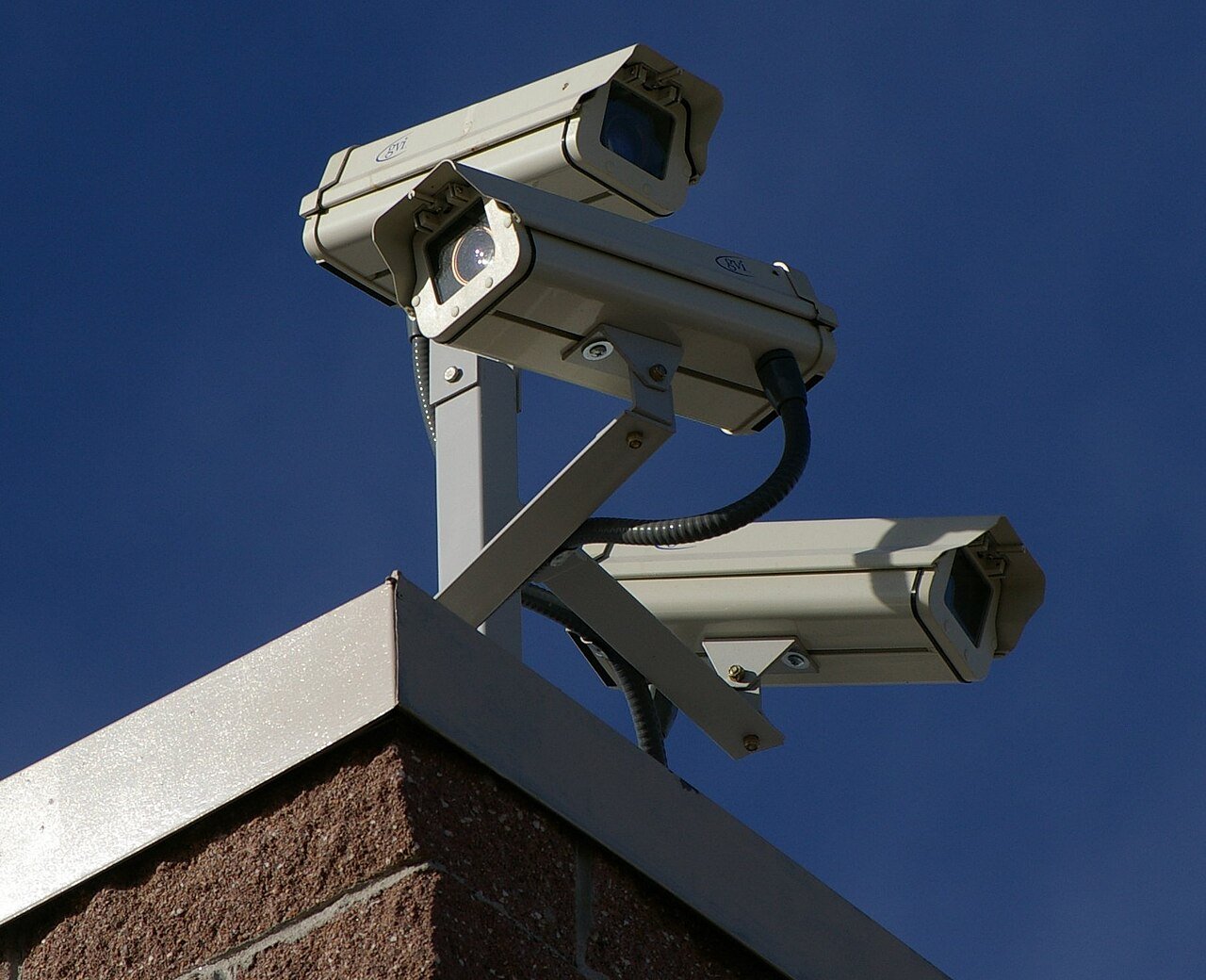
Delhi Police’s ₹15.7-crore tender for 338 CCTV cameras equipped with facial recognition capabilities has triggered concerns over surveillance safeguards, data protection and procurement irregularities. The proposed system will cover parts of Central and New Delhi, including sensitive public locations, VVIP routes and major traffic points.
The five-year contract includes facial recognition technology (FRT), automatic number plate recognition (ANPR), video management software, storage hardware and associated infrastructure. While police officials have described the project as part of a broader modernisation initiative, digital rights group Internet Freedom Foundation (IFF) has flagged gaps in privacy protections and technical specifications.
338 Cameras Planned Across Central and New Delhi
According to the tender details, the project includes 248 fixed cameras, 43 pan-tilt-zoom (PTZ) cameras and 47 ANPR cameras. Locations identified for installation include Ramlila Maidan’s VVIP gate, Turkman Gate, Delhi Gate, Rajghat, C-Hexagon near India Gate, Mandi House and the Patiala House court complex.
The tender follows an earlier procurement initiative for 194 cameras on VVIP routes in the North district, with facial recognition capabilities required for a portion of the fixed and PTZ units.
Police officials have maintained that the procurement originated under a modernisation plan initiated approximately two years ago and was not connected to recent demonstrations in the capital. A proposal for permanent cameras along VVIP routes was considered in March 2025 and approved in September that year.
Installation of the two camera projects is expected to begin around December 2026 or January 2027, according to the report.
FCRF Launches CP-FRM to Build India’s Next Generation of Fraud Risk Professionals
Privacy Safeguards Under Scrutiny
The IFF has raised concerns about the absence of a clearly specified standard operating procedure (SOP) governing facial recognition, privacy impact assessments and detailed information about the databases against which faces would be checked.
The report also points to missing accuracy thresholds and safeguards against false matches. These omissions raise questions about how the system will handle incorrect identifications and what procedures will apply when an individual is mistakenly flagged.
Another concern involves data retention. Although the tender reportedly requires video footage to be stored for 30 days, it does not clearly define retention rules for facial templates, facial recognition match logs or ANPR records.
Such information can reveal patterns of movement and associations when collected and analysed over time. Without clear rules on access, storage, deletion and oversight, surveillance systems may create privacy risks beyond their immediate security objectives.
IFF Flags 28 Tender Irregularities
The digital rights organisation also identified 28 alleged procedural defects in the tender documents. These reportedly include mismatches in camera quantities, technical specifications copied from older tenders, references to outdated independent monitors and inaccurate location coordinates.
One coordinate reportedly placed a proposed camera location approximately 40 kilometres east of Delhi, raising questions about the accuracy of the deployment documentation.
The IFF stated that it found no evidence that the camera procurement and the decision to change designated protest locations were coordinated. However, it noted that some locations selected for surveillance had already been chosen for demonstrations.
What This Means For You
Facial recognition CCTV can support investigations and public safety, but unclear rules governing identification, data retention and access may expose ordinary citizens to mistaken matches and excessive monitoring. Transparent safeguards and accountability are essential to protect individual privacy.
The420 Insight
Delhi’s proposed surveillance expansion highlights the need to balance policing requirements with privacy and procedural accountability. Clear operating rules, independent oversight, accuracy standards and enforceable data-retention policies should accompany facial recognition deployments, particularly in public spaces where large numbers of people may be monitored.
Follow for daily updates on cybercrime, corporate fraud, DFIR, hacking, investigations, and digital forensics
