
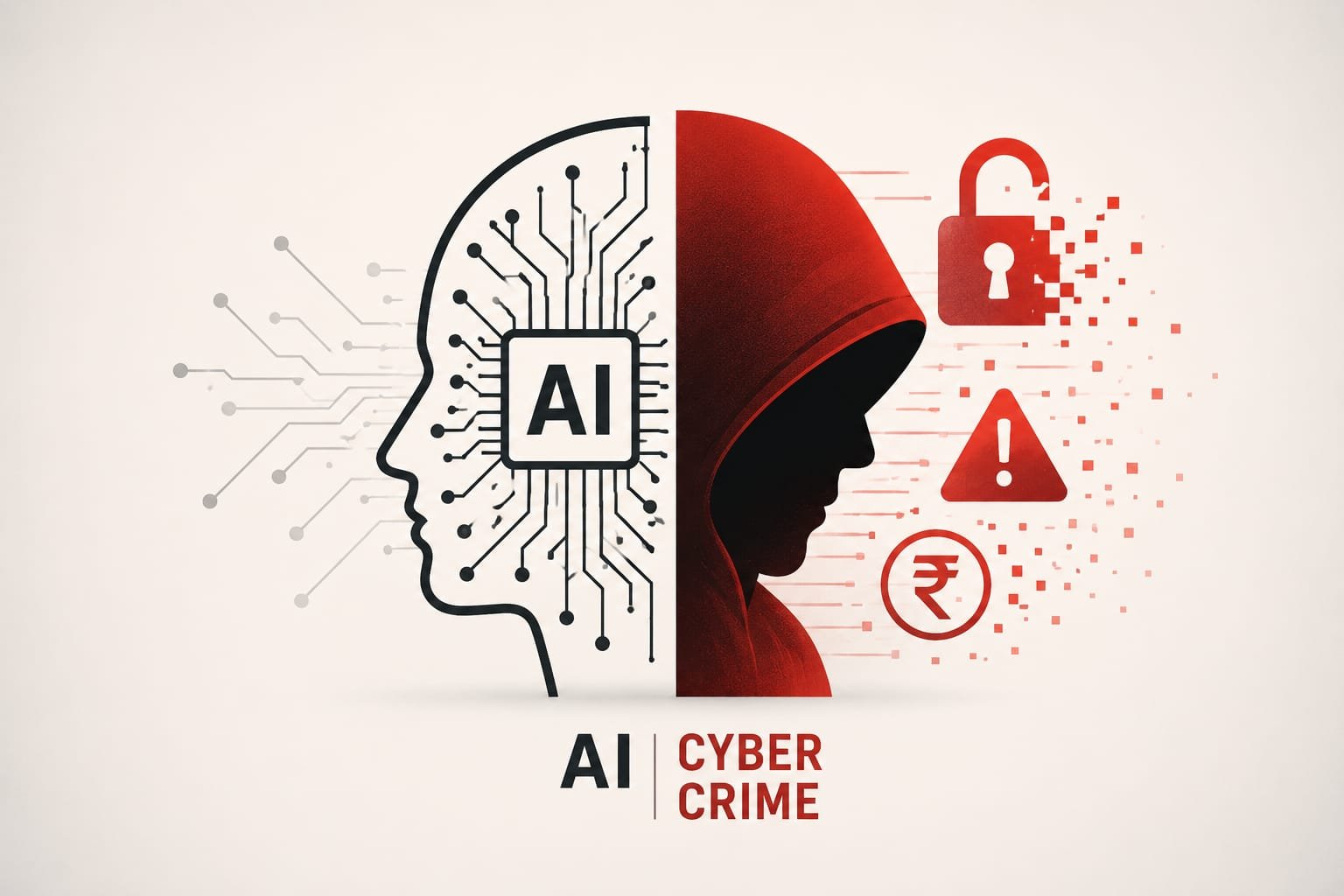
Artificial intelligence is making online financial scams harder to detect, with criminals using deepfakes, cloned voices, personalised phishing messages and synthetic identities to deceive victims.
As these techniques become more convincing, ordinary users and businesses face growing risks when handling money or sharing sensitive information online.
What are AI-powered scams?
AI-powered scams use technologies such as machine learning, natural language processing and deep learning to create convincing fraudulent schemes. Unlike conventional scams, they can analyse large amounts of personal information, imitate human behaviour and adjust their approach in real time.
Generative AI can also be used to create fake identities, forged documents and realistic audio-visual material that may be difficult to distinguish from genuine content.
The danger increases when fraudsters personalise attacks. AI systems can study social media profiles, spending habits and other available information to identify potential vulnerabilities and produce scams designed for particular individuals.
How are cybercriminals using AI to target victims?
Fraudsters can deploy AI-powered chatbots to conduct realistic conversations and build a victim’s trust before seeking sensitive information. Voice synthesis technology can recreate a person’s voice from only a few seconds of audio, allowing criminals to make calls that appear to come from relatives or other trusted people.
Machine-learning tools can also help criminals analyse leaked databases containing phone numbers, email addresses and social media information to identify people considered more likely to respond to a scam.
Automation makes the problem more scalable. Instead of approaching victims individually, criminals can potentially operate large numbers of scam attempts simultaneously with limited human involvement.
What are the most common types of AI-driven fraud?
Deepfake video fraud is one major threat. Criminals can create realistic video impersonations of bank officials, government officers or even family members to extract money or sensitive information. Such deepfakes can imitate facial expressions, voices and mannerisms.
AI-generated phishing campaigns are another concern. Instead of relying on poorly written or generic messages, AI can create personalised and contextually relevant emails or messages using information such as recent transactions, local events or industry details.
Synthetic identity fraud combines real and fabricated information to create identities capable of passing standard verification checks. Such identities may then be used to open bank accounts, apply for loans or conduct fraudulent transactions.
Voice-cloning scams can imitate a familiar person’s voice during supposed emergencies. The material highlights examples such as fake kidnapping ransom calls, impersonation of bank officials seeking OTPs and fabricated medical emergencies involving relatives.
How convincing can AI-powered impersonation scams become?
AI-generated video and voice scams can be highly convincing because criminals can imitate a person’s face, voice, accent and manner of speaking. This can make a fake call appear to come from a company executive, bank official, colleague or family member.
The danger increases when the fraudster combines the fake identity with an urgent request for money, account access or confidential information. Because the communication may look and sound genuine, victims can find it difficult to recognise the deception immediately.
For this reason, even a familiar face or voice should not be treated as proof of identity when an unexpected financial request is made.
Algoritha Security Launches ‘Make in India’ Cyber Lab for Educational Institutions
How can AI scams affect victims and financial security?
AI-driven fraud can cause damage beyond the immediate loss of money. Victims may face problems such as fraudulent loans opened in their name, damage to their credit history, legal complications linked to identity misuse and lengthy recovery processes.
Such incidents can also reduce trust in digital banking and online financial services. As AI-powered scams become more sophisticated, banks and financial institutions are increasingly relying on stronger fraud-detection systems, behavioural monitoring and transaction analysis to identify unusual activity before losses increase.
How can people recognise an AI-powered scam?
The growing realism of AI-generated content means people should avoid relying solely on a familiar voice, photograph or video as proof of identity. Unexpected financial requests should be independently checked, particularly when the caller or sender creates urgency.
Requests involving passwords, OTPs, banking credentials, transfers or confidential information deserve additional scrutiny even when the communication appears to come from someone familiar.
A message that looks professionally written should also not automatically be considered genuine. AI can help criminals produce convincing phishing messages without the spelling and grammatical errors traditionally associated with online scams.
https://www.linkedin.com/company/policetechnology/
How AI Scams Are Affecting Victims in Real Cases
1. https://the420.in/tamil-nadu-cb-cid-deepfake-chief-minister-vijay/
2. https://the420.in/chennai-fake-ai-video-investment-fraud-finance-minister/
3. https://the420.in/ai-voice-cloning-scam-fake-emergency-family-fraud-alert/
4. https://the420.in/chennai-fake-ai-video-investment-fraud-finance-minister/
How can people protect themselves from AI fraud?
Protecting against AI-driven scams increasingly depends on verification rather than simply trusting what appears on a screen or sounds convincing over a phone call. The material recommends several practical precautions:
- Verify before acting: Independently confirm unusual financial requests through a trusted phone number or another communication channel, particularly when money is involved.
- Be suspicious of urgent demands: Fraudsters often try to create pressure so victims act before checking the request carefully.
- Never disclose sensitive credentials: OTPs, passwords, PINs and other banking information should not be shared merely because a caller appears trustworthy.
- Check unexpected links and messages: AI-generated phishing messages can look highly professional and personalised. Treat unfamiliar links and attachments cautiously.
- Use strong security controls: Multi-factor authentication and strong account security can provide an additional layer of protection if login credentials are compromised.
- Limit personal information online: Information publicly available through social media can potentially help criminals personalise scams or imitate victims and their contacts.
- Watch financial activity: Regularly review bank accounts and transactions so suspicious activity can be detected as early as possible.
Question unusual video or voice calls: A familiar face or voice should not be treated as unquestionable proof of identity when an unexpected request for money is made.
What is the key lesson as AI scams become more sophisticated?
AI-powered fraud is becoming increasingly difficult to identify because criminals can imitate people, personalise messages and automate attacks. The safest approach is to verify unusual requests independently before transferring money or sharing sensitive information. Awareness, careful verification and strong digital-security practices remain essential as the technology behind online scams continues to advance.
About the author — Ayesha Aayat writes on cybercrime, digital safety, and emerging online threats. Her work focuses on public awareness, legal clarity, and technology-driven risks.
Follow for daily updates on cybercrime, corporate fraud, DFIR, hacking, investigations, and digital forensics
