

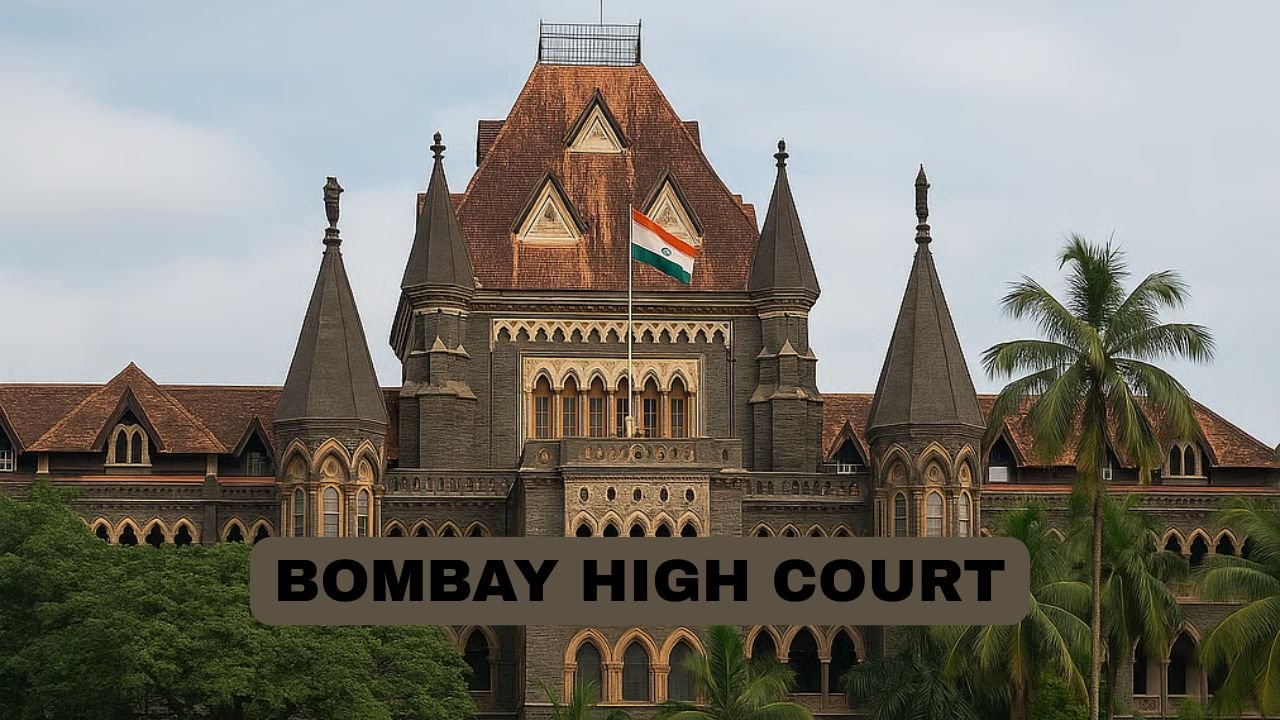

Mumbai | In a significant order in a high-profile slum redevelopment dispute, the Bombay High Court has dismissed a series of applications filed by L&T group entities, an Adani-linked company and other parties seeking rejection of a commercial suit at the threshold stage. Holding that the applications were an unnecessary attempt to stall the proceedings, the Court imposed costs of ₹2 lakh each on four parties, taking the total costs to ₹8 lakh.
The dispute arises from a commercial suit filed by KS Chamankar Enterprises and one of its partners in connection with a major slum rehabilitation project in Mumbai. The plaintiff has alleged that it was unlawfully removed from the project through a conspiracy involving multiple entities and officials despite having undertaken substantial redevelopment work.
FCRF’s Flagship Cyber Law Certification Returns With a New Four-Week Cohort
According to the suit, KS Chamankar Enterprises had originally been appointed as the developer for three slum societies and had constructed a composite rehabilitation building as part of the project. The firm claims that despite carrying out significant responsibilities under the redevelopment scheme, it was abruptly removed from the project and replaced by another developer.
The plaintiff has alleged fraud, conspiracy and mala fide actions behind its removal. It contends that certain influential companies and associated entities colluded to secure control of the redevelopment project and facilitate its ouster. The suit further claims that the process through which the developer was replaced was neither transparent nor fair and was designed to benefit specific parties.
Seeking dismissal of the suit, several entities, including L&T Asian Realty Project LLP, L&T Realty Limited, Shiv Infra Vision Private Limited, the Chief Executive Officer of the Slum Rehabilitation Authority (SRA), and Portsmouth Buildcon Private Limited—an Adani group-linked company—approached the Court through separate applications.
The applicants argued that the suit lacked a valid cause of action and was barred by limitation. They also contended that the plaintiff had failed to comply with mandatory pre-institution mediation requirements under the Commercial Courts Act. Various technical and procedural objections were raised in support of their request for rejection of the suit at the preliminary stage.
However, the High Court declined to accept those arguments. The Court observed that the allegations made by the plaintiff disclosed a clear cause of action and raised issues that required adjudication through a full-fledged trial. It held that questions relating to limitation, statutory bars and procedural compliance involved mixed questions of law and fact that could not be conclusively determined without examining evidence.
The Court emphasized that the scope of rejecting a plaint at the threshold stage is limited and can be exercised only in exceptional circumstances where the suit is clearly unsustainable on its face. In the present case, the Court found that the plaintiff had raised substantial issues that warranted judicial scrutiny.
Significantly, the Court expressed concern over the manner in which multiple technical objections were repeatedly pressed despite settled legal principles governing such applications. The judge noted that considerable court time had been consumed in dealing with issues that did not justify dismissal of the suit at this stage.
According to the order, attempts to delay or derail commercial litigation through repeated technical challenges run contrary to the objective of the Commercial Courts Act, which was enacted to ensure speedy and efficient resolution of commercial disputes. The Court observed that such litigation strategies unnecessarily burden judicial resources and delay adjudication on the merits.
As a consequence, the Court directed four parties to pay costs of ₹2 lakh each to the plaintiff within two weeks. The imposition of costs effectively sends a message that procedural objections should not be used to obstruct genuine disputes from being heard and decided through the regular judicial process.
Legal experts believe the ruling reinforces the principle that courts will be reluctant to terminate suits involving serious allegations of fraud, conspiracy and institutional collusion without a detailed examination of evidence. The order also underscores the judiciary’s growing focus on preventing delays in commercial litigation.
With the preliminary challenge now rejected, the commercial suit will proceed to trial, where allegations concerning the redevelopment project, the change of developer, the role of various entities and the circumstances surrounding the plaintiff’s removal will be examined in detail. The outcome is expected to have broader implications for transparency, accountability and governance in Mumbai’s slum rehabilitation and urban redevelopment projects.
Follow for daily updates on cybercrime, corporate fraud, DFIR, hacking, investigations, and digital forensics
