

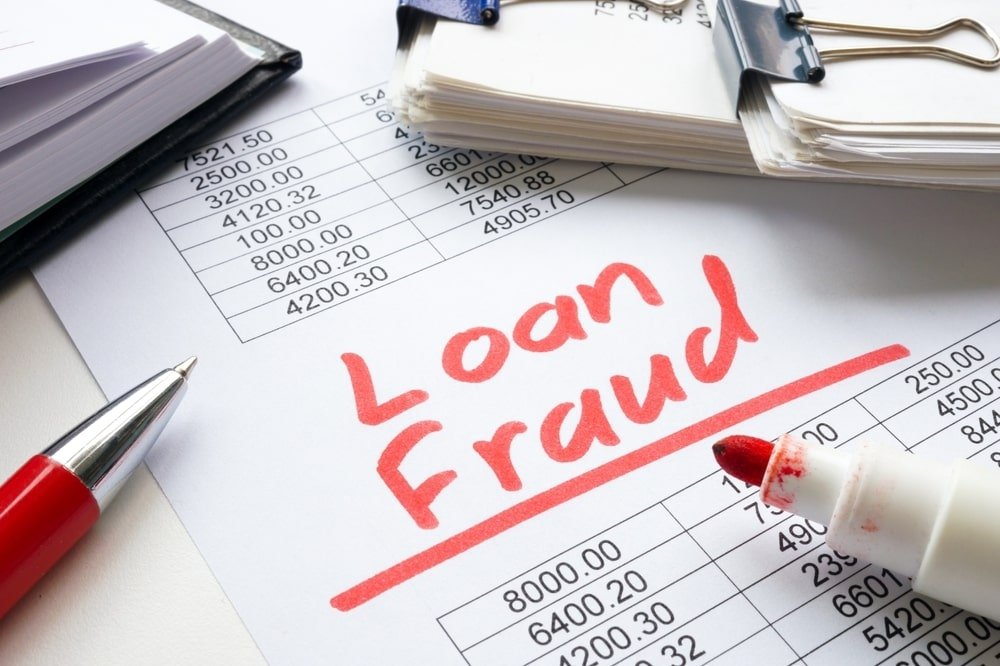

Bengaluru | Two men have been booked for allegedly cheating a nationalised bank out of ₹30 lakh by posing as employees of two of India’s leading IT companies and securing loans with forged documents. The accused allegedly presented themselves as highly paid professionals and obtained loan approvals using fake salary slips, fabricated employment records, and manipulated bank statements.
The alleged fraud came to light nearly two years after the loans were sanctioned. According to the complaint, the borrowers stopped repaying the loans, prompting the bank to conduct a detailed review of the documents submitted during the loan approval process. During the verification exercise, officials reportedly discovered several discrepancies, leading to a police complaint.
FCRF’s Flagship Cyber Law Certification Returns With a New Four-Week Cohort
According to the bank’s complaint, the two accused claimed to be employed by reputed IT firms and stated that they earned monthly salaries exceeding ₹1 lakh. Based on the documents provided and the income details declared by the applicants, the bank sanctioned loans of ₹15 lakh to each borrower, resulting in a total exposure of ₹30 lakh.
Suspicion arose when the borrowers repeatedly defaulted on their repayment obligations. As part of an internal review, the bank initiated verification of the employment records, salary certificates, and financial statements that had been submitted with the loan applications. Preliminary findings reportedly suggested that several of the documents may have been forged or tampered with.
Bank officials noted that obtaining a loan through false representations goes beyond a simple contractual default and may attract criminal liability under provisions related to cheating, forgery, and the use of forged documents. The matter has therefore been referred to law enforcement authorities for further investigation into how the documents were created and used.
Financial fraud experts say cases involving fabricated income proofs and fake employment credentials have become increasingly sophisticated in recent years. The widespread availability of digital editing tools has made it easier for fraudsters to create convincing-looking documents, posing significant challenges for lenders. As a result, many banks have strengthened their verification procedures by relying on direct employer confirmations, digital record checks, and multi-layered due diligence processes.
Investigators are now examining whether the accused acted alone or were assisted by a larger network involved in producing forged employment and financial records. Authorities are also looking into whether similar documents may have been used to obtain loans or financial benefits from other institutions.
The case highlights the importance of robust verification mechanisms in the banking sector and serves as a reminder that fraudulent claims involving reputed corporate employers can remain undetected for extended periods before eventually coming under scrutiny. As the investigation progresses, more details regarding the alleged loan fraud and the individuals involved are expected to emerge.
