

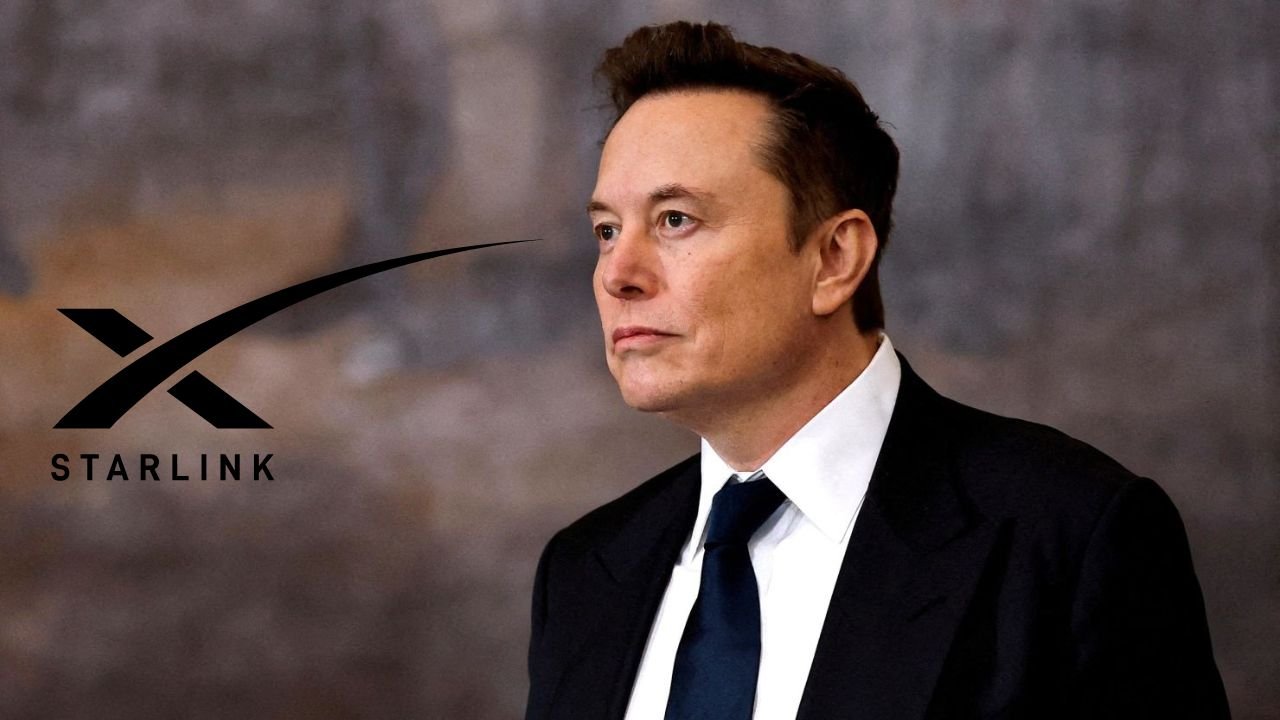

Uncertainty over who ordered restrictions on Starlink services used by Ukrainian forces has deepened after conflicting accounts from Elon Musk, US officials and media reports, even as Ukraine says the slowdown continues to affect military operations along parts of the front.
The Wall Street Journal reported, citing unnamed sources, that Musk ordered restrictions on a military-grade Starlink service used by Ukrainian forces. However, the accounts were not consistent, with some sources saying Musk acted independently and another saying he had discussed the matter with US President Donald Trump and other senior administration officials.
Musk later said on X that decisions on speed or usage limits were made by the US military and ultimately by the president. Secretary of State Marco Rubio, meanwhile, said decisions over Ukraine’s Starlink access were made by Musk and SpaceX rather than the White House.
FCRF’s Chief AI Officer Certification Returns on November 14 to Prepare Future AI Leaders
Ukraine Says Restrictions Are Still Affecting the Front
The slowdown reportedly began on October 14, four days after Trump criticised Ukraine for attacks on Russian refineries and Musk said Ukrainian President Volodymyr Zelensky had “gone too far”.
On October 19, Zelensky told a bipartisan US congressional delegation that Ukraine was still facing speed restrictions involving both Starlink and Starshield in different parts of the front.
The restrictions have affected military equipment that relies on satellite connectivity, including drones used near the front line and in strikes against Russian targets.
Ukraine has sought clarification over the restrictions and how they can be resolved, while SpaceX had not commented on the matter.
Musk and White House Give Conflicting Accounts
The dispute over responsibility remains unresolved.
According to the Wall Street Journal, some sources said Musk personally ordered the slowdown, while another account suggested he had spoken with Trump and senior officials before restrictions were imposed.
Musk rejected the suggestion that he was solely responsible, saying limits on speed or usage were decided by the US military and ultimately by the president.
Rubio, however, said decisions concerning Ukraine’s Starlink access were made by Musk and SpaceX, not the White House.
The conflicting statements have left uncertainty over who authorised the restrictions and whether the measures were imposed as a commercial, military or political decision.
Canada and EU Push Satellite Alternatives
The episode has renewed concerns over Ukraine’s dependence on US-controlled satellite communications for military operations.
Canada’s Telesat is developing a low-Earth-orbit broadband satellite network that it aims to launch in early 2028 and make available to allied countries, including Ukraine.
The European Union is also working to strengthen its own secure satellite communications through the GOVSATCOM programme and the IRIS multi-orbit constellation.
The projects are intended to reduce reliance on external providers and give European countries greater control over critical communications infrastructure.
For Ukraine, the immediate issue remains unresolved as Starlink and Starshield restrictions continue to affect parts of the battlefield while responsibility for the slowdown remains contested.
Follow for daily updates on cybercrime, corporate fraud, DFIR, hacking, investigations, and digital forensics
