

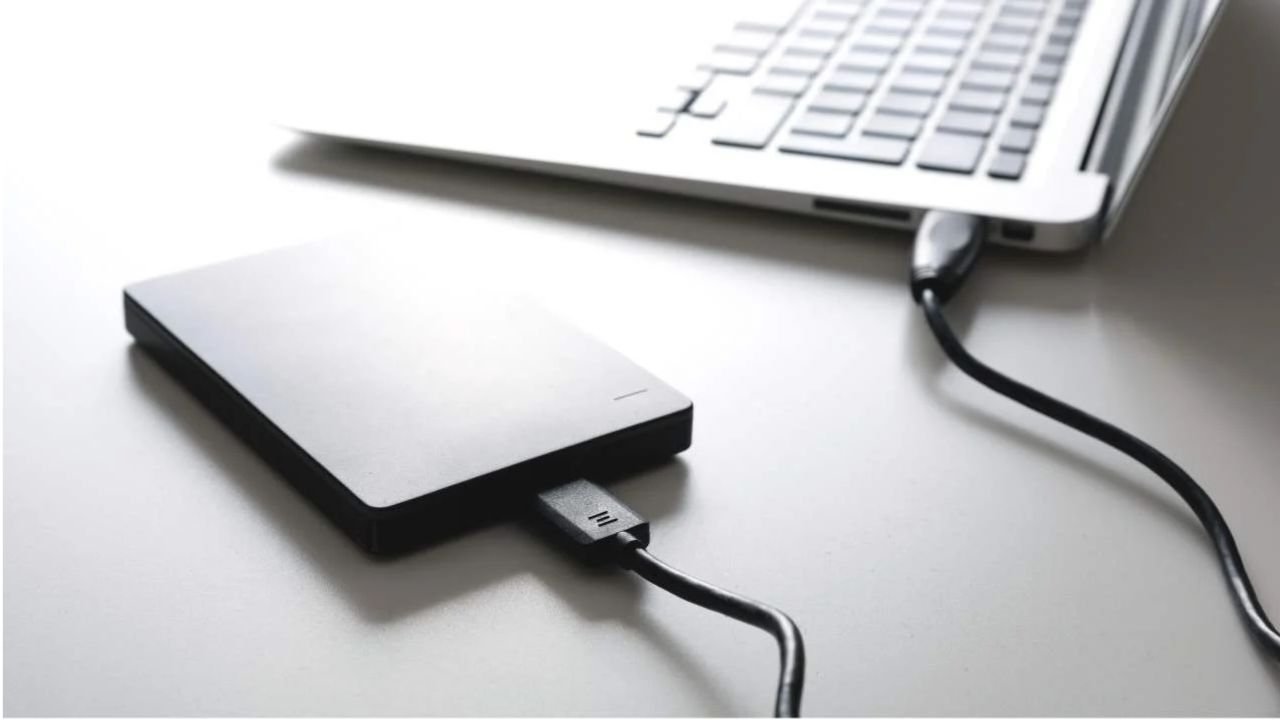

Microsoft will begin blocking some ReFS-formatted external storage devices from mounting on supported Windows platforms starting in January 2027, as part of a security hardening change affecting removable media.
The restriction will apply to qualifying external drives using ReFS, or Resilient File System. Microsoft said ReFS does not support removable storage devices such as USB disks, and the company is moving to restrict such unsupported configurations.
ReFS External Drives to Be Blocked From January
Microsoft introduced a security update on October 13, 2026, that began monitoring ReFS-formatted drives connected through external storage.
FCRF’s Chief AI Officer Certification Returns on November 14 to Prepare Future AI Leaders
From January 2027, the company plans to release another security update that will block qualifying external ReFS volumes from mounting unless an administrator explicitly changes the applicable setting.
The change will apply across supported Windows platforms.
Files Will Not Be Deleted
Microsoft said the restriction does not erase files stored on affected drives.
However, users may no longer be able to access those files through Windows once the blocking policy takes effect.
The change is expected to have limited impact on most consumers because external storage devices commonly use NTFS, FAT32 or exFAT rather than ReFS.
Users who rely on ReFS-formatted external storage still have time to move their data or make necessary configuration changes before enforcement begins.
Consumer Impact Expected to Be Limited
The planned restriction has drawn mixed reactions from users, with some viewing it as a sensible security measure and others questioning why Microsoft is limiting access to a file system it developed.
Some users also used the announcement to renew criticism of Windows, while others speculated about whether the change could be part of broader platform restrictions in the future.
For most users, the practical impact is expected to remain limited because commonly used USB drives and external disks generally rely on file systems that are not affected by the change.
Follow for daily updates on cybercrime, corporate fraud, DFIR, hacking, investigations, and digital forensics
