

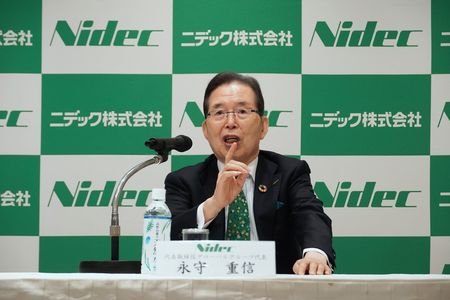

NEW DELHI: An investigation committee reviewing accounting fraud and financial irregularities at Japanese electric motor manufacturer Nidec Corporation has determined that nine senior leaders breached their duties, inflicting financial losses of roughly 27.6 billion yen, or around 16,000 crore rupees. The individuals identified include company founder Shigenobu Nagamori and five former presidents. The formal findings, made public on Tuesday, have brought renewed scrutiny to Japanese corporate oversight by documenting sustained delays in shedding high-risk assets alongside improper accounting entries carried out at an operating subsidiary.
Founder and Former Presidents Faulted for Extensive Duty Failures
The investigative panel concluded that nine senior figures bore direct responsibility for the massive financial harm suffered by the enterprise. Alongside founder Shigenobu Nagamori, five former corporate presidents, including Hiroshi Kobe and Mitsuya Kishida, were held accountable for organizational shortcomings. According to the report, Nagamori and Kobe committed duty breaches across most of the specific transactions evaluated by the inquiry. Investigators focused heavily on why senior management repeatedly declined to take timely measures against developing financial exposures, examining executive accountability surrounding the irregular accounting methods discovered at the subsidiary level. The panel concluded that serious defects in executive decision-making and weak internal risk management directly compounded the financial damage.
Unresolved Asset Risks and Mounting Impairment Expenses
A primary contributor to the total financial damage was the prolonged failure to dispose of deteriorating and risky assets on company books. When asset values plummet, corporations are obligated to record impairment losses in their financial statements, an outcome that expanded significantly as Nidec leadership postponed necessary asset sales. In addition to these asset write-downs, the manufacturer incurred substantial financial burdens tied to the investigation itself and related legal procedures. The report emphasized that these accumulated administrative costs heightened the company’s financial strain, pointing out that swift executive intervention to address the depreciating assets could have contained the ultimate scale of the losses.
Deepening Scrutiny on Japanese Corporate Governance
The accounting irregularities at Nidec were first uncovered last year, triggering a comprehensive inquiry into the company’s internal controls, managerial decisions, and the obligations of its executive suite. The findings presented on Tuesday underscore the significant risks associated with deferred disclosures and faulty asset valuations, which can distort financial statements and erode the trust of lenders and investors. While the panel has formally documented the damage and held the nine executives responsible, subsequent actions regarding individual liability and the recovery of lost capital remain undecided. The case has nevertheless heightened broader discussions across Japan regarding corporate accountability, board supervision, and the imperative for swift risk mitigation before financial missteps turn into severe balance sheet losses.
Follow for daily updates on cybercrime, corporate fraud, DFIR, hacking, investigations, and digital forensics
