

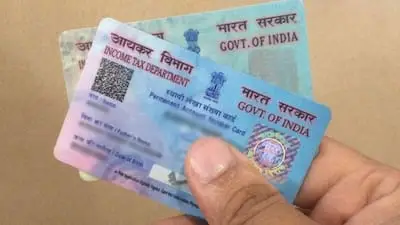
The Delhi High Court has cancelled a tax demand of nearly ₹4 crore against a cook over disputed PAN-linked transactions.
How Did the ₹4 Crore Tax Demand Arise?
The dispute began when Lalit, a cook who had worked at Hotel Ashoka and Vigyan Bhawan in Delhi, received an Income Tax Department notice on February 26, 2024. The department alleged that cash sales worth ₹24.62 crore had been recorded against his Permanent Account Number (PAN) through a packaging materials company.
Based on these transactions, tax authorities raised a demand of approximately ₹4 crore, treating the reported sales as grounds for assessing additional income. Lalit denied conducting such business or having any connection with the company. He maintained that his actual earnings were far below the amounts reflected in the tax records.
FCRF’s Chief AI Officer Certification Returns on November 14 to Prepare Future AI Leaders
How Was His PAN Allegedly Misused?
According to Lalit’s account, he had previously supplied copies of his PAN card to contractors for employment verification while working as a contract employee. He suspected that his identity information had subsequently been used without authorisation. After discovering the disputed transactions in his Form 26AS, which also reflected tax deducted at source, Lalit lodged identity theft complaints with police in Greater Kailash and the Cyber Cell at Saket.
His case highlighted how transactions recorded against a PAN can expose individuals to substantial tax demands even when their involvement remains disputed.
Why Did the High Court Cancel the Demand?
On October 6, 2026, the Delhi High Court cancelled the tax demand, finding significant shortcomings in the assessment. The court observed that the department had relied primarily on Form 26AS and information available through its portal without producing independent evidence establishing a connection between Lalit and the alleged cash sales.
It also questioned the absence of sufficient independent verification, including examination of the company or its owner. The court identified discrepancies involving the gross and net figures of a transaction being counted twice.
Lalit’s employment, financial circumstances, provident fund withdrawals and documents concerning his economically weaker section status were also considered. However, the court did not permanently rule out further proceedings. It left open the possibility of fresh action if reliable evidence emerged within the applicable legal time limits.
How Can Taxpayers Detect PAN Misuse?
The case underlines the importance of examining financial information associated with a PAN. Taxpayers can review Form 26AS and the Annual Information Statement (AIS) for unfamiliar transactions, tax deductions or financial activity.
The GST portal’s Search by PAN facility can also help identify registrations associated with a particular PAN. Where suspicious entries appear, individuals should preserve relevant records, report suspected identity theft to police or cybercrime authorities, and inform the Income Tax Department in writing. They should also respond to tax notices within the prescribed deadlines and seek professional assistance where necessary.
The420 Insight: An unfamiliar tax entry does not automatically establish fraud, but it requires prompt verification. Regular checks of PAN-linked records and preservation of supporting documents can help taxpayers challenge transactions they did not authorise.
Follow for daily updates on cybercrime, corporate fraud, DFIR, hacking, investigations, and digital forensics
