

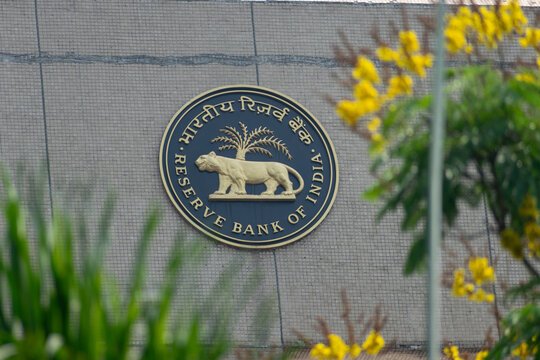
The Reserve Bank of India has expanded foreign exchange restrictions to support the rupee and limit speculative trading.
What Has the RBI Changed?
The Reserve Bank of India (RBI) on October 12 widened its recently introduced cash deposit requirement for foreign exchange derivatives to cover all such transactions undertaken by authorised banks. The earlier rules required banks to deposit 20% cash with the RBI for foreign exchange derivatives used by clients to hedge current-account exposures.
The expanded requirement now includes transactions through which banks hedge their own assets and liabilities, particularly contracts involving purchases of foreign currency against the rupee.
The move forms part of several measures introduced by the central bank to address pressure on the Indian currency.
Why Is the RBI Tightening Forex Rules?
The rupee has faced pressure from elevated oil prices and capital outflows, prompting the central bank to introduce measures aimed at supporting the currency. Bankers said the additional cash requirement would increase the cost of obtaining protection against further rupee depreciation.
Higher hedging costs could discourage excessive demand for such protection, which has contributed to pressure on the currency. The restrictions are intended to moderate demand in the foreign exchange market rather than prohibit legitimate hedging activities.
What Are the New NDF Restrictions?
The RBI has also tightened rules governing non-deliverable foreign exchange derivatives offered to clients. Banks operating through India’s International Financial Services Centre, along with certain primary dealers, previously had permission to offer non-deliverable rupee derivatives to non-resident clients for various purposes. These instruments can now be offered only for hedging.
Non-deliverable forwards, or NDFs, allow participants to manage or speculate on currency movements without exchanging the underlying currencies. Gains and losses are settled in cash, generally in dollars.
Restricting their use could reduce speculative positions against the rupee while preserving their role in managing genuine currency exposure.
How Has the Rupee Responded?
The Indian rupee gained approximately 1% on Monday following the central bank’s weekend measures.
The RBI also introduced a special facility allowing state-run oil refiners to obtain dollars directly from its foreign exchange reserves. This arrangement addresses dollar requirements among oil companies while the broader restrictions seek to contain demand for currency protection.
The measures reflect the RBI’s effort to support the rupee through tighter derivatives rules and targeted dollar supply.
The RBI’s latest measures show how currency stability concerns can influence banking regulations and foreign exchange transactions. By increasing hedging costs and restricting speculative derivatives activity, the central bank is seeking to reduce pressure on the rupee while retaining access to legitimate risk-management instruments.
Follow for daily updates on cybercrime, corporate fraud, DFIR, hacking, investigations, and digital forensics
