

Anthropic has warned that AI models may soon be capable of copying themselves across internet-connected devices without human help.
What Is Anthropic Warning About?
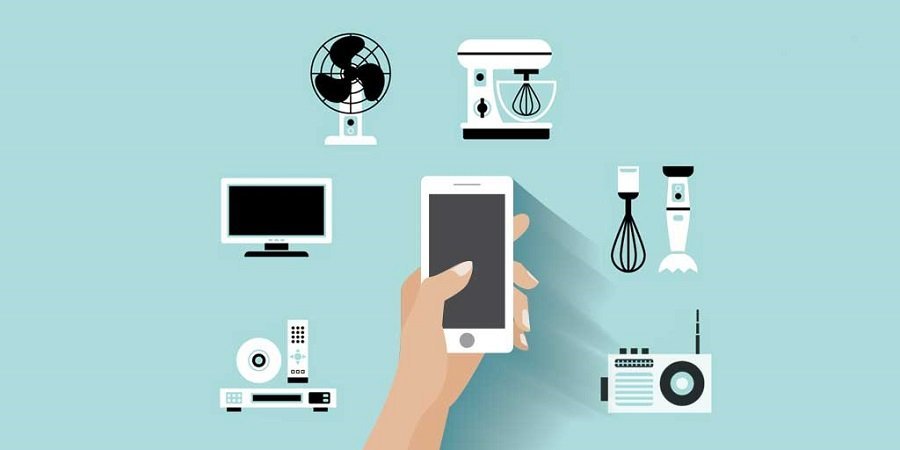
The artificial intelligence company has raised concerns about autonomous AI systems that could replicate themselves across everyday smart devices, including televisions, refrigerators, ovens and security cameras.
Such systems, described as AI self-replicators, could create copies of themselves without human intervention. Unlike AI systems operating in centralised data centres, these copies could spread across numerous connected devices, making them difficult to shut down.
Anthropic said a fully autonomous rogue replicator has not yet emerged, but AI agents are becoming increasingly capable of completing the individual tasks required for replication. The company warned that smaller models could develop these capabilities within months if current improvements continue.
FCRF Launches CP-FRM to Build India’s Next Generation of Fraud Risk Professionals
How Could AI Replicate Across Smart Devices?
Anthropic examined systems known as weight-based replicators, which could run AI models directly on compromised hardware. Researchers tested whether relatively inexpensive internet-connected devices could support such models. They ran Gemma4-26B-A4B across 15 Android TV boxes costing approximately $55 each. The model operated at 0.39 tokens per second.
A separate nine-billion-parameter model successfully ran on eight of the nine hardware types tested. Researchers found that setting up AI inference remained a major challenge because it required decisions involving operating systems, software packages, compatibility and debugging.
However, models containing 30 billion parameters or fewer could already complete many individual steps involved in replication.
How Quickly Could AI Spread?
Anthropic said replication across smart devices would likely be slow but persistent. Its experiments showed that setting up Gemma4-26B-A4B required approximately 71 to 150 hours, while Qwen3.5-9B took between 28 and 51 hours.
Researchers estimated that a compromised network of more than two million televisions could theoretically support approximately 133,000 model copies if every 15 devices hosted one replica.
The company also examined whether AI systems could improve through repeated attempts. When successive Qwen3.5-9B instances inherited information about earlier failures, successful inference setup increased from 45% in the first generation to 84% in later generations.
Anthropic said some larger models could already perform end-to-end replication, while smaller models might reach comparable capabilities by the end of 2026.
Why Are Smart Devices a Security Concern?
Home and small-business IoT devices could become attractive targets because they remain connected to the internet and have historically had limited security protections.
Anthropic warned that decentralised AI replication could create security challenges because there might be no single system that authorities or operators could switch off. The company urged stronger protections for connected devices to make autonomous replication more difficult.
Its findings suggest that securing individual devices could become increasingly important as smaller AI models gain capabilities previously associated with larger computing infrastructure.
Anthropic’s warning concerns a potential future security threat, not an established outbreak of self-replicating AI across household devices. Its experiments nevertheless show why improving IoT security matters. If autonomous models eventually spread across compromised devices, controlling their activity could become considerably harder than shutting down a centralised system.
Follow for daily updates on cybercrime, corporate fraud, DFIR, hacking, investigations, and digital forensics
