

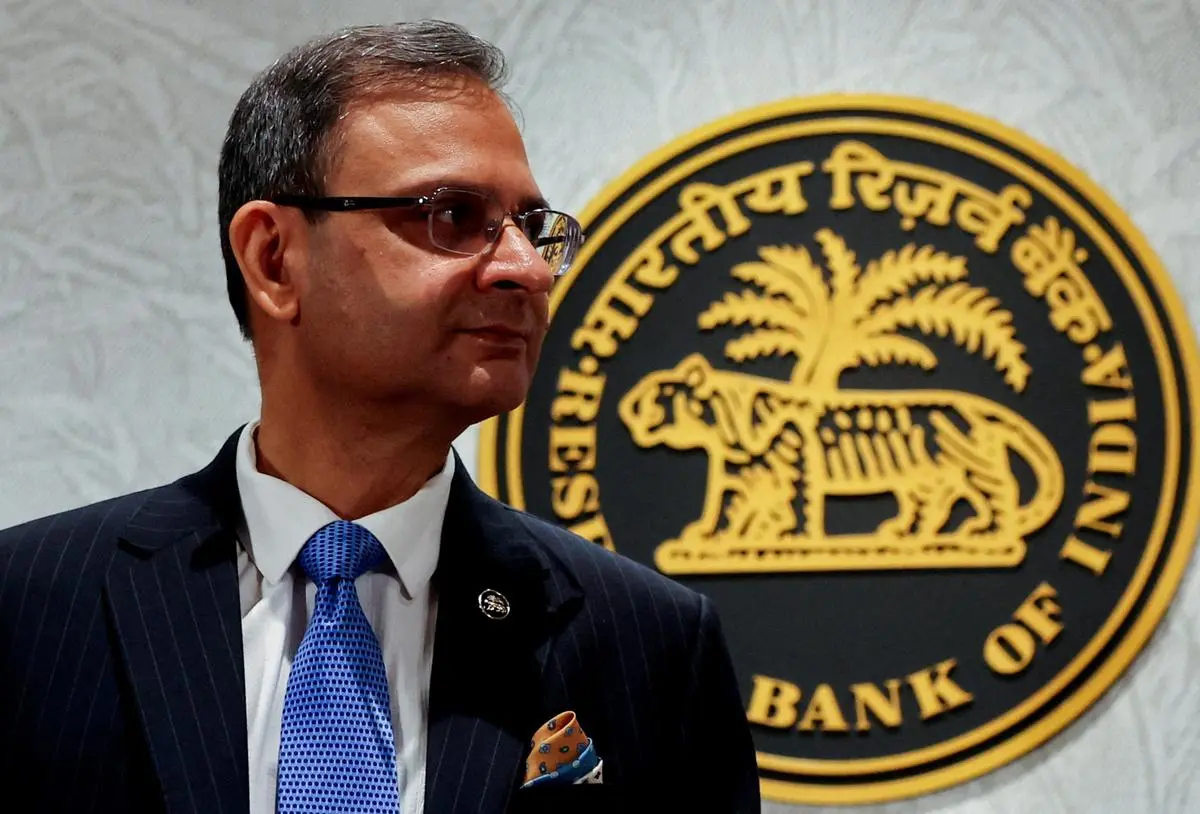

Reserve Bank of India Governor Sanjay Malhotra has said the new merchant fee on higher-value UPI payments is unlikely to cause a significant decline in transaction volumes when it comes into effect on October 15.
Malhotra said the central bank had not seen any indication so far that the new Merchant Discount Rate would weaken UPI usage.
He described the charge as relatively small and said he did not personally expect it to have a major effect on transaction volumes.
The remarks come as merchants, trade associations and payment companies prepare for one of the biggest changes to UPI pricing since the zero-MDR framework was introduced.
FCRF Launches CP-FRM to Build India’s Next Generation of Fraud Risk Professionals
What Changes From October 15
Under the new framework, selected person-to-merchant UPI payments above ₹2,000 will attract an MDR of 0.4%.
The charge will be paid by the merchant receiving the money.
For example, on a ₹10,000 eligible merchant payment, the MDR would be ₹40.
The fee is capped at ₹300 for transactions of ₹75,000 or more.
Customers are not supposed to be separately charged this fee simply because they choose UPI.
Person-to-person transfers remain free regardless of the amount.
Small Merchants Remain Exempt
The new framework does not apply uniformly to every shopkeeper or business.
Small merchants receiving up to ₹1 lakh per month through UPI QR payments will continue to have zero MDR.
The government says the overwhelming majority of ordinary UPI transactions will therefore remain outside the charge.
Only around 4% of person-to-merchant UPI transactions are above ₹2,000, according to government estimates cited by Indian Express.
That is one reason officials believe the overall impact on transaction volumes will remain limited.
Malhotra Says Small Fee Will Not Derail UPI Growth
Malhotra addressed concerns during the RBI’s post-policy interaction on October 7.
Asked whether merchants or consumers could move away from UPI because of the new fee, he said there was no evidence of such a shift so far.
“As of now, we do not see any drop in volumes,” Malhotra said.
He added that a small fee was unlikely to materially affect UPI usage.
His comments reflect the RBI’s broader confidence that UPI has become deeply embedded in India’s payment system.
Government Says UPI Cannot Remain Cost-Free Forever
The Centre has argued that payment infrastructure carries significant operating costs.
Banks, payment service providers and technology companies must maintain servers, fraud-prevention systems, customer support and settlement infrastructure.
The government says some form of revenue is needed to sustain investment in UPI as volumes continue to rise.
Officials have argued that permanent dependence on public subsidies could weaken incentives to invest in reliability, innovation and security.
The new MDR structure is intended to shift part of that cost toward larger commercial transactions.
Traders Have Already Pushed Back
The policy has faced resistance from retailers and trade associations.
Some traders have argued that the 0.4% charge could significantly reduce margins in businesses where profits are already thin.
Mobile retailers, petrol dealers and other merchant groups have organised or threatened “No UPI” protests in recent weeks.
The420.in has previously reported protests in Ghaziabad, Indore and among mobile retailers nationally over the new charge.
The concern is that merchants may prefer cash or other payment methods for larger purchases rather than absorb the processing fee.
Government Rejects Fears of a Shift Back to Cash
Government officials have dismissed fears that consumers or businesses will abandon UPI.
They argue that merchants already absorb higher MDR charges on many credit and debit card transactions without those payment methods disappearing.
Officials have described predictions of a major return to cash as misplaced.
The Centre has also said the fee will support the long-term sustainability of the UPI ecosystem.
Whether merchants accept that argument may become clearer after the new regime begins on October 15.
Merchants Are Not Supposed to Add a Separate UPI Surcharge
A major concern has been whether businesses will simply pass the MDR directly to customers.
The government and NPCI have said merchants should not levy a separate UPI fee on the buyer.
UPI application providers are also prohibited from imposing hidden platform charges under the current framework.
That means a customer buying an item priced at ₹5,000 should still pay ₹5,000.
The MDR is deducted or settled on the merchant side.
However, businesses could still respond indirectly by adjusting overall prices, margins or payment preferences.
GST Adds Another Layer for Merchants
The MDR itself may also attract Goods and Services Tax.
NPCI has said GST applies to the processing fee rather than to the full value of the UPI transaction.
For example, if a ₹10,000 transaction attracts ₹40 in MDR, GST would apply to that ₹40 charge rather than to the ₹10,000 payment.
Registered businesses may be able to claim input tax credit where applicable.
Some smaller businesses outside the GST registration system may not have the same ability to recover that cost.
That has added another concern for merchants operating on narrow margins.
Supreme Court Has Allowed Rollout to Continue
The policy is also facing a legal challenge.
The Supreme Court recently refused to stay the MDR framework but sought responses from the Centre, RBI and NPCI.
The petition questions the legal basis, transparency and structure of the charge.
The court has not ruled that the MDR is illegal.
The framework therefore remains scheduled to take effect on October 15 unless there is a fresh judicial or government intervention.
RBI’s View Will Soon Be Tested by Real Transactions
Malhotra’s assessment will now be tested once merchants actually begin paying the charge.
The most important indicators will be whether larger UPI merchant transactions decline, whether businesses begin preferring alternative payment methods and whether consumers face indirect pricing changes.
UPI has grown because it is fast, widely accepted and inexpensive.
The question is whether a limited merchant charge changes that behaviour or simply becomes another routine cost of accepting digital payments.
What this means for you
If you pay a merchant more than ₹2,000 through UPI after October 15, you should not normally see a separate 0.4% fee added to your payment. The merchant bears the MDR under the new framework, while person-to-person transfers and payments to exempt small merchants remain outside the charge.
Follow for daily updates on cybercrime, corporate fraud, DFIR, hacking, investigations, and digital forensics
