

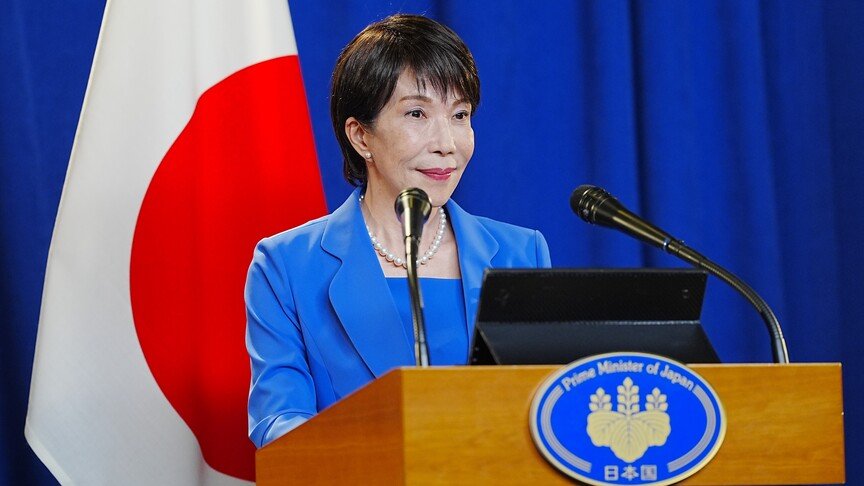
Japan is preparing for a major overhaul of its intelligence system. Prime Minister Sanae Takaichi has announced that her government will formulate the country’s first national intelligence strategy.
The process could eventually pave the way for the creation of an external intelligence agency similar to the United States’ Central Intelligence Agency (CIA), with a mandate to gather intelligence overseas. The initiative follows a proposal by the ruling Liberal Democratic Party (LDP) calling for the establishment of a dedicated external intelligence agency.
FCRF Launches CP-FRM to Build India’s Next Generation of Fraud Risk Professionals
Why Is Japan Overhauling Its Intelligence System?
At the first meeting of an expert panel on intelligence capabilities earlier this week, Takaichi said Japan must strengthen its intelligence capabilities to ensure public safety and protect national interests.
She indicated that the government would set out directions for reforms in the intelligence sector before unveiling the national strategy. The move could mark the beginning of a broader effort to reorganise and strengthen Japan’s existing intelligence framework.
Calls for a major overhaul of Japan’s intelligence-gathering network have intensified in recent months amid concerns over alleged intelligence activities by foreign powers.
The United States, Russia and China have been accused of using Japanese territory for intelligence operations. There is growing concern within Japan that the existing system may not be sufficient to effectively monitor and respond to such foreign activities.
What Other Security Changes Is Japan Considering?
The intelligence overhaul is part of broader changes taking place in Japan’s security sector in recent years. The country is also moving ahead with revisions to key policy documents covering national security, national defence and military supplies.
Japan is reviewing its defence and security policies earlier than scheduled amid challenges emerging from active battlefields in West Asia and Ukraine.
The expert panel also discussed cases involving alleged foreign espionage in Japan. One case involved an employee of a machinery company who was allegedly accused of providing confidential information to a person reportedly linked to Russian intelligence.
Such cases have added to the debate over strengthening Japan’s legal and institutional capabilities to counter foreign espionage.
Could Japan Get a CIA-Like Agency?
The LDP government has described strengthening Japan’s intelligence-gathering capabilities as an urgent requirement. It has also called for appropriate legislation to improve the country’s ability to counter foreign espionage and related security threats.
The proposed reforms could seek to establish stronger coordination between Japan’s domestic and external intelligence capabilities while creating a more structured system for gathering and analysing information.
Who Is Examining the Proposed Reforms?
The expert panel examining the proposed intelligence reforms has 17 members and is headed by Toshiya Watanabe, professor emeritus at the University of Tokyo. Takaichi also attended the panel’s inaugural meeting. Some members have called for consultation with the public and the international community before Japan moves ahead with the proposed changes.
The government is therefore expected to consider not only the creation of a new agency but also the legal framework governing its powers, responsibilities and operations.
Japanese authorities are also studying measures adopted by countries such as the United States, Britain, France, Australia and Canada to counter foreign espionage and terrorism.
These countries have introduced security and surveillance measures alongside safeguards intended to prevent abuse, protect press freedom and safeguard citizens’ privacy.
How Will Japan Address Privacy Concerns?
Japan is expected to face a similar challenge as it considers expanding its intelligence capabilities. The proposed reforms will have to address national security requirements while establishing safeguards around surveillance powers and the use of sensitive intelligence.
The government’s forthcoming national intelligence strategy is therefore likely to determine how Japan balances stronger intelligence capabilities with transparency, privacy and other civil liberties.
The420 Takeaway
Japan’s first national intelligence strategy could reshape how the country collects and coordinates security intelligence, particularly overseas. The crucial issue will be whether any CIA-like agency is accompanied by clear legal limits, independent oversight and safeguards protecting privacy and press freedom.
About the author — Ayesha Aayat writes on cybercrime, digital safety, and emerging online threats. Her work focuses on public awareness, legal clarity, and technology-driven risks.
Follow for daily updates on cybercrime, corporate fraud, DFIR, hacking, investigations, and digital forensics
