

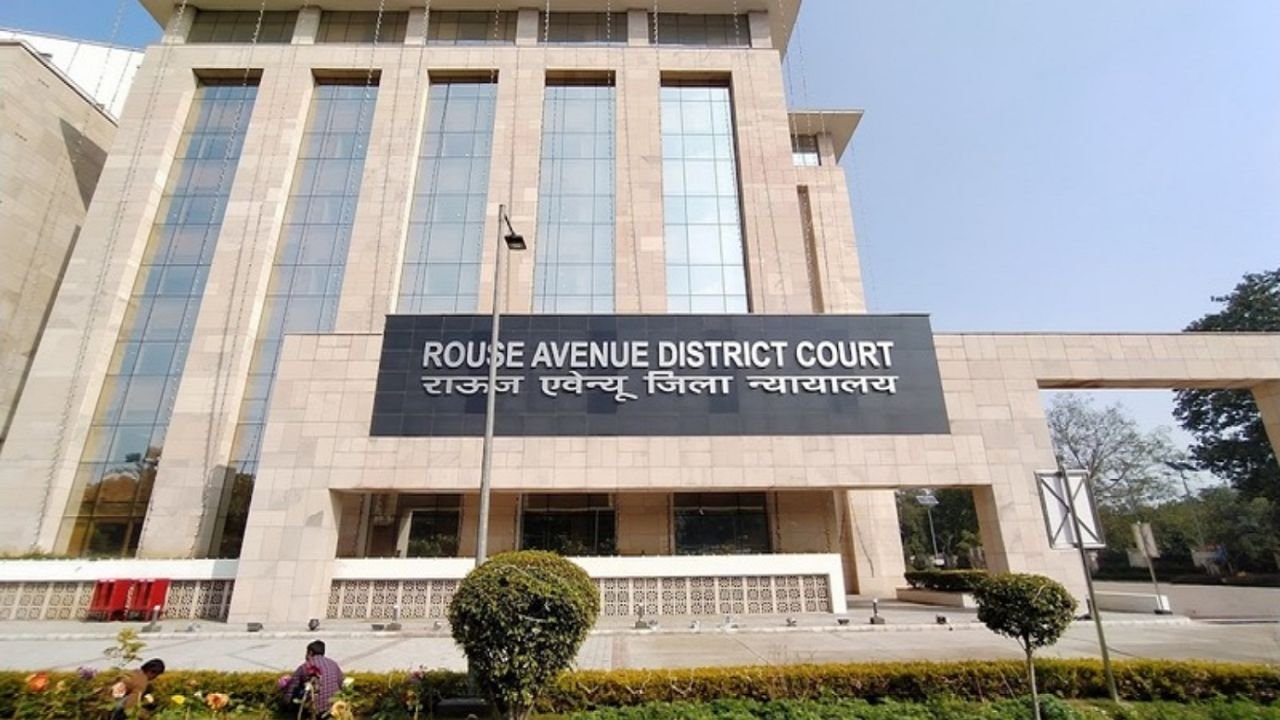

New Delhi. A Delhi court has raised serious questions over the functioning of the Anti-Corruption Branch (ACB) during its investigation into the alleged ₹700-crore medical equipment procurement scam. The court flagged alleged repetition of material from the previous day’s case diary and the absence of dates on two additional disclosure statements of key accused Rajiv Rangila. It directed the ACB Joint Commissioner of Police (JCP) to take remedial measures to ensure that the investigation remains fair, impartial and independent.
Special Judge Vidya Prakash of the Rouse Avenue Court recorded the irregularities in an order dated September 29. The ACB filed a nearly 12,000-page chargesheet in the case earlier this month. The investigation concerns alleged irregularities in the procurement of medicines, surgical items, medical equipment and other consumables for Delhi government hospitals and healthcare facilities.
FCRF Launches CP-FRM to Build India’s Next Generation of Fraud Risk Professionals
The court specifically flagged discrepancies in Case Diary No. 94. The September 27 diary recorded that accused Rajiv Rangila had led the investigating officer, ACP Dharmender Kumar Singh, and his team to several locations in Rishikesh, Uttarakhand. However, the court noted that the diary was completely silent about the proceedings, if any, carried out there.
In contrast, Case Diary No. 93, dated September 26, recorded that Rangila had led the investigating team to several locations in Karnal, Haryana. The team returned to Delhi the same day. The court observed that the material portions of Case Diaries 93 and 94 were identical, creating an impression that the relevant portion of the September 26 diary had been copied and pasted into the September 27 record.
The court noted that such discrepancies are significant because a case diary is an official record of the progress and actions taken during an investigation. Accurate and contemporaneous recording of investigative proceedings is important for maintaining the credibility of the investigation and the material collected during it.
The court also pointed to another lapse concerning Rangila’s questioning. According to the police records, he was interrogated on September 25 and September 28. However, the two documents described as his “Additional Disclosure Statements” did not mention the dates on which they were allegedly recorded.
The court observed that this was not the first occasion on which it had expressed displeasure over the manner in which the investigation was being conducted. It had earlier directed the JCP to closely and personally monitor the probe. Despite those directions, the court said, there appeared to have been no significant change in the conduct of the investigating officer. It observed that its earlier detailed observations appeared not to have produced the desired result.
The ACB is investigating former Delhi Directorate General of Health Services chief Dr Vatsala Aggarwal, former Central Procurement Agency deputy controller of accounts Neeraj Chopra, former CPA head of office Dr Vinod Kumar Ranga and pharmaceutical trader Rajiv Rangila, among others. The chargesheet names three public servants and two private entities.
The ACB has alleged that medicines, surgical items and other medical consumables were procured through illegal means by violating prescribed rules and procedures, allegedly resulting in illegal gains and loss to the state exchequer. The agency has described Rangila as a key conspirator and alleged that he submitted bids through fake companies and connived with public servants, including Dr Ranga and Dr Aggarwal, to influence tender terms and technical specifications.
According to the agency, tender conditions included stringent experience and performance requirements that allegedly discouraged other potential bidders and facilitated the diversion of government funds. Rangila has also been accused of owning, controlling or managing several firms that secured tenders for medical equipment, surgical items and consumables despite allegedly failing to meet prescribed eligibility criteria and technical specifications.
The ACB has said that questioning Rangila brought to light the alleged role of other public servants and private individuals in the case. He was arrested on September 24 after returning from the United States and surrendering before the agency. Earlier, on June 30, he had allegedly left the country after being granted anticipatory bail in a separate alleged extortion case.
Follow for daily updates on cybercrime, corporate fraud, DFIR, hacking, investigations, and digital forensics
