

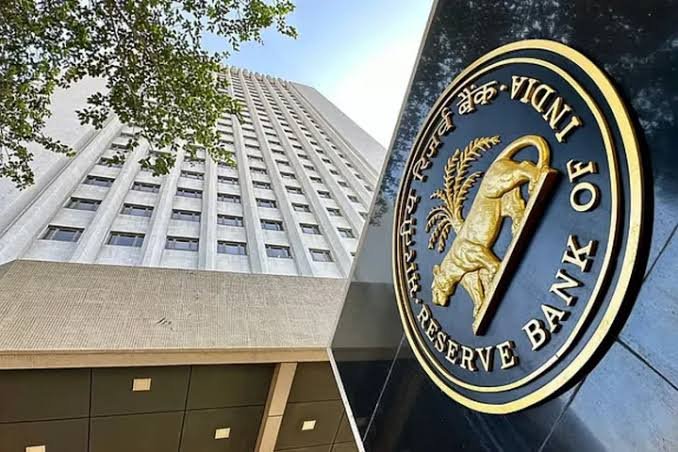

Indian banks have left a substantial portion of future interest payments on more than $127 billion in foreign-currency deposits unhedged, creating a potential source of dollar demand if the rupee weakens again.
The concern was raised by five bankers who spoke to Reuters on September 8. The Reserve Bank of India’s special swap facility protects lenders against exchange-rate movements on the deposits’ principal, but banks must manage the currency risk on interest payments themselves.
Foreign banks have largely hedged their exposure, according to the bankers. Most state-owned lenders and several private-sector Indian banks have not, citing high hedging costs and the rupee’s recent recovery.
The situation does not amount to an immediate banking crisis. It is a future currency-management risk that could become more expensive if the rupee depreciates sharply or several banks seek dollars at the same time.
Proposal for Conducting Cyber Crisis Drill, Tabletop Exercise (TTEx) & CCMP Readiness Exercise
How India Attracted More Than $127 Billion
The RBI introduced a special dollar-rupee swap facility in June 2026 as part of measures to strengthen India’s balance of payments during a period of elevated crude oil prices and currency pressure.
The facility encouraged banks to mobilise foreign-currency deposits, particularly from non-resident Indians. The RBI’s figures showed that Foreign Currency Non-Resident (Bank), or FCNR(B), deposits had reached approximately $127.2 billion by August 31.
Total foreign-currency mobilisation through the broader arrangements exceeded $136 billion, including other overseas borrowing channels.
The scale of the inflows helped increase foreign-exchange availability and supported the rupee. It also added substantial rupee liquidity to the banking system, creating a separate challenge for the central bank in managing money-market conditions.
The special FCNR(B) deposit window closed on August 31, a month earlier than originally scheduled, following the strong response.
What Is an FCNR(B) Deposit?
An FCNR(B) deposit is a bank deposit held in a foreign currency by an eligible non-resident Indian.
Unlike an ordinary rupee fixed deposit, the principal and interest are denominated in a foreign currency, such as the US dollar. This means the bank must eventually repay the depositor in that currency.
For example, if a customer deposits $10,000, the bank owes the customer dollars rather than a fixed amount of rupees. The bank therefore needs a way to manage the risk that dollars become more expensive before repayment.
The RBI’s special swap arrangement addresses much of that principal risk. The interest obligation, however, remains a separate exposure for lenders.
How the RBI Swap Protects Principal
A foreign-exchange swap is an agreement to exchange currencies now and reverse the transaction at a future date under agreed terms.
Under the special arrangement, banks can exchange the dollars they mobilise for rupees through the RBI and obtain protection for the principal amount when the transaction is reversed.
This reduces uncertainty over the future rupee cost of repaying the original deposit.
It does not automatically cover every dollar of interest that the bank has promised to pay. Banks must arrange their own protection for that additional obligation.
The distinction is crucial: the $127 billion principal is not the same as the unhedged interest exposure. The latter is a smaller amount that accumulates according to deposit rates, maturities and payment terms.
Why Banks Are Leaving Interest Unhedged
Reuters reported that hedging the interest exposure on three- to five-year deposits, where interest is paid at maturity, costs approximately three per cent annually.
A hedge allows a bank to lock in a future exchange rate or otherwise reduce the risk of a currency movement. The protection comes at a cost, and some lenders have decided that paying for it now is less attractive than purchasing dollars when interest becomes due.
One state-owned bank official said the lender currently expects to manage the interest payments through spot dollar purchases.
The recent rupee rally, supported by RBI intervention, has also reduced the perceived urgency of hedging. Some traders believe favourable developments could produce a sharp rupee recovery, while the central bank may cushion renewed weakness.
That expectation is not guaranteed. A strategy that appears economical while the currency is stable can become costly when exchange rates move against it.
What Happens If the Rupee Falls to ₹96–97?
The risk becomes clearer through a simple example.
Suppose a bank owes $1 million in interest. At ₹94 per dollar, purchasing the dollars would cost ₹9.4 crore. At ₹97, the same obligation would cost ₹9.7 crore.
The difference is ₹30 lakh on that one payment. The actual impact on a bank would depend on its interest obligations, existing hedges, funding arrangements and the exchange rate at the time of payment.
A private-sector bank foreign-exchange trader told Reuters that movement towards ₹96–97 per dollar could prompt lenders to reconsider their limited hedging.
If many banks respond by buying dollars, that demand could itself add pressure to the rupee. This is the potential feedback loop identified by the bankers.
The ₹96–97 range is a market participant’s assessment, not a predicted exchange rate or an RBI policy threshold.
Oil Prices and US Rates Add to the Pressure
The currency risk is emerging against a difficult external backdrop.
Brent crude has again approached $100 a barrel. India imports a large share of its crude oil requirements, so higher prices can increase the amount of dollars needed to pay for imports.
The US monetary-policy outlook is another factor. Markets have been pricing a significant possibility of a Federal Reserve rate increase, which could support the dollar and make emerging-market assets less attractive.
On September 8, the rupee recorded its sharpest daily fall in more than a month and closed at ₹94.8175 per dollar. Reuters reported that state-run banks likely intervened on behalf of the RBI to limit the decline.
These pressures do not mean the rupee will necessarily continue weakening. They do, however, make the cost of leaving future dollar obligations unhedged more uncertain.
Is There a Risk to Depositors or Bank Stability?
The available reporting does not establish that banks are unable to repay the deposits or that the principal is at immediate risk.
The concern is primarily about the cost of servicing interest and the potential impact of concentrated dollar purchases on the currency market.
Banks can manage foreign-exchange exposure through hedges, dollar assets, future inflows and other treasury arrangements. The precise position of individual lenders has not been disclosed.
The RBI’s swap facility also provides substantial protection on the principal, which is the largest part of the liability.
The issue is therefore better understood as a risk-management challenge rather than evidence of a banking-sector solvency crisis.
What the RBI and Banks Will Have to Watch
The coming months will test whether lenders continue relying on future spot purchases or gradually increase their hedging.
Important factors include the rupee’s movement, the cost of forward contracts, the maturity profile of deposits and the availability of dollars in the banking system.
The RBI will also have to manage the broader consequences of the large inflows, including excess rupee liquidity and the future unwinding of swap arrangements.
The central bank has not publicly provided a detailed assessment of the interest-hedging exposure identified by Reuters. A clearer bank-by-bank picture would help distinguish manageable treasury positions from concentrations that could create market stress.
The420 Insight: The RBI’s facility has successfully attracted a large pool of foreign currency, but it has also created future obligations that banks must manage carefully. The principal protection is substantial; the unresolved question is how much interest exposure remains open and when those payments fall due. A sudden rush to hedge could amplify currency pressure, while delaying protection may increase costs if the rupee depreciates. Greater transparency around aggregate maturity and hedging profiles would help markets assess the risk without confusing it with an immediate banking crisis.
https://www.linkedin.com/company/policetechnology/
Follow for daily updates on cybercrime, corporate fraud, DFIR, hacking, investigations, and digital forensics
