

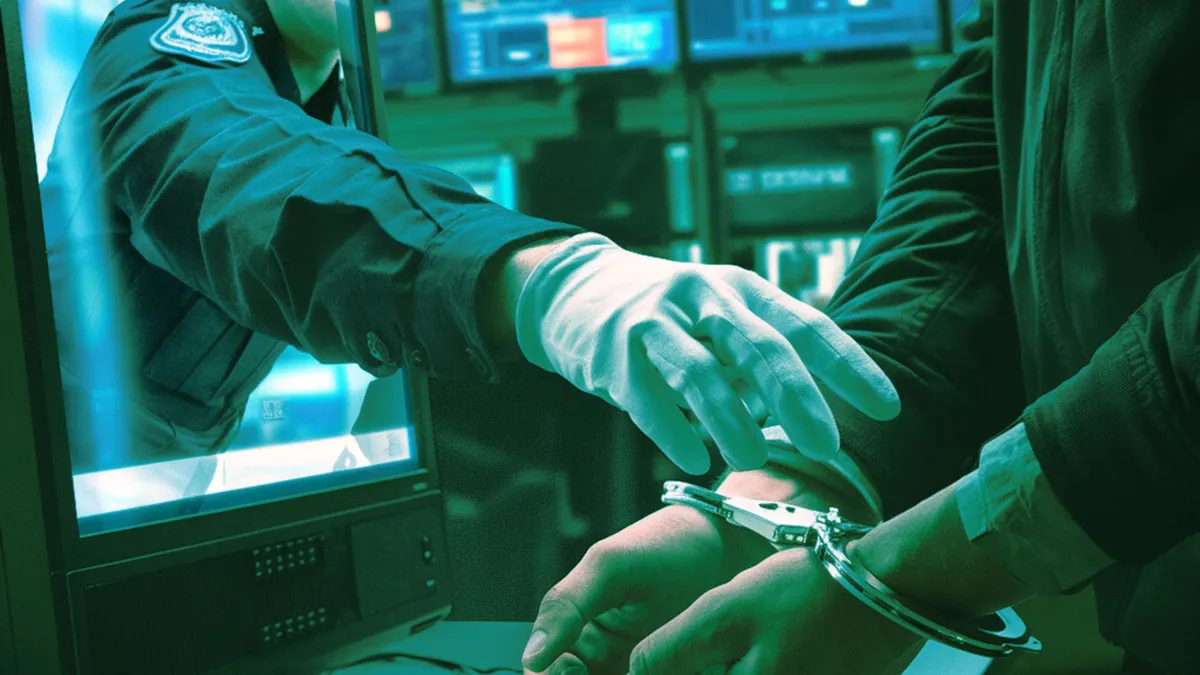

A retired teacher couple from Khed taluka allegedly lost ₹68.80 lakh after cybercriminals posing as police officers threatened them with arrest, confined them to their home through video calls and forced them to transfer their savings over more than a month.
The fraud began on July 29 when a 74-year-old woman received a WhatsApp video call from a man claiming to be Sub-Inspector Sandeep Rao of Worli police. He alleged that an illegal transaction worth ₹2 crore had taken place through a bank account in her name.
The callers later impersonated senior IPS officer Vishwas Nangre Patil and demanded details of the couple’s finances. The fraud continued until September 1, and the couple approached Khed police after discovering the deception on September 4.
Proposal for Conducting Cyber Crisis Drill, Tabletop Exercise (TTEx) & CCMP Readiness Exercise
A ₹2 Crore Transaction That the Victim Denied
The first caller appeared in police uniform and told the retired teacher that a criminal case would be registered against her over the alleged transaction.
She denied owning the bank account mentioned by the caller and said she had no involvement in any illegal activity. The man then connected her to another person who introduced himself as Vishwas Nangre Patil.
During a conversation lasting approximately two hours, the second caller allegedly asked about the couple’s bank and post office savings, LIC policies and gold holdings.
When the woman explained that she and her husband were elderly and could not travel to Mumbai, the scammers offered to help them avoid arrest. They instructed the couple to transfer their money into accounts presented as government accounts, promising that it would be returned after verification.
₹40 Lakh Transferred, Then Gold and Insurance Targeted
Fearing legal action, the couple initially transferred ₹40 lakh from their post office savings accounts to the accounts provided by the fraudsters.
A few days later, the callers allegedly instructed them to pledge their gold with a gold-loan company and transfer the proceeds into the same network of accounts.
The demands did not stop there. When the woman asked for her money back, the scammers claimed the investigation was in its final stage and that additional payments were necessary before the funds could be released.
The couple subsequently surrendered their LIC policies and transferred the proceeds. By September 1, their total reported loss had reached ₹68.80 lakh.
The available reporting does not provide a transaction-by-transaction breakdown of the remaining ₹28.80 lakh or establish the value of each insurance policy and gold loan.
‘I Am Safe at Home’ Every Two Hours
The scammers allegedly told the couple that they were under “digital arrest” and were not permitted to leave their house.
They were instructed to send a WhatsApp message reading “I am safe at home” every two hours. The woman was warned that stepping outside would result in her arrest.
The repeated messages served as a method of control. By keeping the couple isolated and requiring regular check-ins, the callers could maintain pressure and reduce the chance that they would seek advice from family, neighbours or genuine police officers.
The threats were entirely fraudulent. Indian law does not recognise a procedure in which police place someone under arrest through a WhatsApp or video call and require money to be transferred for verification.
A Television Appearance Exposed the Impersonation
The fraud came to light on September 4 when the couple watched a television report about Dahi Handi celebrations featuring the real Vishwas Nangre Patil.
Seeing the officer on television made them realise that the person they had been speaking to was an impersonator.
They then approached Khed police, who registered an FIR and began investigating the phone number and bank accounts used by the suspected fraudsters.
Nangre Patil has previously issued public advisories after his identity was misused in cyber frauds. His name being used in this case does not suggest that he had any involvement in the crime.
No arrest or recovery of funds has been confirmed in the available reporting.
How a Digital Arrest Scam Creates Fear
A digital arrest scam is a form of cyber fraud in which criminals pretend to be police, investigative agencies or other government officials and falsely claim that the victim is involved in a serious offence.
They may use uniforms, official-looking documents, video calls and threats of immediate arrest to make the allegation appear credible.
The victim is then told to remain on the call, avoid speaking to others and transfer money into a supposed government or verification account. The money is actually sent to accounts controlled by the fraudsters or their associates.
In this case, the alleged ₹2 crore transaction created the initial fear. The impersonation of a senior officer provided apparent authority, while the promise of returning the money encouraged the couple to comply with repeated demands.
The report does not establish that the scammers used artificial intelligence or a cloned voice. Impersonation can be carried out through ordinary video calls, false identities and psychological pressure.
What This Case Reveals About Retirement Savings Fraud
The victims’ age and financial circumstances made the alleged threats particularly damaging. The scammers did not merely demand a single payment; they gathered information about the couple’s different assets and continued extracting money as each source was exhausted.
Post office savings, gold and life insurance policies represent different forms of financial security. By targeting all three, the fraudsters allegedly converted a false criminal accusation into a prolonged attack on the couple’s retirement resources.
The case also shows why an apparent small sign of official authority, such as a uniform or a familiar officer’s name, should not replace independent verification.
What this means for you: If someone claims you are under “digital arrest”, disconnect the call and contact the police through an independently verified number. Do not transfer money to a supposed government verification account, pledge gold or surrender insurance policies on a caller’s instructions. If you have already paid, contact your bank immediately, call 1930 and report the fraud at cybercrime.gov.in. Preserve messages, phone numbers, account details and transaction receipts.
https://www.linkedin.com/company/policetechnology/
Follow for daily updates on cybercrime, corporate fraud, DFIR, hacking, investigations, and digital forensics
