

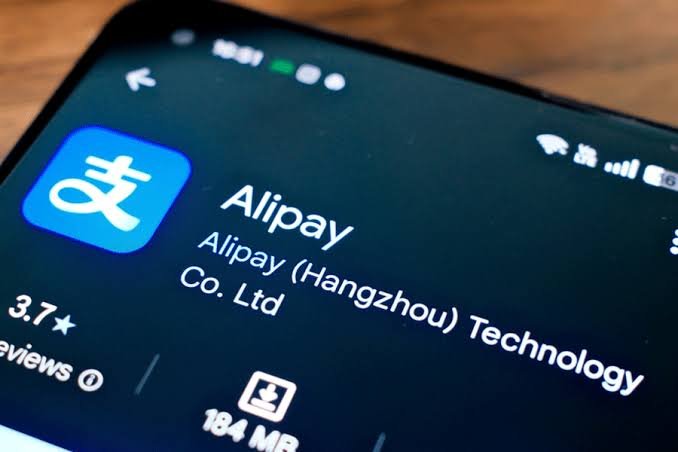

India has stalled a proposal that could have allowed Indian travellers to use UPI through the Alipay+ network across China, Hong Kong and other parts of Asia, after security agencies raised concerns over customer data, cyber fraud and possible money laundering risks.
The proposal was submitted by Alipay+ in January 2026. It would have connected India’s Unified Payments Interface with a massive international merchant network operated by Singapore-based Ant International. The company was separated from China’s Ant Group in 2024.
For Indian travellers, the idea was simple. Instead of relying on cards, foreign currency or separate payment apps abroad, they could potentially have used a UPI-linked service at millions of overseas merchants.
But behind that convenience sits a much harder question: what happens to an Indian customer’s transaction data once a domestic payment system connects with a foreign network?
Algoritha Security Launches ‘Make in India’ Cyber Lab for Educational Institutions
Security Agencies Flag Data and Cyber Fraud Risks
Three people familiar with the discussions told Reuters that national security and data concerns have stalled the proposal.
Indian law enforcement agencies reportedly raised questions over possible data breaches, misuse of customer information, cyber fraud and money laundering. Officials were also examining how transaction data would be processed, stored and managed, and how disputes would be handled.
The Ministry of External Affairs cited “political grounds” while the proposal was being examined, according to one of the sources quoted by Reuters.
Neither the Ministry of Finance, Ministry of Home Affairs, RBI, NPCI nor Ant International publicly commented on the matter in the Reuters report. This means the exact technical objections have not been officially disclosed.
The proposal therefore appears stalled rather than formally rejected.
That distinction matters. India has been actively trying to expand UPI internationally and has already linked or extended its payment infrastructure to several foreign markets.
What Does Linking Two Payment Systems Actually Mean?
UPI is India’s instant bank-to-bank payment system. When a person scans a QR code or sends money through a UPI app, banks and payment networks exchange instructions in seconds to complete the transaction.
A cross-border payment linkage connects that domestic system with another country or payment network.
Think of it as building a bridge between two otherwise separate digital payment roads. A customer may continue using a familiar payment interface, but transaction information has to travel across multiple financial systems before the merchant receives money.
That raises questions about data localisation and data access.
Data localisation broadly means keeping certain information within a country or ensuring that regulators can control where it is stored. In cross-border payments, authorities also need clarity over what customer information travels abroad, which companies can see it and how long it remains stored.
These questions become especially sensitive when payment information could reveal spending habits, travel locations, merchant details and other behavioural patterns.
India Already Has a Model With Singapore
India is not opposed to connecting UPI with foreign payment systems.
In February 2023, the Reserve Bank of India and the Monetary Authority of Singapore launched the UPI-PayNow linkage. It allows users of participating institutions to make instant cross-border transfers between India and Singapore.
The RBI has also been working with other countries on similar arrangements and joined Project Nexus, an international initiative designed to connect fast-payment systems across borders.
That makes the Alipay+ decision particularly significant.
The concern is not simply that UPI would connect to another foreign platform. It is the Chinese linkage of the company involved and the greater level of scrutiny that Indian authorities apply to such entities.
Relations between India and China changed sharply after the deadly border clashes of 2020.
That same year, the Union Government introduced rules requiring government approval for investments from countries sharing a land border with India, including China. The stated purpose was to prevent opportunistic acquisitions of Indian companies.
Although some restrictions involving Chinese businesses have eased since then, financial services remain among the most sensitive areas.
A Huge Commercial Opportunity Is Also at Stake
The proposed Alipay+ integration was potentially enormous.
Reuters previously reported that Alipay+ connects more than 1.8 billion consumer accounts with around 150 million merchants across more than 100 markets.
Under the proposed first phase, Indians travelling through China, Hong Kong and other Asian destinations could have made payments through the network.
A later phase could have allowed foreign travellers using Alipay+ to make payments in India.
The economic opportunity is substantial. Cross-border payments originating from the Asia-Pacific region are expected to reach about $23.8 trillion by 2032, according to FXC Intelligence data cited by Reuters.
For India, internationalising UPI could reduce dependence on traditional card networks and make overseas payments cheaper and easier.
But every additional connection also expands the number of systems handling financial information.
That is why the Alipay+ proposal has become more than a fintech partnership.
It is now a test of how far India is prepared to expand its digital payment infrastructure when commercial convenience collides with cybersecurity, financial surveillance concerns and geopolitical distrust.
What this means for you:
A foreign UPI connection may make overseas payments easier, but users should also know who processes and stores their transaction data. Cross-border convenience should come with clear safeguards on data access, fraud liability and dispute resolution.
https://www.linkedin.com/company/policetechnology/home/
