

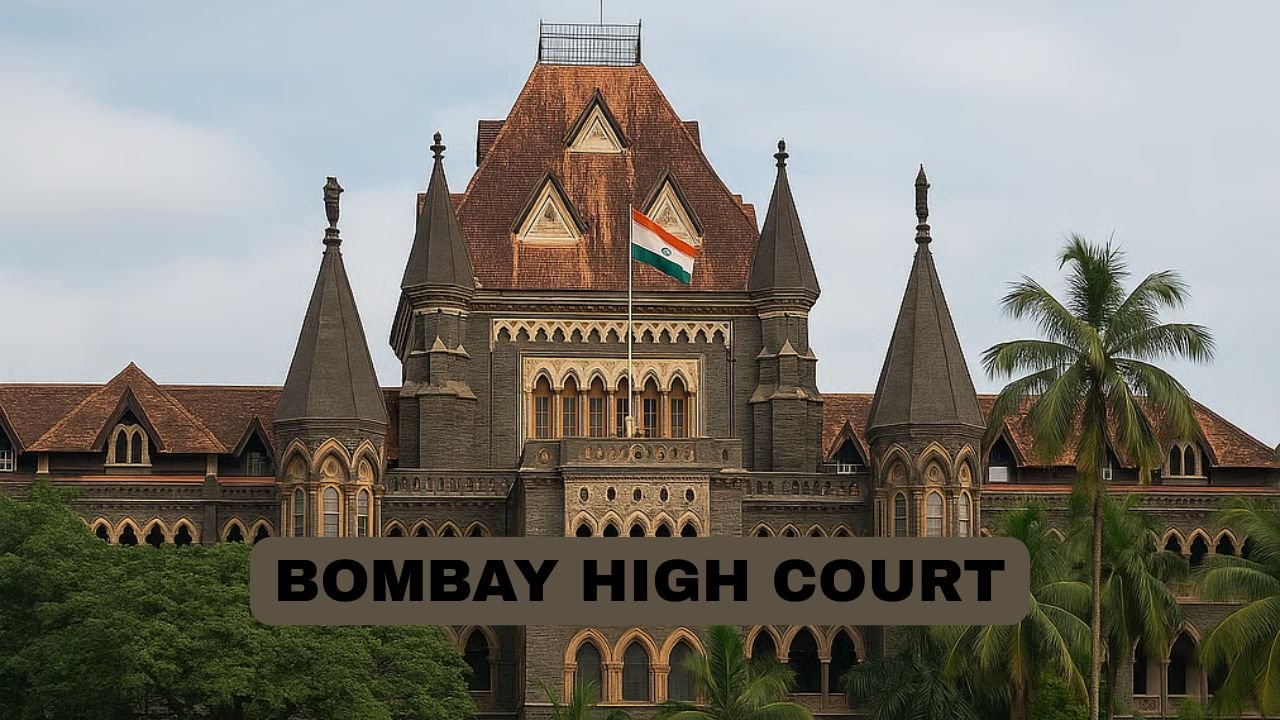

Mumbai: A special MPID court in Mumbai has rejected the bail plea of Naeem Sarvar Musa Anjum, alias Nayeem Sarwar Moosa Anjum, an accused in the alleged ₹61.10-crore investment fraud linked to Dream Sunshine Digital Pvt Ltd. The case involves allegations that thousands of investors were lured into investment schemes with promises of attractive returns. The court observed that the alleged fraud was large in scale and that, given Anjum’s alleged links with the absconding company directors, granting bail could create a risk of influencing witnesses and interfering with the ongoing investigation.
Special MPID Judge Vikram R. Jagdale rejected the bail application after strong opposition from the prosecution and lawyers representing investors. The Economic Offences Wing (EOW) had registered a cheating case against individuals associated with the company. According to investigators, Dream Sunshine Digital offered investment opportunities linked to businesses involving mineral water, sugar, dates and construction, allegedly promising returns of around 5% along with high profits.
Alleged fraud involving 2,907 investors
According to police, at least 2,907 investors were allegedly cheated of more than ₹61.10 crore in the case. However, the prosecution told the court that the number of affected investors could exceed 10,000 as the investigation continues and more victims are coming forward.
The accused named in the case include Amanat Ali Ansari, Abdul Rahim Ansari, Navajis Ansari, Naeem Sarvar and Yogini Shikhe, among others. Police have alleged that the accused acted in coordination and induced investors and their relatives to put money into the schemes floated by the company.
Accused claimed he was only an agent
While seeking bail, Anjum told the court that he had no role in the company’s day-to-day operations. He claimed that he was merely an agent and investor whose role was limited to introducing prospective investors to the company directors. According to the defence, Anjum and members of his family had themselves invested around ₹1.47 crore in the company.
The defence also argued that only 22 of more than 150 witnesses had made allegations against Anjum. His lawyers further submitted that he was willing to repay investors using funds lying in his frozen bank accounts.
Police allege ₹25.54 crore moved through seven accounts
The prosecution and police opposed bail while highlighting Anjum’s alleged financial role in the network. According to the investigating agency, Anjum maintained seven bank accounts through which approximately ₹25.54 crore was received between 2016 and 2026.
Police alleged that the money was subsequently transferred to the main accused and their relatives. The agency also informed the court that key accused in the case remained absconding and alleged that Anjum had not cooperated fully with the investigation.
Lawyers representing investors also opposed the bail plea, arguing that the investigation was still expanding and that additional victims could emerge as investigators examine the financial transactions and investment network.
Court cites risk to witnesses and recovery
The court considered the scale of the alleged financial fraud, the large number of investors involved and Anjum’s alleged links with the absconding directors. It observed that granting bail at this stage could create a possibility of witness tampering or interference with the ongoing investigation.
The court also noted that releasing the accused could adversely affect the recovery process under the Maharashtra Protection of Interest of Depositors Act. Investigators are still tracing the movement of funds allegedly collected from investors and examining how the money was transferred through different accounts.
Considering the magnitude of the alleged fraud and the circumstances of the case, the court rejected Anjum’s bail application.
The investigation remains underway, with agencies continuing efforts to trace the absconding accused, identify the movement of investors’ funds and determine the roles of other individuals allegedly connected to the investment network. The court’s decision means Anjum will not receive bail at this stage, while the financial investigation and recovery proceedings continue.
About the author — Suvedita Nath is a science student with a growing interest in cybercrime and digital safety. She writes on online activity, cyber threats, and technology-driven risks. Her work focuses on clarity, accuracy, and public awareness.
Follow for daily updates on cybercrime, corporate fraud, DFIR, hacking, investigations, and digital forensics
