

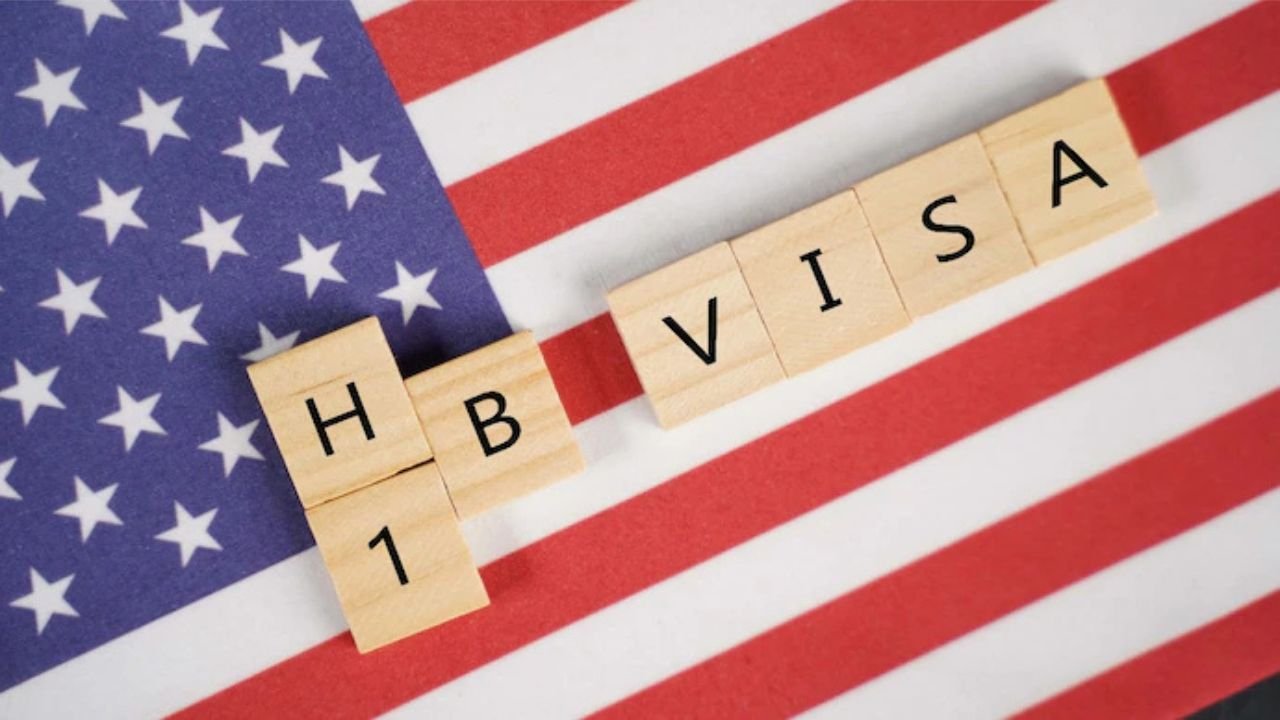

Washington: The United States is considering a major change to immigration rules that could make it more difficult for foreign professionals to remain in the country after losing their jobs. The Department of Homeland Security (DHS) has proposed eliminating the 60-day grace period currently available to certain nonimmigrant visa holders and their dependents after employment ends. The proposal is currently under review by the Office of Management and Budget (OMB). If approved, foreign workers could face significantly greater difficulty finding new employment or changing their immigration status after losing a job.
Under the existing system, eligible foreign workers can generally remain in the United States for up to 60 days after their employment ends. During this period, they can search for a new employer, seek a change in immigration status or pursue other lawful immigration options. The proposed change would remove this safeguard.
60-Day Provision Introduced in 2017
The provision allowing foreign workers limited time to remain in the United States after losing employment was introduced in 2017. It was intended to give workers facing sudden job loss an opportunity to find new employment and take steps to maintain or change their immigration status.
The provision applies to holders of several nonimmigrant visa categories, including E-1, E-2, E-3, H-1B, H-1B1, L-1, O-1 and TN visas, as well as their dependents. If the proposal takes effect, individuals covered by these categories could lose the existing 60-day protection following termination of employment.
Indian Professionals Could Face Major Impact
The proposed change is particularly significant for Indian professionals because Indian nationals account for a large share of H-1B workers in the United States. In fiscal year 2024, Indian nationals accounted for about 71% of approved H-1B applications.
As a result, eliminating the grace period could affect a large number of Indian technology professionals, engineers and other skilled workers employed in the United States. The change could become especially challenging for workers who need additional time to secure another job, transfer their visa sponsorship or complete immigration formalities.
The United States is also home to approximately 5.2 million people of Indian origin. However, not all members of this community hold H-1B visas. The direct impact of the proposal would be concentrated among workers and dependents covered by the affected visa categories.
Greater Uncertainty After Job Loss
The current rule protects foreign workers from having to leave the United States immediately after their employment ends. Within the 60-day period, they can potentially secure new employment and take the necessary steps to maintain their immigration status.
Removing the grace period could create significant uncertainty for workers who suddenly lose their jobs. Those unable to secure another employer or arrange an alternative lawful immigration status quickly could face pressure to leave the country.
The situation could be particularly difficult for workers who need time to complete recruitment processes, negotiate a new employment offer or complete immigration filings. The proposal reportedly also leaves room for relief through the US Citizenship and Immigration Services (USCIS) in certain circumstances.
Proposal Has Not Been Finalised
The proposal has not yet become a final rule. Its implementation will depend on the remaining review and regulatory process, including consideration by OMB. Changes to the proposal are also possible before any final decision is taken.
One of the key questions is how much time foreign workers would have to make arrangements to leave the United States if the 60-day grace period is eliminated. The precise arrangements and transition provisions are not yet clear.
If implemented, the proposal could make job changes and immigration-status management considerably more difficult for foreign professionals working for US companies. The potential impact on Indian workers is expected to be significant because they represent the largest beneficiary group under the H-1B programme.
About the author — Suvedita Nath is a science student with a growing interest in cybercrime and digital safety. She writes on online activity, cyber threats, and technology-driven risks. Her work focuses on clarity, accuracy, and public awareness.
Follow for daily updates on cybercrime, corporate fraud, DFIR, hacking, investigations, and digital forensics
