
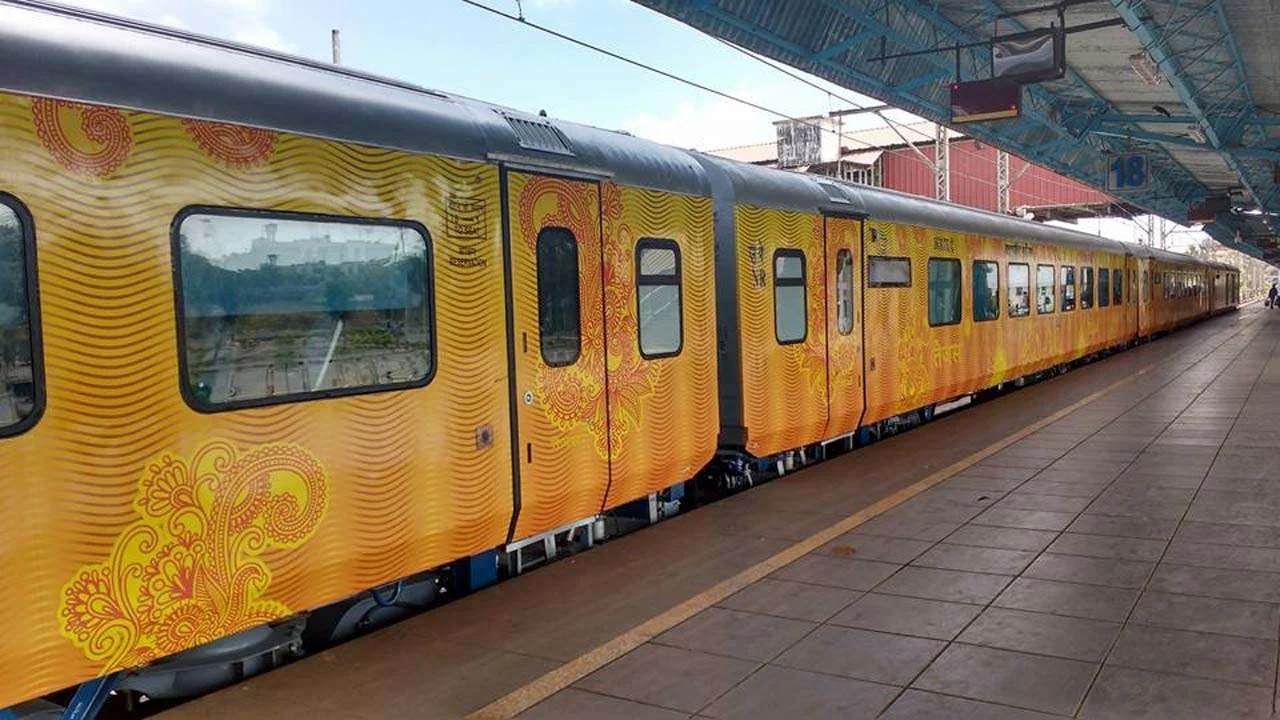

The Indian Railway Catering and Tourism Corporation has imposed a financial penalty of ₹1 lakh on the catering contractor serving the Ahmedabad-Mumbai Tejas Express, after a passenger reported finding a fly in the veg biryani served as part of an onboard combo meal. IRCTC has also initiated proceedings to terminate the contractor’s licence, alongside issuing a show-cause notice seeking an explanation for the alleged deficiencies in food preparation, hygiene, and packaging.
According to available information, the passenger discovered the fly while eating the meal and immediately informed the train staff, also raising broader concerns about the overall quality of food served during the journey. The train captain and onboard catering manager promptly met the passenger, apologised for the inconvenience, and offered a replacement meal, which the passenger declined. The complaint was nevertheless formally recorded and processed under standard passenger service protocols. As part of its response, the vendor has reportedly been instructed to ensure procurement of fresh raw materials with adequate shelf life, verify ingredient quality before use, and conduct regular checks on the air-tightness and condition of storage containers used for rice, pulses, atta, and spices.
Not an Isolated Incident, But the Latest in a Recurring Sequence
This is far from IRCTC’s first high-profile catering penalty this year, and the pattern behind these incidents has become increasingly difficult to characterise as isolated lapses. In March, Indian Railways imposed a combined penalty of ₹60 lakh, ₹10 lakh on IRCTC itself and ₹50 lakh on the onboard service provider, after passengers on the Patna-Tatanagar Vande Bharat Express discovered live worms in pre-packaged curd served with dinner, with the contractor’s agreement ordered terminated entirely. That incident followed a formal notice issued by the Food Safety and Standards Authority of India in May, after a viral video appeared to show contractual catering personnel washing utensils inside the toilet of the Duronto Express, a direct violation of hygiene requirements prescribed under Schedule 4 of the Food Safety and Standards Regulations, 2011.
Union Railway Minister Ashwini Vaishnaw has repeatedly reiterated that passenger comfort and food safety remain non-negotiable pillars of the modern railway system, particularly as the government continues positioning premium services like Vande Bharat and Tejas as flagship symbols of a “world-class” travel experience. Yet the recurrence of these incidents across multiple premium routes within a matter of months suggests the underlying quality control problem extends beyond any single contractor or train.
A Structural Problem Beneath the Individual Penalties
Investigative reporting into IRCTC’s catering ecosystem has pointed to a more systemic explanation for these repeated failures. IRCTC itself acknowledged in a letter to the Railway Ministry in November 2025 that contractors who overbid during the tendering process are compromising on quality and violating tender conditions in order to recoup costs, while flagging that unchecked contractor monopolies over premium routes had gone largely unaddressed by the Railway Board. On at least one route, reporting found a single contractor group had been awarded seven out of ten premium train catering contracts, a concentration that critics argue reduces competitive pressure to maintain quality standards, since a dominant contractor facing limited competition has correspondingly less commercial incentive to invest in consistent hygiene practices.
This structural critique gains weight when set against the scale of the operation involved: Indian Railways serves approximately 58 crore meals annually across its network, one of the largest onboard food service operations in the world, with premium trains carrying prepaid, mandatory catering that leaves passengers with no alternative but to accept whatever quality is delivered. Official data indicates the complaint rate stands at roughly 0.0008 per cent of total meals served, a figure the Railway Ministry has cited as evidence the vast majority of service delivery meets acceptable standards, though the previous three years also saw fines totalling ₹2.6 crore collected from various vendors, suggesting a persistent, if statistically small, stream of serious violations severe enough to warrant financial penalties.
What Comes Next for Passengers and Contractors
In response to the accumulating incidents, the Railway Ministry has begun rolling out more systemic reforms under its “Reform Express” initiative, including plans for QR-code based meal tracking that would detail the base kitchen, packing time, and expiry information for each meal, alongside live CCTV streaming from central base kitchens accessible to IRCTC headquarters for real-time hygiene monitoring, and stricter cold-chain protocols specifically for pre-packaged dairy and meat products.
IRCTC has reiterated its zero-tolerance policy toward hygiene violations, with officials emphasising that timely action and accountability remain essential to preventing similar incidents and preserving passenger confidence in railway catering. Whether these technological interventions, paired with continued financial penalties against individual contractors, can address the tender-system incentives that investigative reporting suggests are driving quality compromises at their source will likely determine whether incidents like the Tejas Express fly complaint remain a recurring headline or genuinely diminish as premium rail travel in India continues to expand.
Follow for daily updates on cybercrime, corporate fraud, DFIR, hacking, investigations, and digital forensics
