

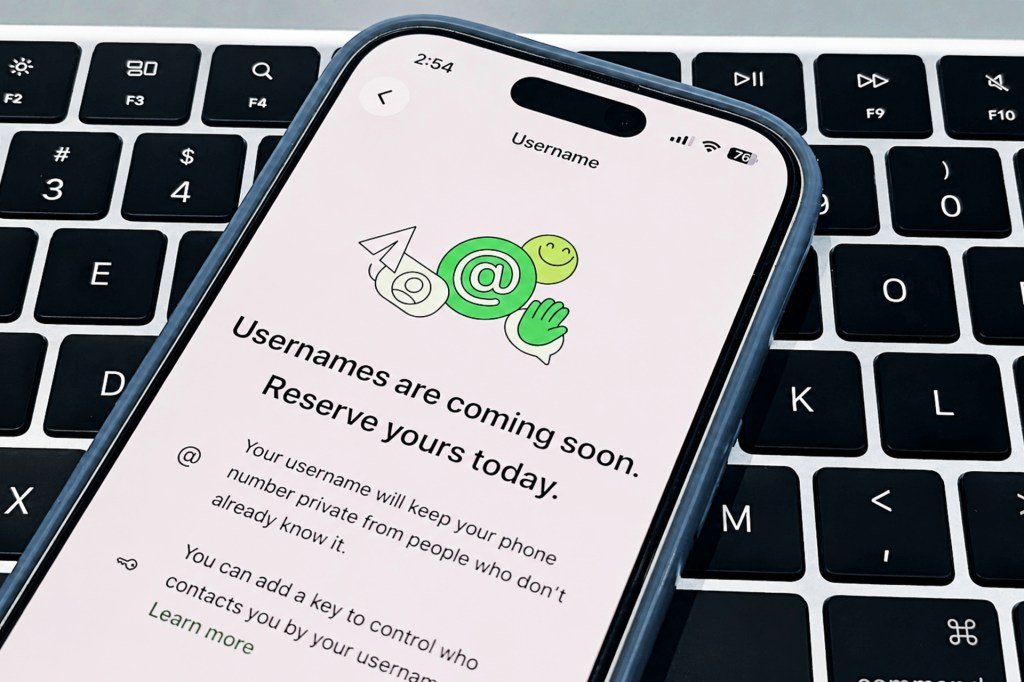
WhatsApp has defended its proposed username feature after receiving a notice from the Government of India, stating that it has built multiple layers of protection to reduce the risk of online scams, impersonation and other forms of abuse. The company clarified that the feature has not yet been launched and will be rolled out gradually later this year after further preparations.
The government’s notice was issued amid concerns that the proposed feature could potentially increase incidents of cyber fraud, phishing attacks, digital arrest scams and identity spoofing. Authorities have directed Meta not to introduce the feature until consultations with the government are completed to its satisfaction and have sought a detailed explanation within three days.
In its response, a WhatsApp spokesperson said the company has announced an option that will allow users to reserve a unique username for their accounts. However, the spokesperson emphasized that the feature is currently unavailable and will be introduced in phases.
Registration Begins for FutureCrime Summit 2026, India’s Largest Cybercrime Conference
According to WhatsApp, several safeguards have already been designed to prevent misuse. The company said usernames belonging to high-profile individuals, government entities, public authorities, celebrities and verified Meta accounts have been reserved so that only their legitimate owners can claim them. It also stated that usernames closely resembling well-known names have been restricted to reduce the possibility of impersonation.
The company further clarified that a valid mobile phone number will continue to remain mandatory for creating and using a WhatsApp account, even after the username feature becomes available. Usernames are intended to provide an optional way for people to communicate without publicly sharing their phone numbers.
WhatsApp said users will not be able to contact someone simply by searching broadly for usernames. Instead, another person will need to know the exact username before sending a message. The platform also said it will limit the number of new users an account can contact, block repeated attempts to guess usernames and use automated systems to identify and remove suspicious behaviour associated with impersonation, scams and abuse.
The messaging platform added that when a user receives a first message through a username, WhatsApp will display additional contextual information, including whether the sender is a new account, whether they are already saved as a contact, whether both users share common groups and whether the sender is located in another country. The company said these indicators are intended to help users make informed decisions before responding.
The Centre has expressed concern that allowing usernames similar to those of genuine individuals, government departments, financial institutions or public authorities could make it easier for cybercriminals to impersonate trusted entities and deceive victims. The notice warned that the feature could facilitate identity spoofing and increase cyber-enabled financial fraud if adequate safeguards are not in place.
Renowned cybercrime expert and former IPS officer Prof. Triveni Singh said that while username-based communication can improve user privacy by reducing the need to share phone numbers, strong identity verification, impersonation detection and continuous monitoring will be essential. He noted that cybercriminals frequently exploit trusted identities to conduct phishing and digital fraud, making proactive security controls critical before introducing such features at scale.
According to Meta, a WhatsApp username will be an optional and unique identifier beginning with the “@” symbol. Unlike display names, which are not required to be unique, each username will be unique and can be used by others to message or call a user without revealing their phone number. The government has stated that it will examine Meta’s response before deciding on any further regulatory action.
