

NEW DELHI — For more than 22 lakh medical aspirants across India, Sunday morning did not begin with final glances at biology textbooks, but with a rigid checklist of what not to wear. No heavy sleeves. No high heels. No ornamental jewelry. At 5,440 examination centers stretched across 551 cities in India and 14 cities abroad, entering an examination hall resembled passing through a high-security international border terminal.
This intense scrutiny is the new baseline for national testing operations. Following the systemic compromise and subsequent cancellation of the initial May 3 examination over widespread paper-leak allegations, testing authorities faced an existential crisis of public trust. The response was rolled out in full force on June 21, 2026: an unprecedented, multi-layered security infrastructure designed to eliminate even the slightest possibility of human or digital interference.
An Empire of Surveillance
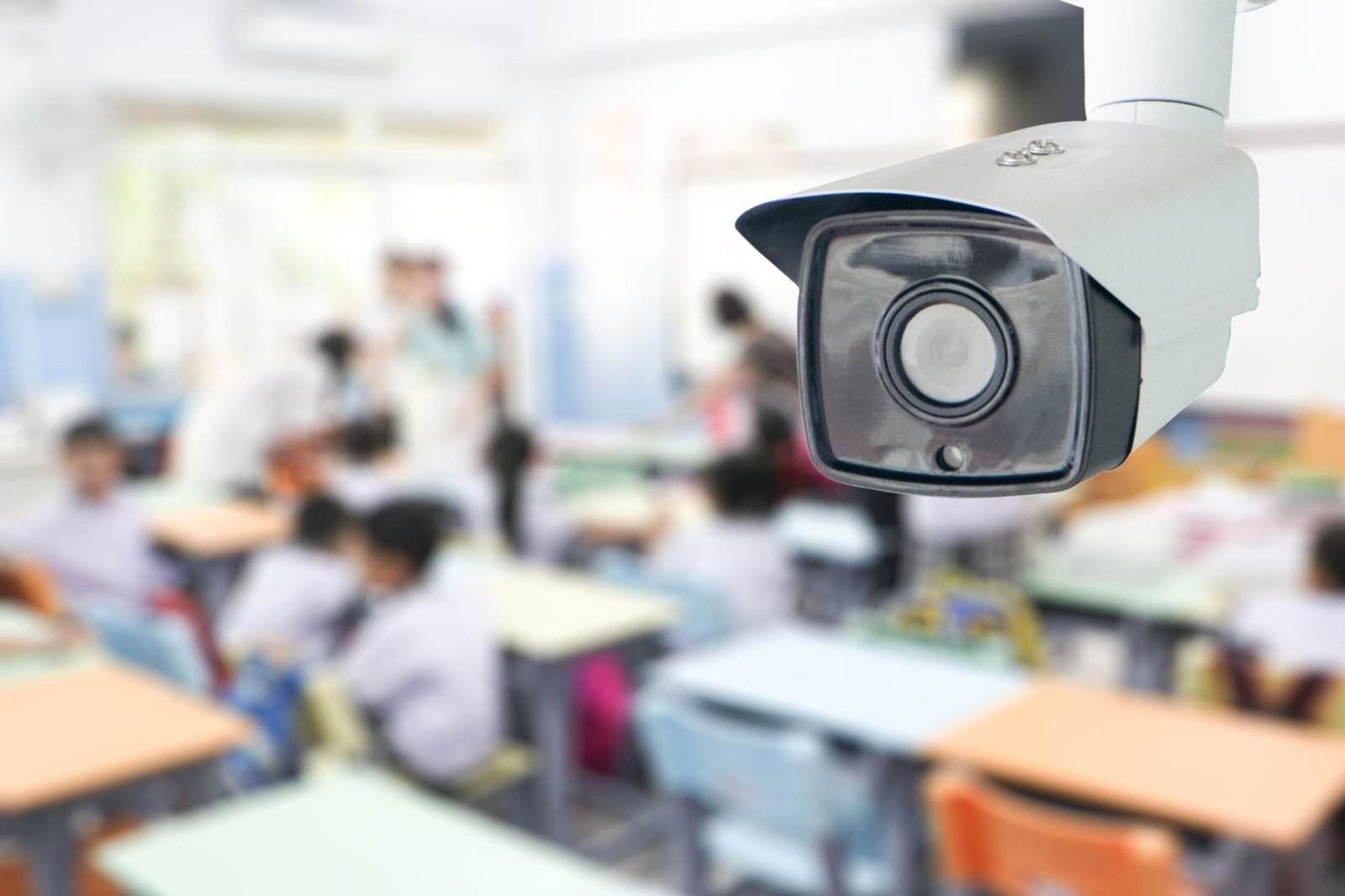
At the heart of this operational overhaul is a massive digital dragnet. More than 1.38 lakh CCTV cameras have been installed across 95,000 individual examination rooms nationwide. Rather than leaving the monitoring entirely to local invigilators, these live video feeds are being routed directly to centralized command centers monitored virtually at the national, state, and ministry levels.
To prevent human oversight from missing anomalies, artificial intelligence tools are being utilized to analyze the live feeds in real time, automatically flagging suspicious behavioral patterns or unauthorized movements.
Complementing this visual web is an equally strict layer of electronic warfare. To combat the threat of digital transmission and smart devices, more than 51,000 signal jammers were deployed across testing rooms. The physical checkpoints were reinforced by an army of over 38,000 frisking staff and 48,000 biometric verification personnel, utilizing Aadhaar-based authentication, fingerprint scanning, and facial recognition before any student was permitted to take their seat.
Securing the Supply Chain: From Airfields to Classrooms
The security measures began long before candidates arrived at their desks. Recognizing that the physical transport of confidential question papers was a critical vulnerability in previous attempts, authorities bypassed standard transit networks entirely.
The Indian Air Force was mobilized to secure the supply chain, conducting nearly 200 sorties using transport aircraft and Mi-17 helicopters to airlift sealed question paper packets directly to 18 designated distribution hubs across the country. From these heavily guarded hubs, the materials were moved to approximately 1,500 secure bank branches under armed police escort, where dedicated bank officials and state administrators supervised their storage until the morning of the exam.
To prevent the common digital vectors of misinformation and unauthorized paper circulation, cyber surveillance teams kept a strict watch on encrypted messaging networks. Special warning protocols were highlighted for platforms like Telegram, where retrospective file editing could be used to create sophisticated, fraudulent paper-leak hoaxes designed to induce panic among candidates.
The Human and Technical Cost of ‘Zero Error’
While the technological scale of the re-examination is a logistical marvel, it underscores the intense pressure weighing on both administrators and students. Candidates were granted an extra 15 minutes inside the booklet—extending the total test window to 3 hours and 15 minutes—specifically to accommodate the exhaustive biometric and identity verification steps without eating into their writing time. Redesigned question booklets and expanded rough-work spaces were also introduced to ease the cognitive load under such sterile, high-stress conditions.
For the students inside, the atmosphere was undeniably tense. For an exam that dictates the trajectory of hundreds of thousands of lives, the line between an environment of fair opportunity and one of intense intimidation has blurred. Yet, amid a summer of unprecedented educational scrutiny, authorities wagered that extreme visibility was the only remaining currency capable of buying back public confidence.
Follow for daily updates on cybercrime, corporate fraud, DFIR, hacking, investigations, and digital forensics
