
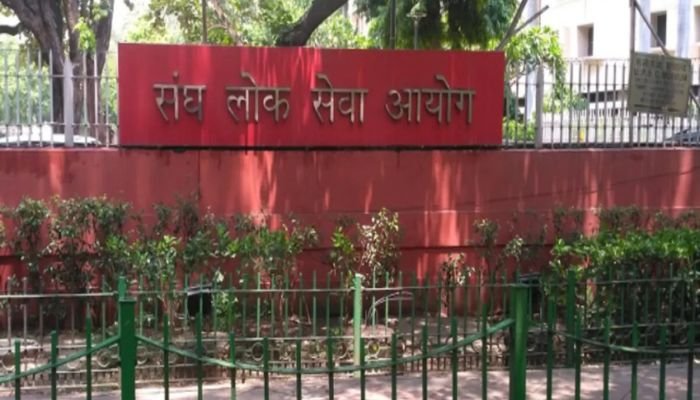
An investigative report has raised questions over the use of the Economically Weaker Sections quota in the 2025 Union Public Service Commission examination, after finding that several selected candidates came from relatively privileged educational and family backgrounds. The report said the EWS quota, meant for poor candidates from the general category, appeared to have been used by candidates with access to expensive coaching, private schooling and financially stable family backgrounds.
According to the report published by The Indian Express, 104 candidates selected through the EWS category were examined through coaching institute records, school and college details and social media profiles. The findings have renewed concerns over verification standards and the due diligence process used to assess eligibility under the quota.
FCRF’s Flagship Cyber Law Certification Returns With a New Four-Week Cohort
Coaching and Schooling Records Examined
The report found that 64.4 percent of the 104 selected candidates had attended expensive coaching institutes. At least 84 candidates had taken formal civil services coaching, and 67 of them had studied at well-known institutes in Delhi, where fees can go up to ₹2.65 lakh.
The investigation also found that 44.4 percent of the candidates had studied in private schools. Around 46 candidates selected through the EWS quota attended private schools where fees ranged from ₹45,000 to ₹1.5 lakh per year.
The findings indicate that a significant number of selected candidates had access to educational resources that are usually associated with financially better-off families. The report, however, presented these details as part of its scrutiny of eligibility concerns rather than as final legal findings against individual candidates.
Family Backgrounds Raise Questions
The report found that 36.9 percent of the candidates had parents who ran businesses. At least 28 candidates had parents who owned businesses ranging from shops to confectionery establishments.
Around 10 candidates had worked in the corporate sector, including multinational firms. About 9.6 percent of the selected candidates were reported to have corporate jobs.
The report also noted that around 14 candidates held graduate or postgraduate degrees from NITs and IITs. At least 27 candidates had attended Delhi University, while three had studied at Jawaharlal Nehru University.
Due Diligence Under Focus
Under the EWS quota, a candidate must have a family income of less than ₹8 lakh per year to be eligible. The report said the findings have raised serious questions about the lack of robust due diligence by the Union Public Service Commission.
An ex-Secretary of the Department of Personnel and Training, speaking to The Indian Express, said that if well-to-do individuals corner the benefit, the entire purpose of EWS reservation would be defeated.
The revelations have brought attention back to the verification process used for EWS certificates and the wider challenge of ensuring that reservation benefits reach the intended beneficiaries.
