
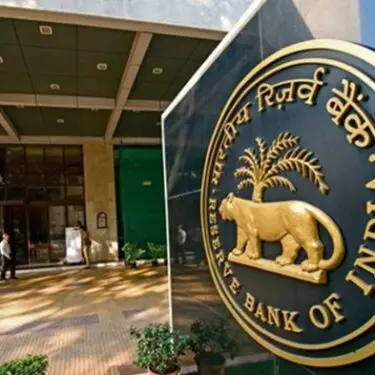
The Reserve Bank of India has cancelled the banking licence of Karnataka-based Shri Mahalakshmi Urban Co-operative Credit Bank, citing inadequate capital, weak earning prospects and failure to comply with key regulatory requirements. The bank, headquartered in Gokak, has been directed to stop all banking operations with immediate effect, while nearly 97.9 percent of its depositors are expected to receive their full eligible deposits through insurance protection.
According to RBI, the cooperative bank was no longer in a position to function as a viable banking institution. The regulator said allowing it to continue operations could have adversely affected depositors, as the bank did not have sufficient resources to repay them in full on its own.
FCRF’s Flagship Cyber Law Certification Returns With a New Four-Week Cohort
Bank Directed to Cease Operations
Following the cancellation of its licence, Shri Mahalakshmi Urban Co-operative Credit Bank can no longer accept fresh deposits, allow withdrawals, issue loans or carry out any banking business. The order came into effect immediately.
RBI said the bank had failed to meet certain provisions of the Banking Regulation Act, 1949. Its deteriorating financial condition raised concerns over its ability to protect depositors’ funds and maintain normal banking services.
The central bank has also requested the Registrar of Co-operative Societies in Karnataka to initiate the winding-up process and appoint a liquidator. The liquidation process will assess and settle the bank’s remaining assets and liabilities under applicable laws.
Depositor Insurance Cover Expected
RBI sought to reassure depositors by referring to the protection available under the Deposit Insurance and Credit Guarantee Corporation framework. The regulator said approximately 97.9 percent of depositors are expected to receive the full amount of their eligible deposits through deposit insurance.
Under the DICGC mechanism, eligible deposits are insured up to the prescribed limit. This is expected to provide relief to most small depositors affected by the bank’s closure.
The insurance cover is intended to protect public confidence in the banking system when a bank enters liquidation. Customers of the bank will now await the liquidation process and disbursement of insured deposits.
Cooperative Bank Oversight Tightened
The action reflects RBI’s continued scrutiny of financially weak cooperative banks. Such institutions often serve local communities, small businesses and rural customers, but some have faced stress due to weak governance, inadequate capital and rising financial risks.
Banking experts note that when a bank’s capital position falls below regulatory requirements and its earning capacity weakens, it may struggle to meet depositor obligations. In such circumstances, regulatory intervention is aimed at limiting risks to customers and preserving financial stability.
RBI has increased inspections, tightened compliance standards and taken corrective action against cooperative banks found violating prudential norms. The latest decision reinforces the central bank’s focus on depositor protection and financial discipline within the cooperative banking sector.
