

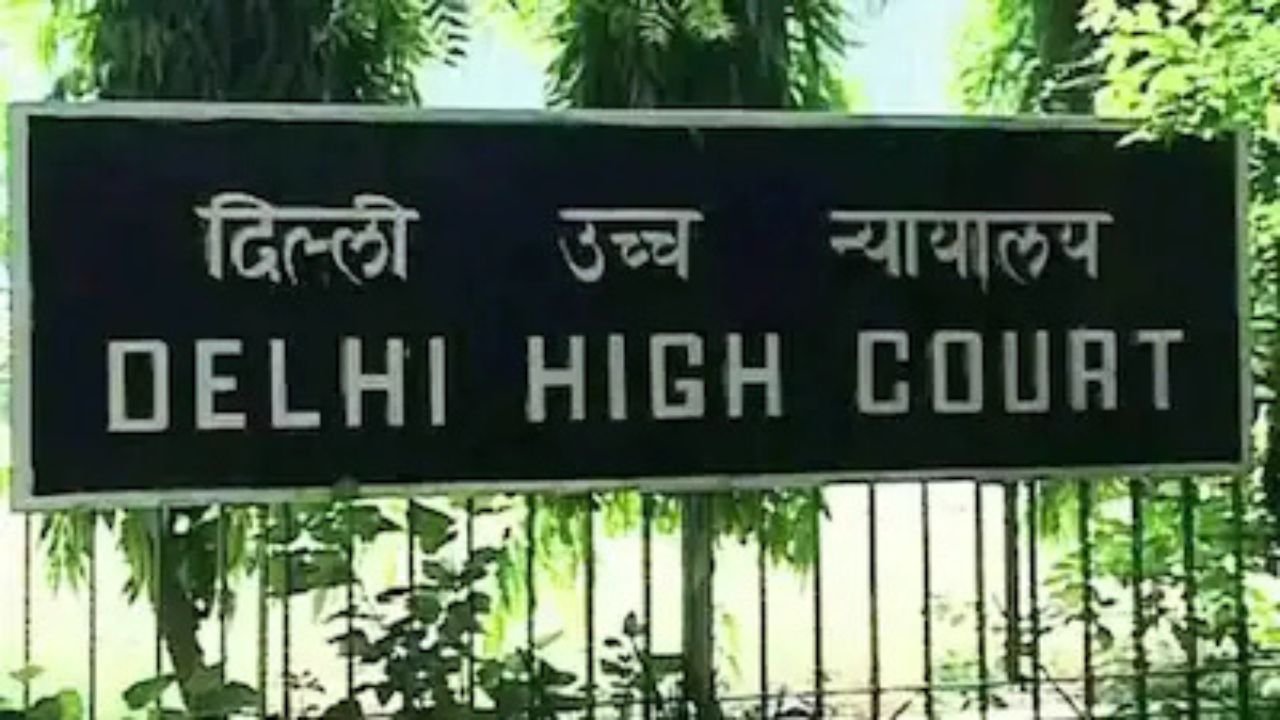

New Delhi | The Delhi High Court has raised strong concerns over the Centre’s decision to impose a temporary restriction on the messaging platform Telegram ahead of the NEET-UG retest, questioning whether the rights of nearly 150 million (15 crore) users can be curtailed due to alleged misuse by a limited group of individuals.
The observation came during the hearing of a petition challenging the government’s order restricting access to Telegram until June 22. The restriction was imposed in the backdrop of concerns related to paper leaks and the suspected misuse of digital platforms ahead of the NEET-UG retest scheduled for June 21.
FCRF’s Flagship Cyber Law Certification Returns With a New Four-Week Cohort
During the proceedings, the court underlined that while preventing misuse of digital platforms is necessary, any broad-based restriction must also account for citizens’ fundamental rights and the right to access online services. The bench directed the Centre to file a detailed response and asked both parties to submit written submissions by 7 pm.
Representing the Centre, Solicitor General Tushar Mehta argued that Telegram’s bot infrastructure enables large-scale dissemination of information, which can be misused for spreading bulk messages. He stated that a single account can generate multiple bots capable of operating with minimal human oversight, making the platform structurally different from other intermediaries and raising regulatory concerns.
The government further submitted that Telegram’s cloud-based architecture creates challenges for law enforcement agencies, as tracking user data and activities becomes difficult. It was also argued that in certain cases, the platform has been linked to illegal activities, including alleged terrorist-related communications, posing serious security concerns.
On the other hand, Telegram, represented by senior advocate Dhruv Mehta, challenged the restriction, terming it excessive and disproportionate. The platform argued that blocking access for all users due to alleged misuse by a few individuals cannot be considered a reasonable or legally sustainable measure.
The matter has gained urgency as the NEET-UG retest is scheduled for June 21. The National Testing Agency (NTA) had earlier cancelled the original examination held on May 3 following allegations of a paper leak, leading to the decision to conduct a fresh test. The Centre imposed the temporary restriction on Telegram to prevent any possibility of exam-related leaks or unauthorized information sharing.
During the hearing, the court also questioned whether blanket restrictions based on the technical features of a platform are justified, or whether a more targeted and proportionate approach should be adopted. After hearing arguments from both sides, the court reserved its order.
The Centre maintained that investigative agencies often face operational difficulties in monitoring encrypted and cloud-based platforms, which can be exploited for unlawful activities. Telegram, however, reiterated that it complies with applicable laws and has consistently cooperated with authorities in addressing illegal content when flagged.
Meanwhile, the investigation into the NEET-UG paper leak is being conducted by the Central Bureau of Investigation (CBI), while security agencies are working to ensure that the retest is conducted in a fair and secure environment.
The High Court’s remarks have reignited the debate over digital rights versus national security, highlighting the challenge of balancing individual freedoms with regulatory enforcement in the digital era. The court’s final decision is expected to have far-reaching implications for the regulation of digital communication platforms in India.
