

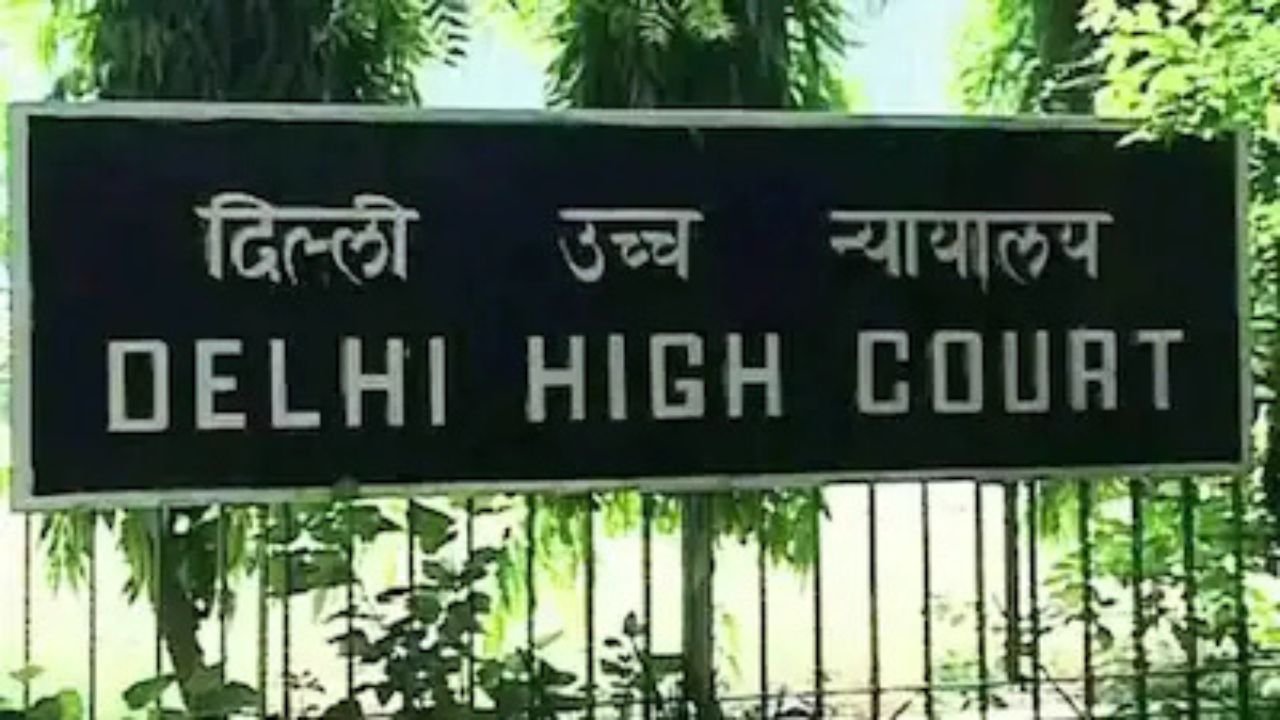

New Delhi | The Delhi High Court on Friday declined to immediately order the restoration of the X account of satirical online platform “Cockroach Janta Party” (CJP), instead directing a review committee constituted under the Information Technology Rules to examine the blocking order and place its decision on record by July 7.
The matter was heard by Justice Purushaindra Kumar Kaurav, who observed that if the review committee concludes that the blocking order was unjustified, it has the legal authority to direct the unblocking of the account. The court also permitted CJP founder Abhijeet Dipke to appear virtually before the committee during the proceedings.
FCRF’s Flagship Cyber Law Certification Returns With a New Four-Week Cohort
The High Court issued notices to the Central government and X, formerly known as Twitter, seeking their responses to Dipke’s petition challenging the blocking of the account. The next hearing in the matter has been scheduled for July 7.
Appearing for the petitioner, senior advocate Akhil Sibal argued that Cockroach Janta Party was fundamentally a satirical and political commentary platform exercising its right to free expression online. He contended that if certain posts were considered objectionable by authorities, only those specific posts should have been withheld instead of blocking the entire account.
Sibal also sought interim relief from the court, requesting immediate restoration of the account. He submitted that the petitioner had not yet been provided with a copy of the blocking order, making it difficult to effectively challenge the action or defend the platform’s content.
However, the court noted that the blocking order was not yet part of the official record before it and stated that it would consider the request for interim relief only after the Centre filed its response. Justice Kaurav remarked during the hearing that the legal framework governing social media blocking remains at a relatively early stage of development and that the court did not wish to pass any hurried directions at this stage.
The court further observed that the review committee should first examine all aspects of the dispute and place the relevant material on record before judicial intervention is considered further. It indicated that once the committee completes its review, the court may evaluate whether additional action or relief is necessary.
During arguments, the petitioner’s counsel referred to previous cases in which courts had directed authorities to block only specific offending social media posts rather than entire accounts. In response, the court orally remarked that the present case appeared to involve a “slight difference,” suggesting that the concern raised by authorities may relate not merely to individual posts but potentially to the broader nature of the platform’s activities.
Cockroach Janta Party has recently emerged as a widely discussed online movement, particularly among younger social media users. The platform gained traction after controversy erupted over remarks attributed to Chief Justice of India Surya Kant during a court hearing earlier this month. The remarks, interpreted by some sections on social media as criticism of unemployed youth, triggered widespread debate and online reactions.
Subsequently, the Chief Justice issued a clarification stating that his comments had been misrepresented and were actually directed at individuals entering the legal profession using fake or fraudulent degrees rather than at unemployed young people.
The original X account of Cockroach Janta Party was withheld in India on May 21. Soon afterward, supporters launched a new account titled “Cockroach is Back,” which rapidly attracted a large online following and became a symbol of digital dissent and youth frustration for many supporters.
The movement has also launched campaigns concerning issues related to the education sector, including alleged irregularities surrounding the NEET-UG 2026 examination and demands for the resignation of Union Education Minister Dharmendra Pradhan.
With the matter now before both the review committee and the Delhi High Court, attention remains focused on whether the blocking order will ultimately be upheld or revoked in the coming weeks.
