

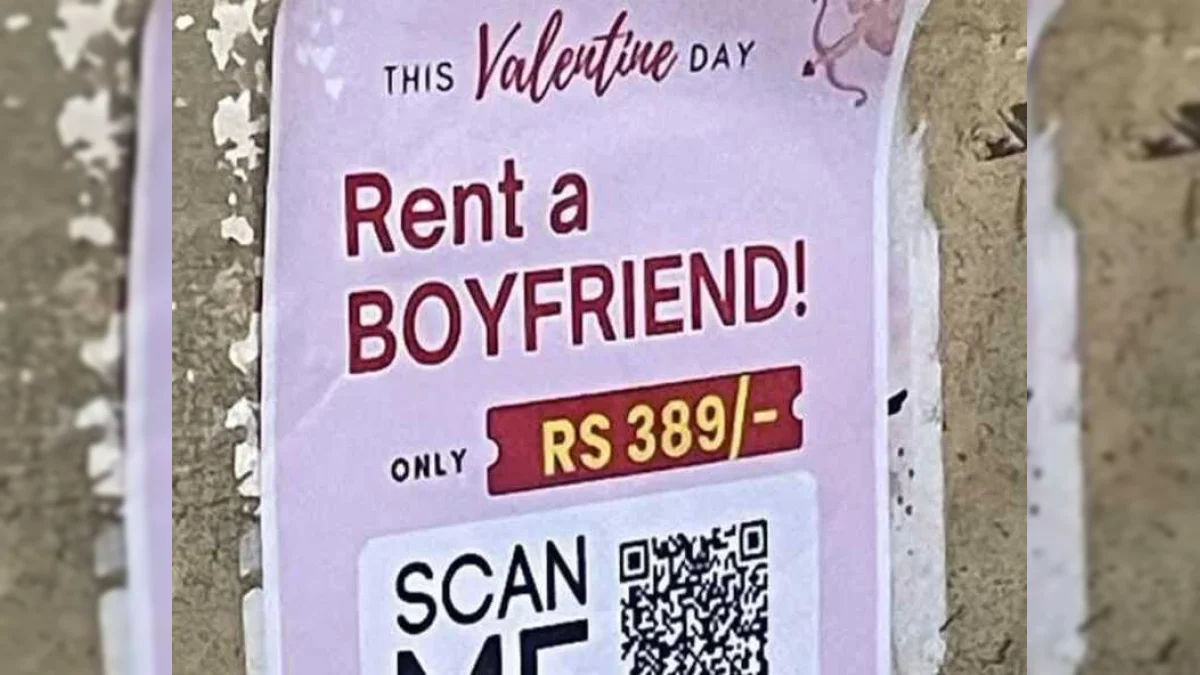
Hyderabad Police have warned women against a growing cyber fraud involving social media advertisements offering “Rent-a-Boyfriend” services. According to police, cybercriminals are allegedly creating attractive advertisements and fake profiles on Instagram, Telegram and Facebook to target women with offers for coffee dates, movie outings, shopping companionship and accompanying clients to weddings and other events. Victims are then allegedly shifted to private chats, where scammers demand money in the name of booking confirmation, advance payment or security deposits.
Police said some advertisements promote services for a few hundred rupees for short meetings, while full-day companionship packages are advertised for several thousand rupees. Scammers may also use offers such as “50% OFF”, “Special Offer” and limited-period discounts to make the services appear genuine and attractive.
AI-Generated Images Used to Create Fake Profiles
According to Hyderabad Police, cybercriminals may use photographs of good-looking men to create convincing online profiles. Some images could be generated using artificial intelligence, while others may be taken from the internet without the knowledge of the individuals shown.
Women responding to such advertisements may initially interact through comments or direct messages before being moved to private chats. The operators allegedly attempt to establish trust through conversation before demanding payment for booking confirmation, advance charges or security deposits.
QR Codes and Digital Wallets Used for Payments
Police said victims may be instructed to make payments through QR codes or digital wallets. Once the money is transferred, the accused may stop responding, block the victim or delete the profile altogether. In such cases, victims allegedly receive neither the promised service nor a refund.
Police have also cautioned that the risks associated with such scams may extend beyond financial losses. Phone numbers, photographs, addresses, social media details and other personal information shared during conversations could potentially be misused for harassment, blackmail or other cybercrimes.
Private Photographs Could Lead to Blackmail
Cybercriminals may attempt to obtain private photographs or sensitive information during conversations and later use them to threaten or harass victims. Hyderabad Police have advised women not to share private photographs, sensitive information or personal details with strangers online.
Police have also warned against meeting unknown individuals based solely on online conversations. Without proper verification of a person’s identity and the legitimacy of the service being offered, such meetings could create physical safety risks.
Police Warn Against Attractive Online Offers
Police have advised citizens not to immediately trust unusually cheap or highly attractive offers appearing on social media. The authenticity of any service should be independently verified before making a payment or sharing personal information.
Users should examine the history of social media accounts, available contact details and other indicators of authenticity, although these checks alone should not be treated as conclusive proof that a profile is genuine.
Renowned cybercrime expert and former IPS officer Prof. Triveni Singh said scams based on romance and dating typically begin with criminals attempting to establish trust and move conversations into private channels. He said the same trust can later be exploited to obtain money, private photographs or sensitive personal information.
Prof. Singh advised users not to consider an online offer genuine merely because the profile appears attractive or convincing. He stressed the need for independent verification before making advance payments or sharing personal information.
He further cautioned that repeated demands for payment, requests for secrecy or pressure to arrange an immediate personal meeting should be treated as potential warning signs of fraud.
Victims Advised to Report Fraud Immediately
Hyderabad Police’s Cyber Crime team is monitoring suspicious advertisements and has urged citizens to remain vigilant. Anyone who becomes a victim of such fraud should immediately contact the 1930 Cyber Crime Helpline and file a complaint through the National Cyber Crime Reporting Portal.
Prompt reporting can help investigators trace suspicious transactions and preserve digital evidence relevant to the case.
The emergence of “Rent-a-Boyfriend” advertisements highlights how cybercriminals are increasingly exploiting social media trends and personal needs rather than relying only on traditional banking and investment scams. Attractive profiles, heavy discounts and companionship offers should therefore be independently verified before users make payments, share private information or agree to meet strangers.
