

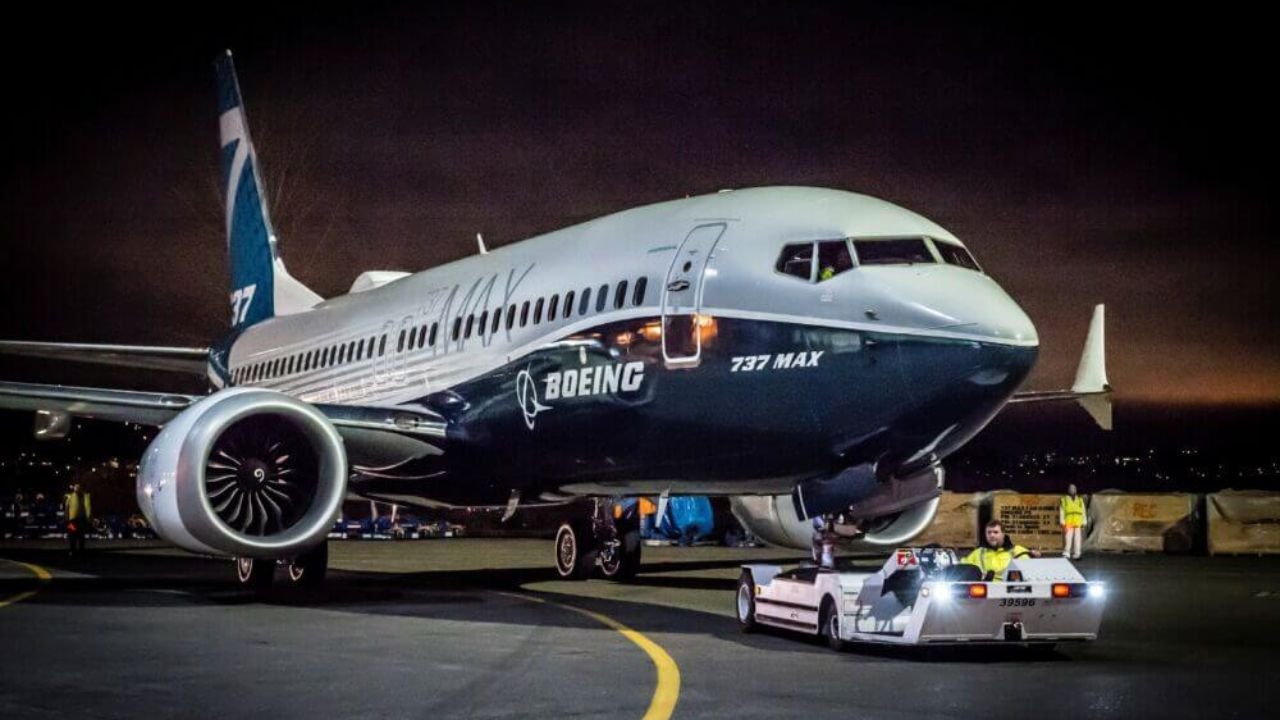

Seattle | In a major legal relief for global aerospace manufacturer Boeing, a federal jury in the United States has cleared the company of fraud allegations in a high-profile lawsuit linked to the controversial 737 MAX aircraft program. The case, filed by LOT Polish Airlines, involved a damages claim of nearly $153 million, estimated at more than ₹1,300 crore.
The verdict was delivered by a U.S. District Court jury in Seattle after a two-week trial that revisited one of the aviation sector’s most debated safety and regulatory controversies in recent history. The jury reportedly deliberated for nearly three hours before ruling in Boeing’s favour, concluding that the aircraft manufacturer was not liable for fraud in the civil case.
FCRF’s Flagship Cyber Law Certification Returns With a New Four-Week Cohort
The lawsuit centred around Boeing’s 737 MAX aircraft and allegations that the company intentionally failed to disclose critical information related to changes in the aircraft’s flight-control software system. LOT Polish Airlines had argued that the lack of transparency caused significant operational and financial losses after the global grounding of 737 MAX aircraft.
At the centre of the dispute was the Maneuvering Characteristics Augmentation System (MCAS), an automated flight-control feature that later came under intense scrutiny following two deadly air crashes involving 737 MAX aircraft. The crashes involving Lion Air in 2018 and Ethiopian Airlines in 2019 resulted in the deaths of hundreds of passengers and crew members, triggering one of the most severe crises in modern aviation history.
Following those accidents, aviation regulators across multiple countries grounded the 737 MAX fleet for nearly 20 months. The unprecedented ban disrupted airline operations worldwide and caused massive financial losses to carriers operating the aircraft. LOT Polish Airlines claimed that the prolonged grounding severely affected its commercial operations and led to major economic damage, for which it sought compensation from Boeing.
During the proceedings, the airline alleged that Boeing had concealed important technical details associated with the MCAS system while marketing and delivering the aircraft. According to the airline’s arguments, this lack of disclosure amounted to fraudulent conduct that directly contributed to operational disruptions and financial losses.
However, Boeing strongly denied the allegations throughout the trial. The company argued that the airline failed to establish evidence proving intentional fraud or deception. After reviewing the arguments and evidence presented by both sides, the jury sided with Boeing and rejected the fraud claims.
Following the verdict, Boeing stated that it was satisfied with the outcome and welcomed the jury’s decision. The ruling is being viewed as a significant legal and reputational victory for the aerospace giant, which has faced years of scrutiny, lawsuits and regulatory investigations connected to the 737 MAX program.
LOT Polish Airlines, meanwhile, acknowledged the court’s decision but indicated that it may still evaluate further legal options. The airline refrained from making detailed public comments on the proceedings immediately after the verdict.
The latest judgment comes years after Boeing entered into a deferred prosecution agreement with the U.S. Department of Justice in 2021 over allegations that it misled aviation regulators during the certification process of the 737 MAX aircraft. Under that agreement, Boeing agreed to pay approximately $2.5 billion, estimated at over ₹20,000 crore, to resolve criminal conspiracy allegations connected to the aircraft’s regulatory evaluation.
Despite the latest courtroom victory, aviation experts believe the shadow of the 737 MAX controversy continues to affect Boeing’s global image. The aircraft program remains one of the most closely watched subjects in the aviation industry, with ongoing discussions around aircraft safety, corporate accountability and regulatory oversight.
Industry observers say the ruling could provide Boeing with some stability amid continuing efforts to rebuild confidence among airlines, passengers and regulators worldwide. However, analysts also note that the long-term impact of the 737 MAX crisis on the company’s reputation and financial position is still unfolding across global aviation markets.
