

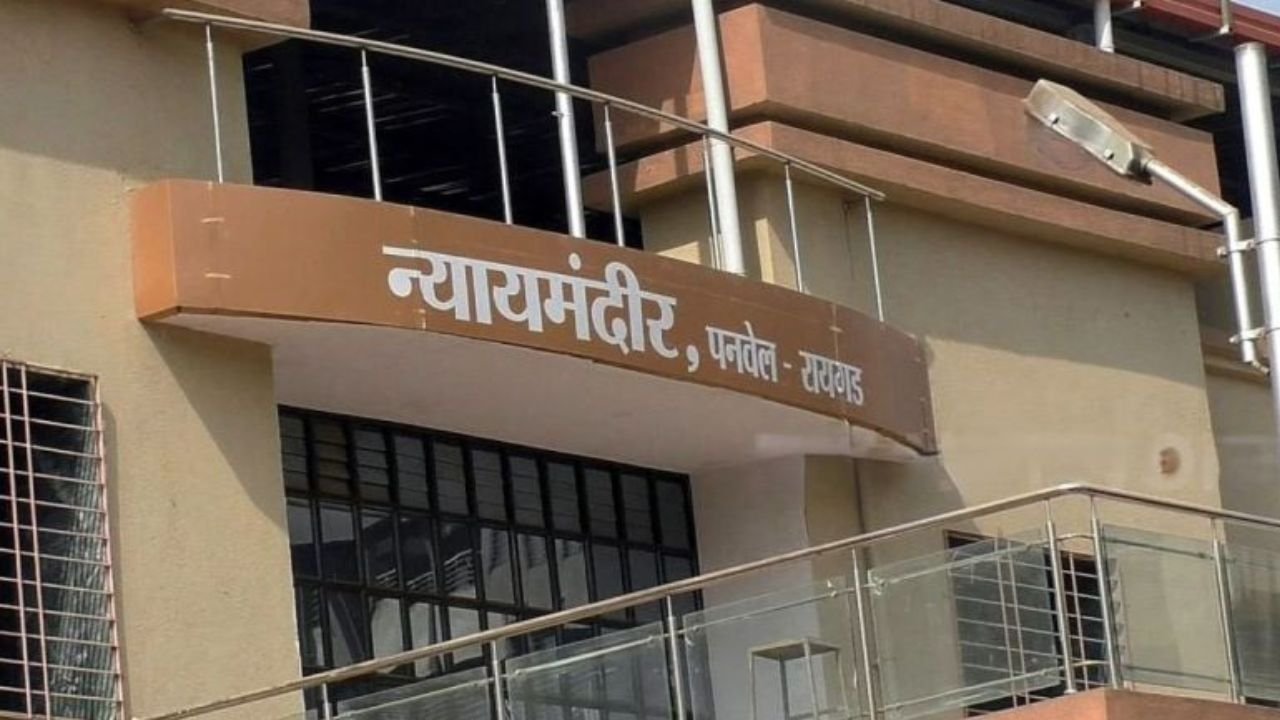

Mumbai | A court in Panvel, Maharashtra, has granted bail to importer Pareshkumar Dinsukhray Raithatha, who was arrested in connection with an alleged ₹150 crore import fraud involving the suspected misdeclaration of restricted consignments. Investigating agencies claim the case revolves around the alleged practice of declaring imported “green peas” and “melon seeds” as “pigeon peas” in order to evade import restrictions and regulatory scrutiny.
The case is being investigated by the Directorate of Revenue Intelligence (DRI), which arrested the accused on April 19. According to investigators, Raithatha is the proprietor of M/s RD International and is suspected of being part of a larger import network that allegedly manipulated trade documentation to bring restricted goods into the Indian market.
FCRF’s Flagship Cyber Law Certification Returns With a New Four-Week Cohort
Officials investigating the matter have alleged that the syndicate deliberately misdeclared the nature and category of imported goods to circumvent restrictions imposed under notifications issued by the Directorate General of Foreign Trade (DGFT) and provisions of the Foreign Trade (Development and Regulation) Act. Authorities claim that consignments containing “melon seeds” and “green peas” were allegedly described in shipping and customs documents as generic “peas” or “pigeon peas” to avoid licensing restrictions and regulatory controls.
According to sources familiar with the investigation, agencies suspect that multiple companies and Importer-Exporter Codes (IECs) were allegedly used to conceal the actual ownership and control of the imported consignments. Investigators informed the court that certain shipments were initially booked in the name of RD International before later being shifted to other firms, allegedly to obscure the movement and origin of the goods.
Opposing the bail application, the prosecution argued before the court that the investigation was still at a crucial stage and that several alleged members of the suspected syndicate were yet to be questioned. The prosecution further expressed concern that the accused, if released, could potentially influence witnesses or interfere with documentary evidence linked to the ongoing probe.
The defence, however, argued that the accused had cooperated with investigators since February and had appeared before DRI officials on multiple occasions. Counsel representing the importer submitted that the agency had already seized the relevant consignments and taken custody of all significant documentary and electronic evidence, including laptops and digital records recovered during searches conducted at the office and residence linked to the accused.
The defence also referred to certain “no objection” communications allegedly issued by the DRI in relation to some consignments. According to the defence submissions, those communications indicated that no concealed or misdeclared goods had been detected in the inspected containers. It was further argued that the accused had paid customs duties and had no previous criminal antecedents.
Additional Sessions Judge S.R. Ugale, while granting bail on May 15, reportedly observed that no incriminating documents had been recovered from the accused’s residence. The court further noted that the matter was largely based on documentary evidence, most of which was already in the custody of the investigating agency. On that basis, the court concluded that further custodial interrogation of the accused was not necessary at this stage of the investigation.
However, the court imposed several conditions while granting relief. The accused has been directed to appear regularly before the DRI office for a specified period, surrender his passport after release and refrain from influencing witnesses or tampering with evidence connected to the case.
In several major economic offence investigations, renowned cyber crime expert and former IPS officer Prof. Triveni Singh has previously warned that organised financial and trade-related frauds increasingly rely on layered documentation, multiple shell entities and sophisticated digital record management systems to conceal illegal transactions. According to him, financial trails and documentary analysis have become critical components in uncovering large-scale commercial fraud networks.
The investigation remains ongoing, and authorities are continuing to examine the alleged import network, financial transactions, customs documentation and the possible involvement of additional individuals and firms linked to the suspected fraud operation.
