

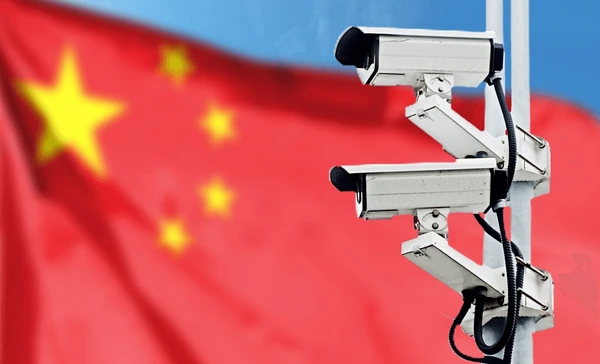
India is set to bar several Chinese surveillance equipment manufacturers from selling internet-connected CCTV cameras in the country starting April 1, 2026, following the implementation of new certification and security compliance rules. The move is part of a broader effort to strengthen digital security and reduce reliance on foreign surveillance technology in sensitive infrastructure.
The decision is expected to significantly reshape India’s CCTV and surveillance equipment market, with domestic manufacturers gaining market share as Chinese companies exit the internet-connected surveillance segment.
New Certification Rules To Take Effect From April 1
Under the new regulatory framework, internet-connected CCTV cameras and surveillance equipment must meet strict certification requirements before being sold in India. These rules will come into effect from April 1, 2026, and are expected to prevent Chinese manufacturers from continuing sales of connected surveillance devices in the Indian market.
FCRF Launches Premier CISO Certification Amid Rising Demand for Cybersecurity Leadership
Companies such as Hikvision, Dahua, and TP-Link will be affected by the new rules, which effectively bar them from selling internet-enabled CCTV products in India unless they meet the certification requirements.
The move is being seen as a major regulatory shift aimed at tightening oversight of surveillance technologies and ensuring compliance with security standards.
Security Concerns Behind The Move
The government’s decision is linked to growing concerns about vulnerabilities in surveillance infrastructure and potential security risks associated with imported surveillance equipment. Authorities have been strengthening digital security norms across telecom and CCTV systems, including requirements for hardware origin disclosure and vulnerability testing.
These measures are intended to prevent unauthorized remote access, espionage risks, and exploitation of surveillance infrastructure. The new certification framework is part of broader efforts to secure critical digital infrastructure and surveillance networks in the country.
Officials have emphasized the need for trusted and certified equipment, particularly for surveillance systems used in public infrastructure and government installations.
Indian Companies Gain Market Share
With Chinese manufacturers facing restrictions, Indian CCTV brands are gaining a larger share of the market. Domestic companies such as CP Plus and Qubo are expected to benefit from the regulatory changes as the market shifts toward locally compliant manufacturers.
Industry estimates suggest that domestic brands have already increased their market share significantly following the introduction of certification requirements, and the new rules are expected to accelerate this trend.
However, the shift is also expected to impact pricing, with CCTV camera costs rising due to reduced competition and increased compliance costs.
Market And Pricing Impact
The removal of major Chinese suppliers from the internet-connected CCTV segment is likely to affect supply chains and pricing across the surveillance equipment market. Industry experts expect price increases in CCTV cameras and related equipment due to the change in market dynamics and certification costs.
At the same time, the move is expected to encourage domestic manufacturing and strengthen India’s surveillance technology ecosystem by promoting local production and secure supply chains.
The regulatory shift marks a significant change in India’s electronics and surveillance equipment market and reflects growing emphasis on cybersecurity, data protection, and trusted technology infrastructure.
About the author – Ayesha Aayat is a law student and contributor covering cybercrime, online frauds, and digital safety concerns. Her writing aims to raise awareness about evolving cyber threats and legal responses.
