Stay ahead with our breaking stories and exclusive coverage prioritized on Google.
Add The420 on Google →India’s telecom regulator has expanded a special calling number series to e-commerce companies, hospitals, airlines and other consumer-facing businesses, giving customers another way to distinguish genuine service calls from fraudsters impersonating trusted organisations.
The Telecom Regulatory Authority of India (TRAI) announced the second phase of its 1601 numbering system on Friday, November 27, 2026. The initiative aims to reduce fraudulent calls in which criminals pose as delivery agents, customer-care executives or representatives of legitimate businesses.
Under the revised framework, eligible companies will be assigned numbers beginning with 1601 for service and transaction-related calls. Promotional and marketing calls cannot use these numbers.
Telecom operators have been given 180 days to bring eligible businesses onto the system, meaning the transition will happen gradually rather than immediately.
FCRF Launches Certified Chief Risk Officer (CRO) Program for India’s Risk Leaders
Delivery Apps, Hospitals And Airlines Brought Under New Framework
The latest expansion covers several industries that regularly contact customers about purchases, appointments and services.
These include retail chains, e-commerce platforms, hospitals, diagnostic laboratories, telecom operators, internet service providers, automobile dealerships and vehicle servicing companies.
Travel agencies, commercial airlines, food delivery platforms, ride-hailing services and lending service providers have also been included.
However, not every business in these sectors will automatically qualify.
TRAI has restricted eligibility to companies with an annual turnover of at least ₹500 crore in any one of the preceding three financial years.
A separate provision covers television distribution businesses, including direct-to-home operators, internet protocol television providers and multi-system operators.
These companies must have recorded at least 10 lakh subscribers during any month in the preceding 12 months.
Only companies registered in India under applicable laws can receive the designated numbers.
The conditions are intended to ensure that the series is allocated to verified businesses rather than being freely available to anyone seeking a telephone number.
How 1601 Numbers Could Help Customers Identify Fraudulent Calls
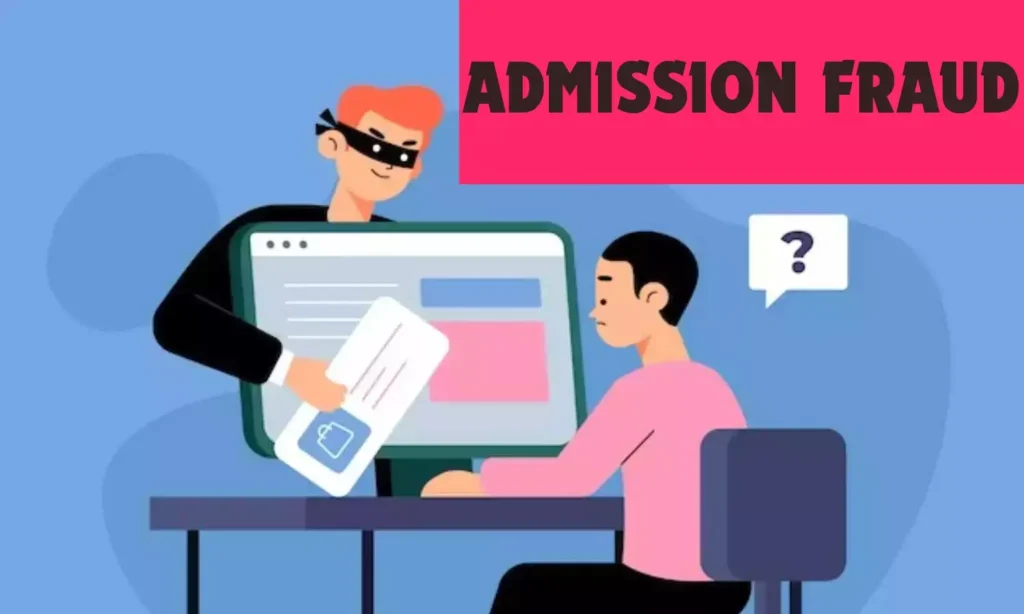
A common phone scam begins when someone receives a call from a person claiming to represent a familiar business.
The caller might say a delivery has failed, an airline booking needs confirmation or a customer account requires urgent verification.
Victims may then be persuaded to share one-time passwords, disclose banking details or open suspicious payment links.
The 1601 system aims to make genuine service communications easier to recognise.
Unlike ordinary mobile numbers, numbers from this series are reserved for verified entities meeting TRAI’s eligibility requirements.
For example, an eligible delivery company could use an assigned 1601 number to contact customers about genuine orders.
However, the number series is not a guarantee that every instruction received during a call is safe.
Criminals may still attempt caller-ID spoofing, a technique that makes a call appear to originate from a different number.
Customers should therefore continue verifying suspicious requests through official applications and websites.
The new system also does not mean every genuine business call from another number is fraudulent, particularly while companies are migrating to the designated series.
Why TRAI Introduced Separate 1600 And 1601 Numbers
The latest announcement builds on an earlier initiative to create more recognisable calling numbers.
TRAI previously introduced the 1600 series for service and transactional communications from banks, financial institutions, insurance companies and government organisations.
The objective was to help customers identify legitimate financial calls and reduce impersonation involving banking services.
On August 10, 2026, the regulator began implementing the separate 1601 series for utility and logistics companies.
The first phase covered electricity distributors, water utilities, city gas suppliers, LPG distributors, courier companies and other logistics providers.
Friday’s announcement extends that framework to a much wider range of consumer services.
The distinction between the two series is important.
The 1600 series serves eligible financial institutions and government organisations, while 1601 is intended for approved businesses in other sectors.
Both are designed for service and transactional communications rather than unsolicited promotional calls.
Telecom Operators Get 180 Days To Complete Migration
TRAI has directed telecom access providers to complete onboarding and migration of eligible companies within 180 days of the November 27 direction.
Operators must publicise the availability of the new numbers so qualifying businesses can apply for them.
They must also submit progress reports to the regulator every 15 days.
A final compliance report must be submitted within 15 days after the implementation period ends.
TRAI has indicated that additional sectors may be included after it reviews the programme’s progress.
The success of the system will depend on how quickly businesses adopt the numbers and whether consumers learn to recognise them.
For now, the expansion represents another regulatory attempt to make legitimate business calls easier to identify while reducing opportunities for telephone-based impersonation.
What this means for you:
A 1601 number can help you recognise calls from participating verified businesses, but never share OTPs, UPI PINs or banking passwords over the phone. If a caller demands urgent payment or personal information, disconnect and verify the request through the company’s official app.