
Stay ahead with our breaking stories and exclusive coverage prioritized on Google.
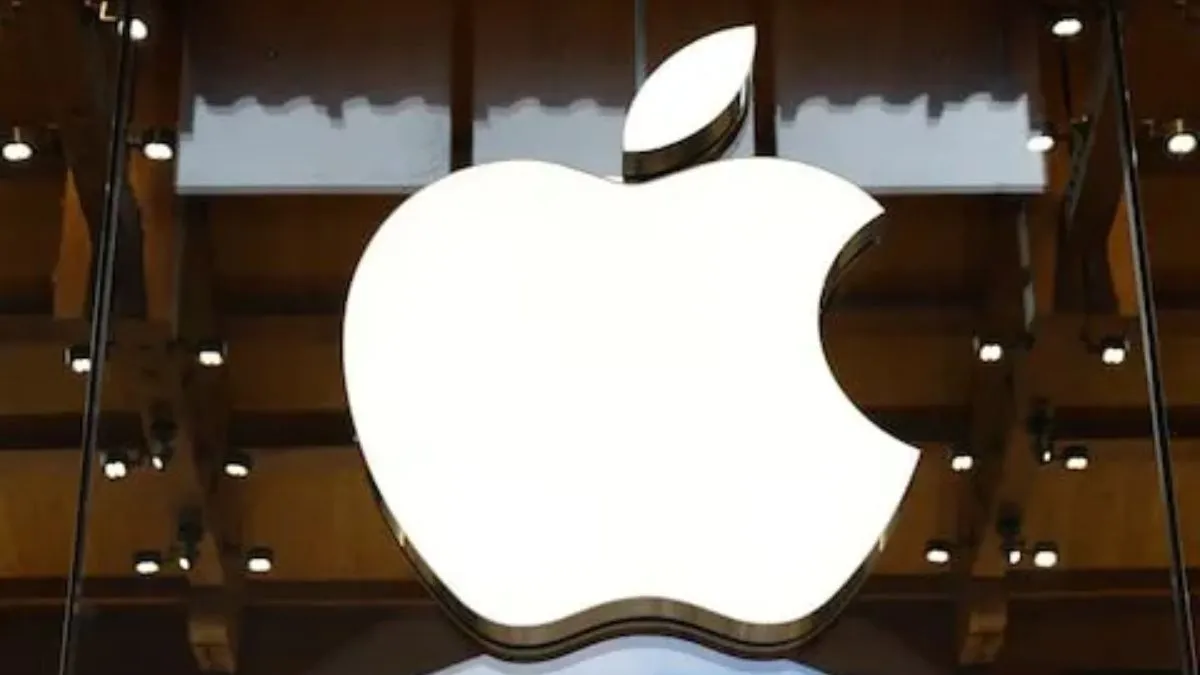
Add The420 on Google →Chile’s competition regulator has accused US technology major Apple of abusing its dominant position in the iPhone operating system market. On Friday, the regulator asked the country’s competition tribunal to impose a fine of nearly $80 million, or about Rs 700 crore, on the company and order several corrective measures. The watchdog alleged that since at least 2019, Apple has restricted competition in app distribution and in-app payments for digital products on iOS.
According to Chile’s National Economic Prosecutor’s Office (FNE), Apple forced iPhone users to rely solely on its official App Store for downloading applications. The regulator stated that the company blocked the ability to download third-party applications and alternative app stores through web browsers. As a result, both app developers and consumers have been left with limited options outside the App Store.
Fine Sought Based on Sales
The regulator noted that the proposed penalty equals 30 percent of the sales generated from the product categories and services linked to the alleged violations under investigation. Alongside the financial penalty, the competition tribunal has been urged to direct Apple to revise its existing policies.
The FNE alleged that Apple’s policies force app developers to depend entirely on rules set by the company when distributing their products and collecting payments for digital services. This structure makes it difficult for competing app distribution platforms and alternative payment systems to establish a presence in the market.
Demand to Allow Downloads Outside App Store
Chile’s competition authority wants Apple to allow iPhone users to access third-party apps and use alternative app stores. Furthermore, it has sought that developers be given the option to adopt other billing systems for in-app purchases.
The regulator has also demanded that applications be permitted to include payment buttons that direct users to external payment systems without unnecessary friction. Such measures would give developers the flexibility to use options outside Apple’s proprietary in-app payment framework.
Apple Cited Security and Privacy
Defending its restrictions, Apple argued that its App Store and payment rules are essential to maintain user security and privacy. According to the company, a controlled app distribution environment helps protect iPhone users from potentially harmful applications and online fraud.
However, Chile’s regulator rejected this justification. The FNE stated that these competition-limiting restrictions are not necessary to achieve security and privacy objectives and go far beyond what is required.
The final decision in the matter now rests with Chile’s competition tribunal, which must determine whether Apple used its strong position in the iOS market to stifle competition. If the tribunal accepts the regulator’s demands, Apple could face both a substantial fine and mandatory changes to its app distribution and payment policies.
The development comes at a time when major technology firms are facing growing regulatory scrutiny across global markets over their control of app stores, payment systems, and digital platforms. The outcome of the proceedings in Chile could also influence future policy debates surrounding app distribution and payment choices on the iPhone.